Public Ice Skating: What to Check Before You Go
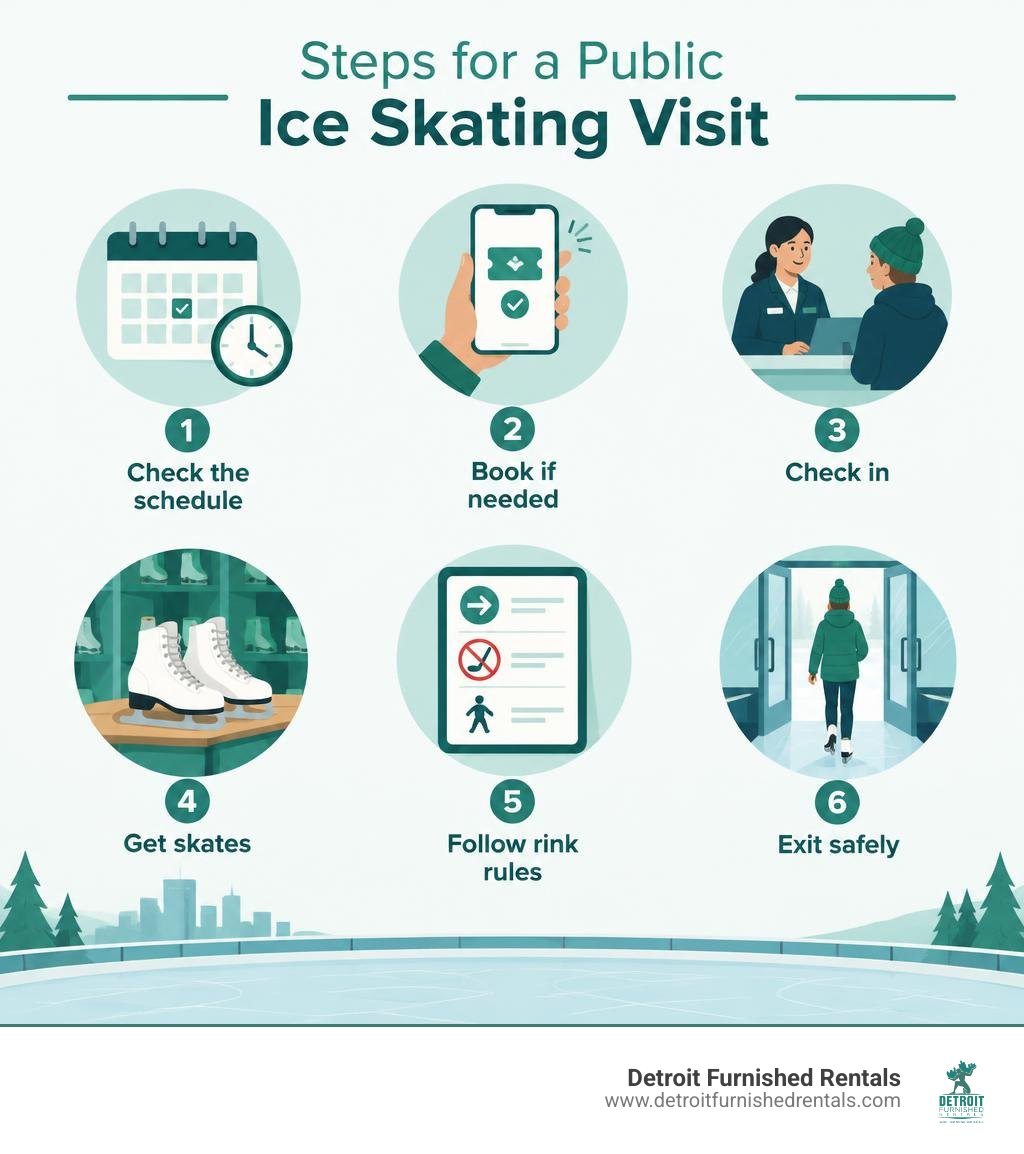
For public ice skating in Detroit, start with the rink’s current calendar. Choose a session, check the admission price and skate rental cost, then see whether you need to book ahead or can walk in. Arrive early enough to check in and find skates that fit. On the ice, follow the rink’s traffic flow and save hockey sticks, pucks, and advanced moves for sessions that allow them.
Prices, hours, beginner aids, and cancellation rules vary by rink. A quick check before you leave can save you a wasted trip, especially during busy winter weekends.
I’m Sean Swain, a Detroit host and travel writer with decades of experience in transportation and trip logistics. I use that practical approach to help visitors plan outings like public ice skating, starting with the details that matter most.
Essential public ice skating terms:
Understanding Public Ice Skating Costs and Session Schedules
Navigating the costs and operational hours of ice rinks is straightforward once you know how recreational ice time is structured. Standard open skating sessions are typically scheduled in 60-, 90-, or 120-minute time blocks. Admission pricing models generally fall into two categories: standalone admission where equipment rentals are separate, or bundled all-inclusive pricing where skate rentals are baked into your entry fee.
General admission fees across community and municipal ice arenas usually range between $4.00 and $18.00 per person depending on the session duration and facility amenities. Some civic facilities and municipal recreation departments even offer free open skating access during dedicated community hours, charging only a nominal $3.00 to $5.00 fee if you require rental skates.
If you plan to skate regularly throughout the season, look into multi-visit passes. Many arenas offer 10-visit punch passes priced between $35.00 and $54.00, which can lower your per-session cost by 15% to 30%. In contrast, non-skating spectators and parents watching from heated bleachers or off-ice viewing areas are almost always admitted completely free of charge.
| Facility Type | General Admission (Adult) | Youth / Senior Admission | Skate Rental Fee | Common Session Length |
|---|---|---|---|---|
| Municipal Community Rink | $4.00 – $7.00 | $0.00 – $6.00 | $3.00 – $5.00 | 60 – 90 Minutes |
| Collegiate / University Rink | $10.00 | $8.00 – $9.00 (w/ ID) | $4.00 – $6.00 | 60 – 90 Minutes |
| Large Sports Complex / Arena | $16.00 – $20.00 | $0.00 – $14.00 | $6.00 – $9.00 | 90 – 120 Minutes |
Operating hours can fluctuate daily because arenas balance open public skating with youth hockey practices, adult leagues, figure skating freestyle blocks, and scheduled ice maintenance. Before heading out the door, it is essential to check public ice skating schedules and hours on the venue’s live calendar to confirm start times and avoid unexpected blackout periods.
Skate Rentals, Sizing, and Balance Aids
Most ice arenas maintain extensive rental inventories of over 1,000 pairs of skates spanning from toddler size 6 up to adult size 15. Rental fees generally run between $3.00 and $9.00 per session.
When picking up rental gear, you will typically choose between two primary styles:
- Hockey Skates: Feature a curved, rockered blade with no front pick. They offer quick maneuverability, a rounded heel, and a stiff boot that encourages a forward knee bend.
- Figure Skates: Feature a longer, flatter blade that extends past the heel, ending in a set of jagged teeth at the front called a toe pick. The flatter blade provides stable tracking for beginners learning to balance upright.
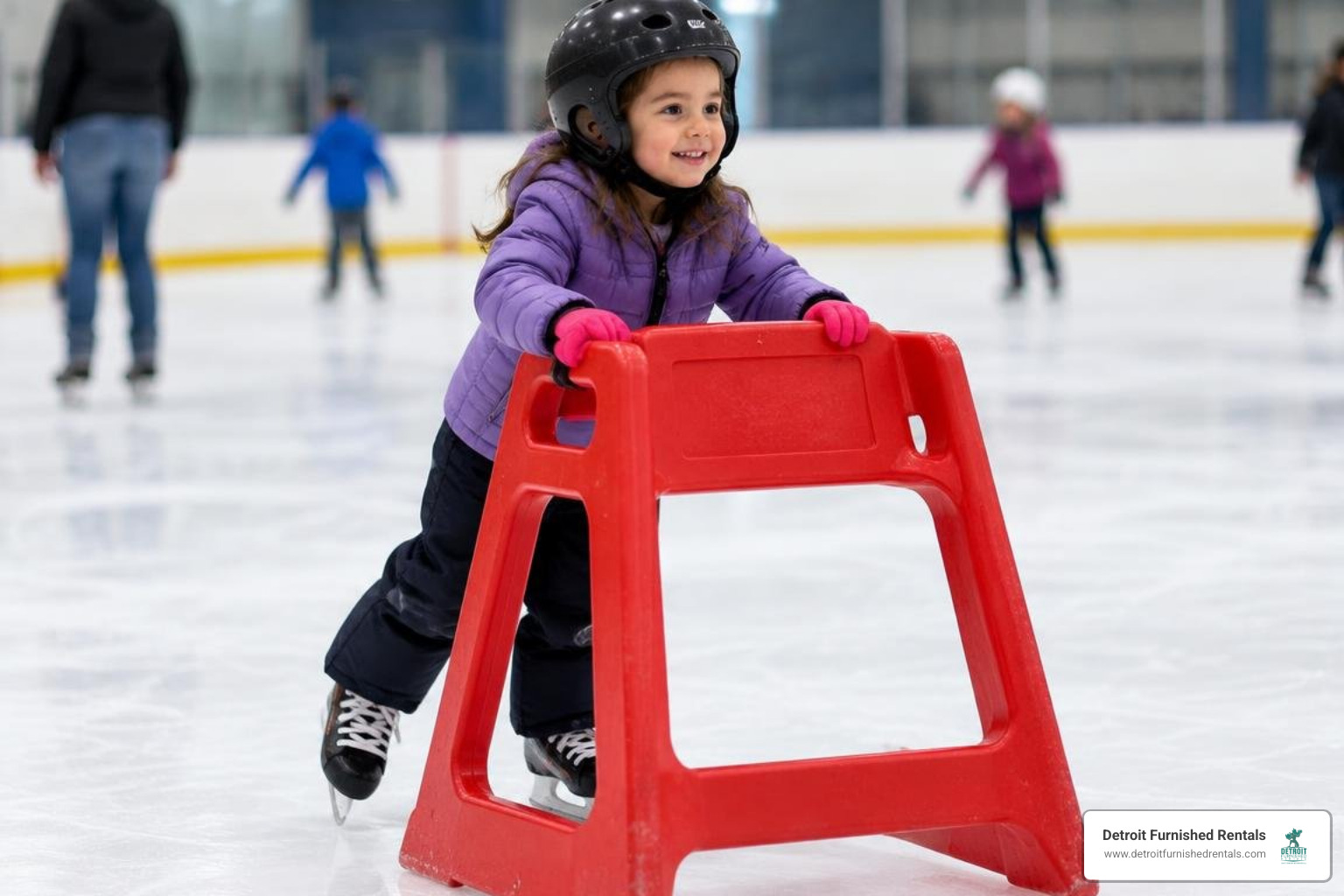
For young children or nervous first-timers, many facilities provide stability aids—often called skate mates, balance frames, or stacked waist-high plastic buckets. These aids can be rented for $9.00 to $18.00 or borrowed for free in designated beginner bucket zones. Commercial skate rental departments maintain hygiene standards by sanitizing rental boots with antibacterial sprays and running them through commercial dryer systems after every single use.
Specialized Demographic Sessions and Discounts
To provide comfortable ice time for every demographic, rinks often schedule specialized sessions tailored to specific skill levels and community groups:
- Homeschool Midday Skates: Discounted weekday morning sessions ($10.00 to $11.00 including rentals) coordinated with local school schedules to support physical education.
- Senior & Military Discounts: Reduced admission rates ($6.00 to $10.00) offered to active military personnel and adults aged 55 to 60 and older.
- College Student Discounts: Reduced $8.00 to $9.00 entry fees upon presenting a valid student identification card.
- Adult-Only (21+) Sessions: Evening ice time paired with food and beverage specials for a relaxed, child-free atmosphere.
- Tot Play Hours: Dedicated morning sessions where young children (ages 6 and under) explore snow piles on the ice with push toys and boots while parents join in street shoes.
- Sensory-Friendly Skates: Calming sessions featuring dimmed lighting, turned-off music, low skater capacities, available sensory bags, quiet breakout rooms, and strict rules against fast weaving or loud maneuvers.
- Tiered Group Rates: Discounted packages for groups of 10 or more (often $5.00 to $18.00 per person including rentals) when booked at least 72 hours to a week in advance.
How to Prepare for Your Rink Visit and Booking
Comfort on the ice begins with smart layering. Indoor ice arenas maintain temperatures between 40°F and 55°F (4°C to 13°C), while outdoor rinks are subject to the local winter weather. Dress in flexible, moisture-wicking thermal layers topped with a warm, water-resistant jacket and flexible athletic pants rather than stiff denim jeans.
Protect your extremities by wearing a warm knit beanie and water-resistant gloves or mittens—gloves protect your fingers not only from cold air but also from scraped ice if you happen to take a spill. Wear a single pair of tall, snug-fitting synthetic or wool socks. Avoid wearing multiple pairs of thick cotton socks, as doubling up creates friction blisters and restricts blood circulation in tightly laced skate boots.
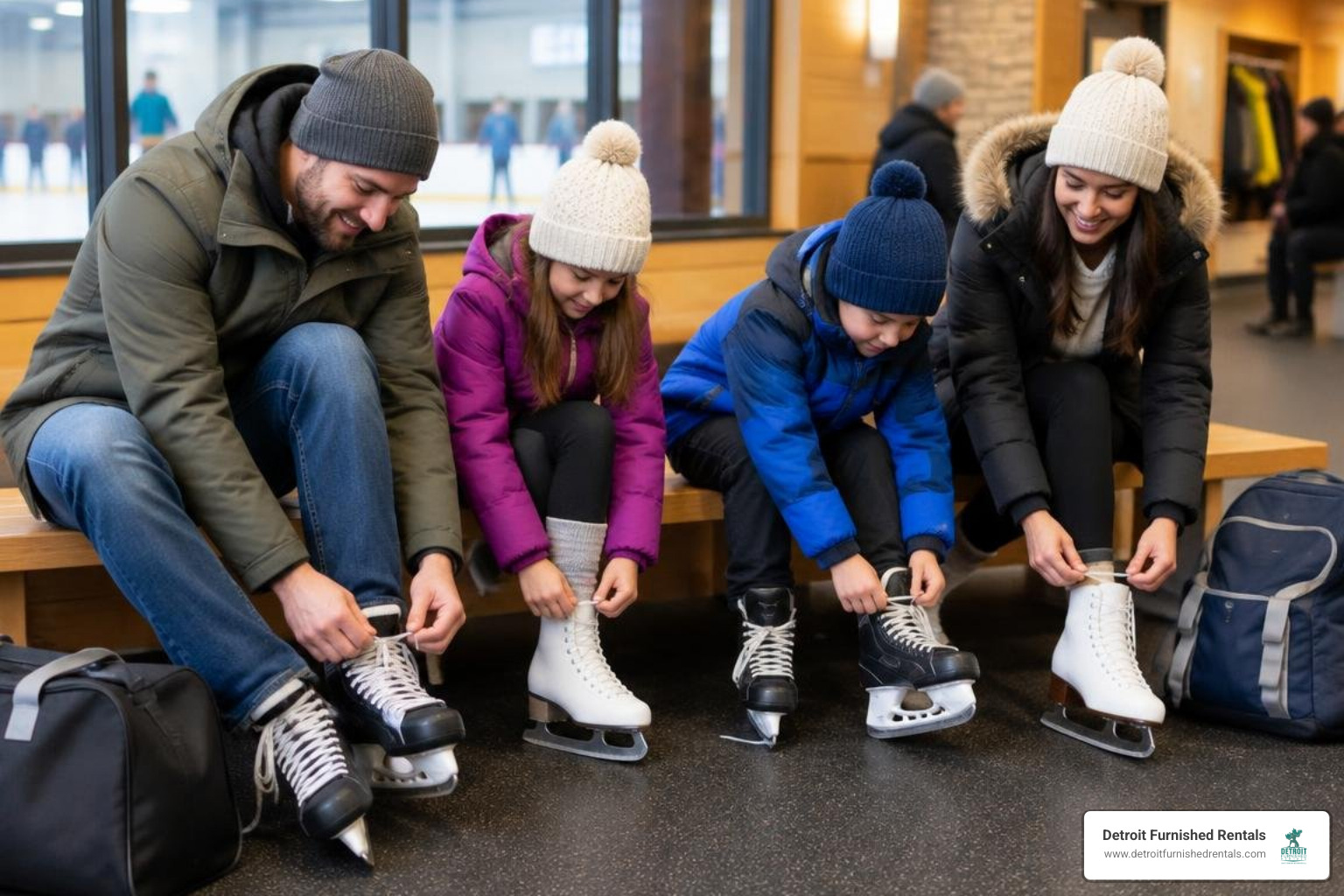
Helmets are strongly encouraged for recreational skaters of all ages, particularly children and beginners. A well-fitted multi-impact hockey helmet or standard certified bicycle helmet provides essential head protection on hard ice surfaces.
If you bring personal skates, protect the sharp steel blades with rubber blade guards while walking through off-ice areas, and store them in a dedicated skate bag. New or dull blades require regular sharpening to maintain grip; standard rink skate sharpening services cost between $5.00 and $17.00 and typically take 30 to 60 minutes, though drop-off turnaround can take up to 24 hours during busy weekends.
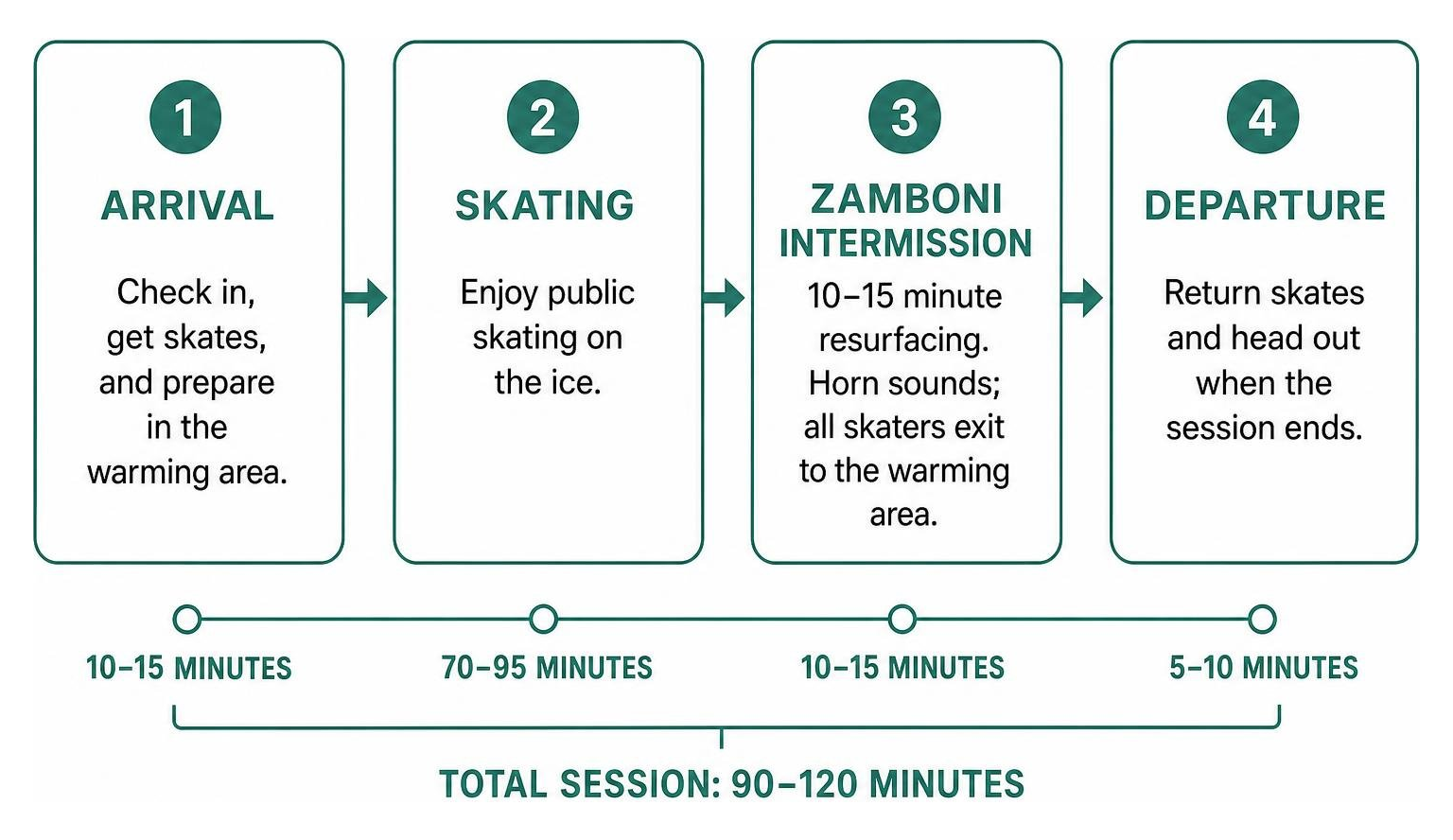
During 90- to 120-minute sessions, rinks take a mandatory 10- to 15-minute intermission for Zamboni resurfacing. When the resurfacing horn sounds, all skaters must immediately exit the ice surface into the warming area until the maintenance doors are securely latched.
Booking Public Ice Skating Sessions Online vs. Walk-Ins
While most arenas accept walk-in visitors at the box office or concession counter, booking your tickets online in advance is the safest approach during peak weekend afternoons and holiday winter breaks. Many rinks enforce strict safety caps (often 150 to 250 skaters per session) to prevent on-ice overcrowding. Online booking portals typically close one hour prior to session start times.
Modern sports facilities are increasingly moving toward cashless operations, accepting only credit cards, debit cards, or mobile tap-to-pay systems (some provide on-site reverse ATMs to convert cash to prepaid cards).
If your plans change, rinks typically require cancellation requests at least 24 to 72 hours before the scheduled ice time. While direct cash refunds are rare, most arenas readily issue account credits or rescheduling vouchers so you can book a future open session. For statewide directory assistance and facility locators, you can consult state public ice skating rink access directories when planning seasonal outings.
On-Ice Etiquette, Rink Safety, and Beginner Guidelines
To keep public skating enjoyable for everyone, ice arenas enforce standard traffic rules. Skaters move continuously in a single direction around the perimeter of the rink—almost always in a counter-clockwise flow of traffic.
Follow these basic guidelines to ensure smooth skating:
- Maintain Traffic Flow: Never skate against the directional flow of traffic or cut across the middle of the ice sheet at high speed.
- Two-Person Limit: Skate side-by-side with a maximum of two people to prevent blocking pathways for other skaters.
- Keep Moving: Never congregate, loiter, or stand still along the outer boards or near the entry gates; if you need to adjust your laces or rest, step completely off the ice into the rubber-matted seating area.
- Center Ice Awareness: Center ice is traditionally reserved for beginners practicing basic balance or advanced skaters executing controlled stationary drills.
- Safe Fall Recovery: If you feel yourself falling, try to bend your knees and sit down sideways rather than falling backward onto your wrists. When standing back up, get onto your hands and knees, bring one foot flat onto the ice between your hands, push down on that knee, and rise smoothly into an upright stance.
Essential Safety Rules for Public Ice Skating
Rink staff and on-ice skate guards enforce safety rules to ensure a fun, hazard-free environment for families and casual skaters alike:
- No Hockey Sticks or Pucks: Hockey sticks, pucks, and balls are strictly prohibited during open public skating to prevent high-speed collision hazards.
- Restricted Maneuvers: Advanced figure skating moves—such as double jumps, camel spins, and flying spins—are prohibited during public sessions and reserved for dedicated freestyle ice time.
- Cell Phone Restrictions: Using mobile phones, wearing headphones, or carrying cameras while skating on the ice surface is strictly banned; step into off-ice seating areas before taking calls or photos.
- No Carrying Children or Bags: Carrying infants, toddlers, backpacks, or loose items while skating is strictly forbidden due to severe fall risks.
- Mandatory Skates on Ice: Every individual stepping past the boards onto the ice sheet must pay admission and wear proper ice skates; walking onto the ice in street shoes, boots, or sneakers is prohibited.
- Minor Supervision: Most arenas require all skaters and spectators under 18 years of age to have an adult present inside the facility.
Special Themed Skates and Holiday Events
Public ice sessions often transform into community celebrations throughout the winter months. Many facilities host popular Glow Skate Nights, where overhead arena lights are lowered and replaced with colorful laser systems and high-energy music tracks.
Other seasonal favorites include:
- Holiday Ugly Sweater Skates: Festively themed winter sessions where skaters dress in eccentric holiday attire.
- Live-Broadcast Hockey Skates: Open skating sessions held during live away-game broadcasts on arena jumbotrons.
- Post-Game Community Skates: Exclusive open skate sessions hosted directly on the main arena ice following professional or collegiate hockey games.
- Birthday Party Packages: Bundled offerings that include reserved party room access, public session admission tickets, skate rentals, pizza, and beverage service.
Frequently Asked Questions About Public Ice Skating
Are hockey sticks and pucks allowed during open public skate?
No. Hockey sticks, pucks, and scrimmages are strictly prohibited during public ice sessions to protect casual and beginner skaters. Players looking to practice stickhandling and shooting must attend dedicated “Stick-and-Puck” or “Open Hockey” drop-in sessions, which require full protective hockey gear including helmets and gloves.
Can parents walk onto the ice in street shoes to help their children?
No. Rink regulations require all participants on the ice surface to wear ice skates. Street shoes carry dirt and gravel that damage the ice sheet, and rubber soles provide virtually no traction on slick ice, creating a severe slipping hazard. Parents who do not wish to skate can supervise from the boards, rent stability aids for their children, or look for specialized toddler play hours that permit street footwear.
What happens if I need to cancel or transfer my pre-booked skating ticket?
Refund and cancellation policies vary by facility, but most rinks do not offer cash refunds for missed sessions. If you contact guest services at least 24 to 72 hours before your scheduled session, rinks will typically transfer your booking to an alternate date or issue a facility account credit voucher for future public ice sessions.
Conclusion
Stepping onto the ice for the first time is an exciting milestone that combines winter fitness with community fun. By choosing the right session, wearing warm thermal layers, securing comfortable rental skates, and following basic on-ice safety etiquette, beginners can navigate any arena with confidence.
If you are planning an extended stay or winter trip to explore Detroit’s vibrant seasonal attractions and recreation spots, our team at Detroit Furnished Rentals provides comfortable, fully furnished, and centrally located accommodations across the city. For a complete look at local seasonal rinks, equipment shops, and neighborhood ice programs across the region, be sure to explore the ultimate guide to ice skating in Detroit before heading out on the ice.