Introduction
Few stories in American sports capture the dynamic evolution of success, community engagement, and cultural identity quite like that of the Detroit Pistons. From their humble origins in 1937 as the Fort Wayne Zollner Pistons—a manufacturer-backed team that turned professional and won back-to-back National Basketball League championships—to their pivotal relocation in 1957 and emergence as a Detroit sports institution, the franchise’s legacy is both rich and compelling Wikipedia.
Over the decades, the team has experienced multiple reinventions. During the late 1980s and early 1990s, the hard-nosed “Bad Boys” era produced back-to-back NBA championships in 1989 and 1990. More recently, the 2024–25 season marked a dramatic turnaround: the team tripled its win total from the previous year, secured its first winning record since 2016, and returned to the playoffs, ending a long drought Wikipedia.
In addition to on-court accomplishments, the Pistons have seen significant growth in fan engagement. Average home attendance rose from about 18,159 in the 2023–24 season to approximately 19,071 in 2024–25, moving the team from 20th to 9th in NBA rankings—an impressive indicator of renewed excitement among supporters Axios.
This article will explore key areas: how the Pistons’ resurgence is shaping their future; strategies for sustaining fan momentum; branding and marketing insights derived from their rich history; and actionable recommendations for stakeholders aiming to drive continued growth. By examining real-world examples—from attendance trends to championship legacies—we’ll uncover practical lessons on building a resilient, passionate sports franchise.
Whether you’re a sports executive, marketing professional, or dedicated fan, this introduction sets the stage for a nuanced, data-informed exploration of what makes the Pistons’ story both unique and instructive. As the curtain rises on their latest chapter, understanding the road they’ve traveled provides essential perspective for appreciating what’s next.
The Evolution of the Detroit Pistons
The Detroit Pistons’ journey through the NBA has been a testament to resilience and adaptability. Founded in 1941, the team initially struggled, but it wasn’t long before they established themselves as a force to be reckoned with. The Pistons’ growth is exemplified by their adaptability to changing game styles and strategies, which has been crucial in their ability to remain competitive.
During the late 1980s, the “Bad Boys” era marked a significant turning point for the franchise. Under the vision of head coach Chuck Daly, the Pistons crafted a reputation for tough defense and physical play. This approach culminated in back-to-back NBA championships in 1989 and 1990, setting a benchmark for determination and grit. The team’s success during this period was not just due to individual talent but also strong teamwork and strategic planning, a hallmark that remains pivotal today.
Strategic Transformations
As the game evolved, so too did the Pistons’ strategy. In the 2000s, they adopted a different style, focusing on balanced team play and robust defense rather than relying on a single superstar. The team’s 2004 championship win emphasized this approach, as different players stepped up at critical moments. According to an analysis by NBA History, the 2004 Pistons were noted for their resilience and ability to shut down even the most formidable opponents.
Fast forward to today’s era, and the Pistons continue to evolve. They have focused on nurturing young talent and smart drafting strategies to build a team that can compete in a highly competitive league. Their renewed investment in player development and analytics indicates a forward-thinking approach. By incorporating data-driven decisions, the Detroit Pistons aim to reclaim their status as an elite team in the league, underscoring the importance of evolution in sports management.
Community and Culture
A significant aspect of the Pistons’ narrative is their connection with the community. The team has consistently worked to foster a strong relationship with their fans and the city of Detroit. Community initiatives and collaborations have been a critical component of their strategy, helping to boost local support and engagement. These efforts not only enhance the team’s image but also create a loyal fanbase that drives enthusiasm and support during challenging seasons.
Understanding the Detroit Pistons’ ability to adapt strategically and culturally provides crucial insights into their sustained presence in the NBA. As they continue to grow, learning from past successes and challenges remains essential for their future endeavors.
The Rise of the Bad Boys Era
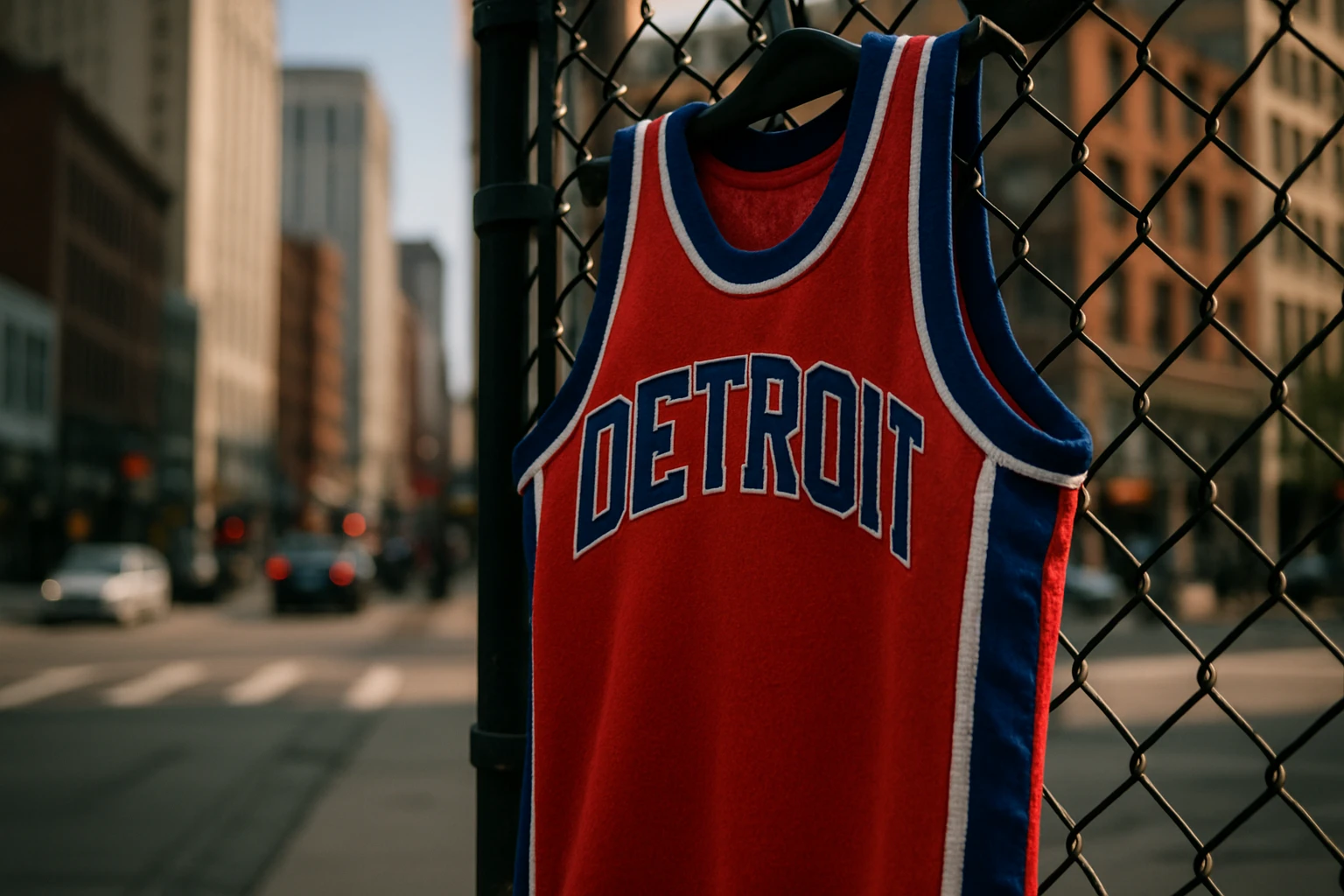
During the late 1980s and early 1990s, the Detroit Pistons garnered national attention for their unique brand of basketball, famously dubbed the “Bad Boys.” This era was defined by a relentless defense, physical play, and tenacious teamwork under the leadership of coach Chuck Daly. Key players such as Isiah Thomas, Joe Dumars, and Bill Laimbeer became household names. The Pistons’ strategy was not just about winning games; it was about creating an identity that resonated with the grit and resilience of Detroit itself.
Their success culminated in back-to-back NBA championships in 1989 and 1990. The Pistons employed a physical style that often frustrated opponents, but it also proved effective in dethroning more glamorous teams of the time, such as the Michael Jordan-led Chicago Bulls. The “Jordan Rules,” a defensive strategy devised specifically to counteract the Bulls’ star player, exemplified their tactical innovation. Such strategies demonstrated how the Pistons translated defensive prowess into championship wins, displaying a commitment to teamwork and perseverance.
Impact on the Community
The Bad Boys era had a profound impact on Detroit’s community, galvanizing local support and providing a sense of pride for the city during economically challenging times. The Pistons’ success helped rejuvenate Detroit’s image, creating a positive narrative that extended beyond basketball. This cultural impact is still felt today, with fans recalling the energy of those championship seasons. The team’s legacy is memorialized in documentaries and numerous published tributes, keeping the spirit alive for future generations.
For those visiting the city, aligning a stay with a game at Little Caesars Arena could provide a unique glimpse into Detroit’s sports culture. Visitors often use resources like Detroit Furnished Rentals for a convenient and comfortable stay while exploring the vibrant downtown area. This proximity to sporting events, combined with modern accommodations, ensures a comprehensive Detroit experience.
Statistics and Legacy
Statistically, the Bad Boys era is marked by impressive defense. The 1988-89 Pistons team held opponents to an average of just 98 points per game, an impressive feat at the time. This defensive strength was key in securing playoff victories against formidable opponents. According to Basketball Reference, the team’s defensive rating was among the best in the league during their championship years.
The legacy of this team lives on, influencing modern-day defensive philosophies. Current NBA teams often study the Pistons’ strategies when developing their own defensive playbooks. The blend of tactical acumen and player grit remains a benchmark for success, ensuring that the spirit of the Detroit Pistons continues to inspire both players and fans alike.
Strategic Development and Evolution on Both Ends of the Court
Defensive Identity and Transition Mastery
Continuing from the legacy of defensive grit and strategic intelligence, the Pistons have strengthened their defensive identity through remarkable improvements across the board. The team registered one of the largest reductions in points allowed in the paint—nearly 9 fewer points per 100 possessions compared to the previous season—showcasing their commitment to interior resistance The Ringer. This defensive toughness, anchored by players like Isaiah Stewart, has become a defining characteristic that creates short possessions for opponents and fuels Detroit’s transition opportunities.
Offensive Cohesion Fueled by Veteran Acumen
As experienced shooters such as Tobias Harris, Tim Hardaway Jr., and Malik Beasley joined the rotation, they collectively improved spacing and off-ball movement. These veterans, while individually unspectacular, collectively elevated the team’s off-ball shooting rank from the 12th percentile to the 63rd percentile league-wide—providing a vital complement to their rising young core The Ringer. Their presence helped unlock Cade Cunningham’s playmaking abilities, allowing him to orchestrate more efficiently within a dynamic and unselfish offense.
Net Rating Surge Indicates Balanced Progress
Starting January 1, 2025, Detroit’s net rating—reflecting the difference between offensive and defensive efficiency—stood at an impressive +5.1, with an offensive rating of 117.5 and a defensive rating of 112.4 across 60 games StatMuse. This performance illustrates how the franchise’s revitalized identity has translated into tangible results, combining a potent offense with disciplined defense for consistent outcomes.
Real-World Impact: A Blueprint for Turnaround
The Pistons’ evolution represents a case study in balancing youth development with strategic acquisitions. By blending emerging stars with seasoned role players, and enforcing a defensive-first mentality while accelerating in transition, Detroit’s approach offers a replicable blueprint for teams seeking to rebuild. The synergy between veteran spacing and defensive cohesion exemplifies how coherent planning can elevate performance rapidly, especially amidst organizational overhaul.
As continuity builds heading into future seasons, this strategic groundwork is setting the franchise on a sustainable path—where disciplined defense, seasoned contributors, and youthful leadership converge to support long-term success on both sides of the ball.

Conclusion
As the Detroit Pistons navigate their storied legacy and continuously strive for excellence on the court, they remain a symbol of resilience and community strength. The team’s journey is not only a testament to their competitive spirit but also a reflection of the city’s tenacity. Whether you’re a long-time supporter or new to the fandom, understanding and appreciating the history and achievements of the Detroit Pistons brings deeper insight into not only sports but also the cultural fabric of Detroit.
Key Takeaways
The evolution of the Detroit Pistons serves as a powerful example of how a sports franchise can inspire and uplift a community. From their “Bad Boys” era to recent rebuilding efforts, the Pistons showcase the importance of adaptability and perseverance. Supporting the Pistons is not just about backing a team but embracing a legacy of determination and triumph over adversity.
Actionable Insights
Engagement with the Detroit Pistons can go beyond watching games. Consider delving into local community events, connecting with fan groups, or even participating in youth programs supported by the team. These actions enhance your experience as a fan and contribute positively to community growth. Exploring the team’s impact on local businesses and culture will further enrich your understanding and support of this historic team.
Call to Action
For those looking to immerse themselves more fully in the Detroit basketball culture, start by planning a visit to the iconic basketball courts and venues that have played a role in shaping local talent. As you explore ways to deepen your connection with the team and city, consider reaching out to Detroit Furnished Rentals to find ideal accommodations while experiencing the vibrant sports community firsthand. Embracing these opportunities can transform your support for the Detroit Pistons into a more meaningful relationship with the community.
Article Generated by Soogle