What You Need to Know Before Relocating to Detroit in 2026
Relocating to Detroit is one of the smartest moves you can make in 2026 — if you know what to expect going in.
Here’s a quick snapshot of what matters most:
| Factor | Detroit Reality |
|---|---|
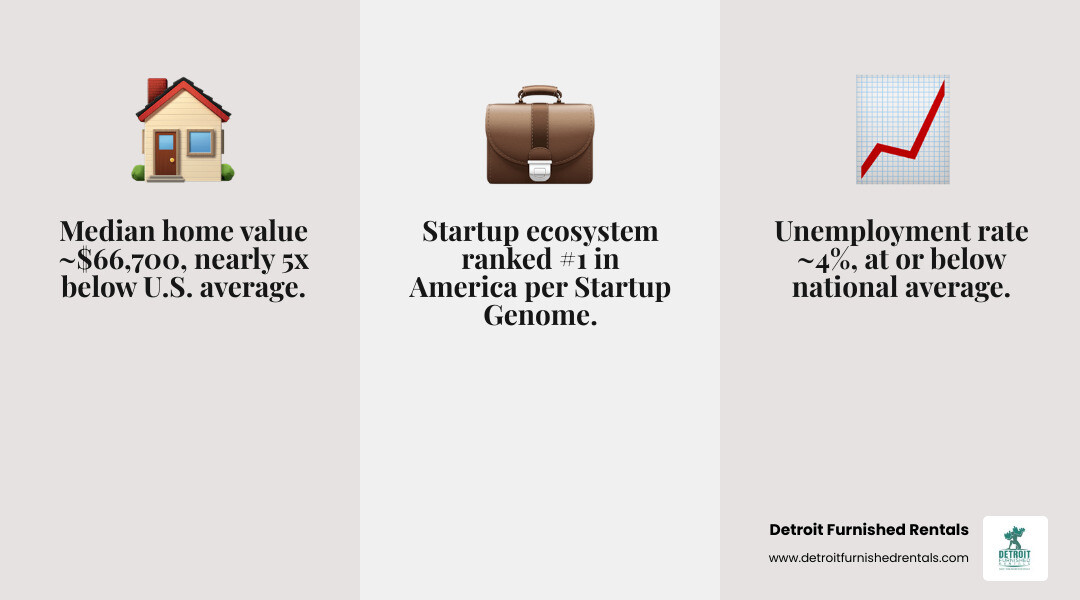
| Median home value | ~$66,700 (nearly 5x below U.S. average) |
| Median rent | ~$989/month |
| Unemployment rate | ~4% (at or below national average) |
| Average commute | 25.7 minutes |
| Salary needed (single person) | $50,000–$60,000/year |
| Car ownership | Strongly recommended |
| Best neighborhoods | Midtown, Corktown, Downtown, West Village |
| Top industries | Automotive, healthcare, tech, startups |
| Annual snowfall | ~45 inches |
| Startup ecosystem rank | #1 in America (Startup Genome) |
Detroit is a city in real, visible comeback mode. New businesses are opening in restored buildings, neighborhoods that sat empty for decades are filling back up, and the economy has moved well beyond the old “just cars” story. At the same time, it’s not a city without challenges — schools, car insurance, and infrastructure are real things to weigh before you sign a lease.
This guide covers the 11 things that actually matter when you’re planning a move here — from housing costs and neighborhoods to transportation, weather, and what salary you’ll need to live comfortably.
I’m Sean Swain, a logistics and hospitality entrepreneur with a 15-unit furnished rental portfolio across Detroit and Chicago, and I’ve spent years helping people land smoothly when relocating to Detroit. What I’ve learned from that experience shapes everything in this guide.
Key relocating to Detroit vocabulary:
- apartments for 3 months lease
- month to month lease apartments in detroit
- furnished apartments for rent Detroit
The Economic Renaissance and Job Market
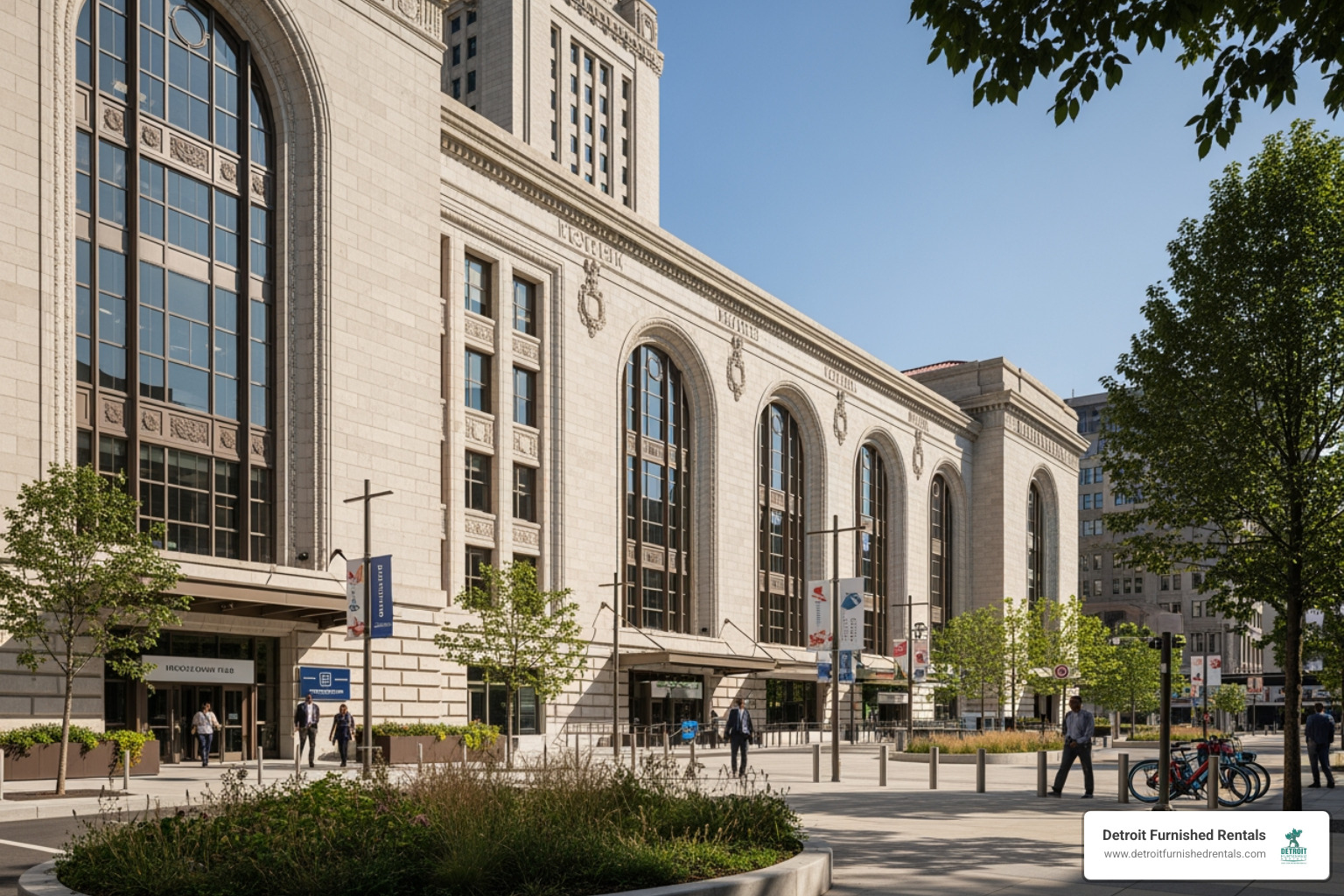
When many people think of Detroit, they think of the classic “Motor City” era. While we are still incredibly proud of our roots, the automotive industry transformation has turned Detroit into a global leader in electric vehicles (EV) and autonomous driving technology. Companies like Ford, GM, and Stellantis aren’t just building cars anymore; they are reinventing mobility. A prime example of this is the massive restoration of Michigan Central Station, which has been reimagined as a hub for innovation and entertainment.
However, the modern Detroit economy is far more diverse than it used to be. We have seen a massive surge in the tech and healthcare sectors. In fact, Detroit was recently ranked the #1 top startup ecosystems in America by Startup Genome. This means if you have a great business idea, this is the place to launch it. The city offers lower operating costs and a supportive community that you just won’t find in Silicon Valley or New York.
The numbers back up this growth. The Detroit unemployment rate recently dipped to 3.3% in late 2023, sitting comfortably below the national average. Manufacturing still employs nearly 250,000 people in the metro area, but professional services, finance, and healthcare are catching up fast. Understanding Detroit Job Market Trends is key for anyone moving here. If you are looking for work, check out the Top 12 In-Demand Jobs in Detroit 2026 to see where you might fit in. With 18 Fortune 1000 companies headquartered in the region, the opportunity for career advancement is massive.
Unmatched Affordability and Neighborhood Selection (Relocating to Detroit)
One of the biggest shocks for people relocating to Detroit from coastal cities is the housing affordability. It is one of the few major American metros where you can still find incredible value. The median home value in the city is approximately $66,700, which is nearly five times less than the national average. Even with the recent revitalization, median rent statistics show that you can find quality housing for around $989 a month.
To give you a better idea of how Detroit stacks up, look at this comparison:
| City | Median Rent (1BR) | Median Home Price |
|---|---|---|
| Detroit, MI | $1,100 | $66,700 |
| Chicago, IL | $2,200 | $350,000 |
| New York, NY | $4,200 | $800,000+ |
While the purchase price is low, we always tell newcomers to keep an eye on property tax millage rates. Detroit has higher property taxes than some of its neighbors, which helps fund the city’s ongoing infrastructure improvements. However, when you factor in the low cost of groceries and utilities (which often sit below the national average), the overall cost of living remains a major win.
For those not ready to buy yet, Short-term Housing Detroit is a popular choice. It allows you to get a feel for the different vibes of the city before committing to a long-term mortgage.
Finding the Right Neighborhood for Relocating to Detroit
Choosing a neighborhood is the most important decision you’ll make. Each area has a distinct personality. If you want to be in the heart of the action, check out our Downtown Detroit Furnished Guide. Downtown is where you’ll find the major sports stadiums, high-end dining, and the beautiful RiverWalk.
For a more historic, artistic vibe, Midtown and Corktown are the places to be. Midtown is the cultural heart of the city, home to Wayne State University and the Detroit Institute of Arts. Corktown is the city’s oldest neighborhood, known for its trendy bars, historic architecture, and the newly renovated Michigan Central. If you’re looking for a more comprehensive look at city life, our Detroit City Living Ultimate Guide covers everything from high-rises to historic lofts.
For those seeking grand historic homes and quiet, tree-lined streets, look into Sherwood Forest, Palmer Woods, and the University District. These neighborhoods offer sprawling estates at prices that would be impossible in any other major city. West Village is another gem, offering a mix of historic charm and a tight-knit community feel with great local coffee shops and bakeries.
Popular Suburbs for Relocating to Detroit
Not everyone wants to live in the city center. The suburbs in Oakland County and Macomb County offer excellent schools and plenty of amenities.
- Royal Oak & Ferndale: These are the “cool” suburbs. They offer a high density of restaurants, bars, and boutiques. Ferndale is known for its inclusive, funky vibe, while Royal Oak is a bit more polished with a bustling downtown.
- Grosse Pointe: Located right on Lake St. Clair, the Grosse Pointes offer beautiful waterfront views and a more traditional, upscale feel.
- Sterling Heights & Madison Heights: These are fantastic options for budget-conscious movers. Sterling Heights is a massive, family-friendly suburb with great parks, while Madison Heights offers a “stealth play” for those who want to be close to Royal Oak’s nightlife without the Royal Oak prices.
- Oak Park: This area has seen a massive resurgence lately, offering mid-century modern homes and a growing culinary scene.
Navigating Transportation and Infrastructure
Let’s be honest: Detroit is a car town. While we are working hard to improve public transportation options, most residents still find a personal vehicle necessary for daily life. The average commute is a manageable 25.7 minutes, thanks to our extensive highway system (I-75, I-94, and I-96 all converge here).
For getting around the city core, we have a few unique options. The QLine streetcar runs up and down Woodward Avenue, connecting Downtown to Midtown and New Center. The People Mover is an elevated rail circuit that circles the downtown business district — it’s great for getting to a game or a show without worrying about parking.
For broader city travel, the Detroit Department of Transportation (DDOT) handles bus routes within the city limits, while the SMART bus system connects the city to the suburbs. If you’re planning your daily route, our Area Guide Detroit Transportation provides a deep dive into all your options.
One thing to be prepared for when relocating to Detroit is car insurance. Michigan has unique no-fault insurance laws, and premiums within the city limits can be significantly higher than the national average. We recommend shopping around and seeing if you can bundle your insurance to save some cash.
Biking and Walkability When Relocating to Detroit
While we love our cars, Detroit is becoming surprisingly bike-friendly. The city has invested heavily in the Streets for People program, adding miles of protected bike lanes. The Detroit bike map is a great resource for finding safe routes.
The Dequindre Cut Greenway is a local favorite — it’s a former rail line converted into a paved pedestrian and bike path that connects the Eastern Market to the Riverfront. It’s filled with urban art and is a great way to see the city. neighborhoods like Corktown and Midtown have high walkability scores, meaning you can actually grab a coffee or head to dinner without touching your car keys. Plus, there are always neighborhood events like street fairs and block parties that encourage people to get out and walk.
Lifestyle, Culture, and Essential Services
Life in Detroit is about more than just work and housing. The culture here is “Detroit vs. Everybody” — a mix of fierce pride, resilience, and incredible creativity.
For outdoor lovers, Belle Isle Park is our crown jewel. Located in the middle of the Detroit River, this 982-acre island park features an aquarium, a conservatory, a beach, and incredible views of both the Detroit and Windsor, Canada skylines.
You do have to be prepared for the weather. We get four distinct seasons here. Fall is beautiful with apple picking and cider mills, but winter brings about 45 inches of annual snow. The city has specific snow codes that require you to clear your sidewalks, so buy a good shovel (or a snowblower) before the first flake falls!
The Food and Arts Scene
Detroit’s food scene is currently one of the best in the country. You can’t move here without trying a Coney Dog. The “feud” between American Coney Island and Lafayette Coney Island is legendary — you’ll have to try both and pick a side. For something more upscale, The Apparatus Room offers world-class dining in a stunningly renovated fire department headquarters. From Detroit-style square pizza to award-winning dining that has been recognized by the James Beard Foundation, you will never go hungry here.
Education and Healthcare
If you are moving with a family or looking to further your own education, Detroit has strong options. Wayne State University is a premier research institution located right in Midtown, and the University of Detroit Mercy offers excellent programs in law, dentistry, and more.
Healthcare is actually the city’s largest employment sector. We are home to world-class facilities like Henry Ford Health and the Detroit Medical Center. For a full breakdown of where to go, our Detroit Hospital Systems Complete Guide is an essential resource.
Safety and Sports
Safety is a common question for those relocating to Detroit. While some areas still face challenges, the city has seen historically low crime rates in recent years, particularly in the downtown and midtown corridors. Like any big city, it’s about being aware of your surroundings and choosing the right neighborhood.
And we can’t talk about Detroit without sports. We are one of the few cities where all four major pro teams play right in the downtown core:
- Ford Field: Detroit Lions (NFL)
- Comerica Park: Detroit Tigers (MLB)
- Little Caesars Arena: Detroit Red Wings (NHL) and Detroit Pistons (NBA)
Frequently Asked Questions about Relocating to Detroit
Is Detroit a good place to live and relocate to in 2026?
Absolutely. Detroit offers a combination of affordability, job growth, and cultural richness that is hard to beat. It is a city where you can actually afford to live well while being part of a meaningful urban revival. If you value community, authenticity, and opportunity, Detroit is a fantastic choice.
What salary is needed for a comfortable lifestyle in Detroit?
For a single person, a salary of $50,000–$60,000 allows for a very comfortable lifestyle, including a nice apartment, car expenses, and plenty of “fun money” for the city’s great restaurants. Families will obviously need more, but your dollar goes much further here than in almost any other major U.S. city.
Is a car necessary for living in Detroit?
In short, yes. While you can get by with the QLine and buses if you live and work in the Midtown/Downtown corridor, most of the region’s jobs and amenities are spread out. Having a car gives you the freedom to explore the suburbs, head to the Great Lakes, and navigate the city efficiently.
Conclusion
Relocating to Detroit is an adventure. It’s a city that rewards those who take the time to understand its history and participate in its future. From the bustling streets of Downtown to the quiet charm of the University District, there is a place for everyone here.
Before you make the big move, check out our guide on Moving to Detroit Here are 10 Things to Know for more insider tips. If you need a place to stay while you hunt for your permanent home, our Detroit Relocation Rentals Complete Guide and Furnished Apartments Detroit listings are designed to make your transition as smooth as possible.
We also specialize in helping businesses with our Corporate Relocation Detroit Guide. At Detroit Furnished Rentals, we pride ourselves on providing comfortable, centrally located, and pet-friendly homes for those new to our city. You can learn more About Us and our mission to help people fall in love with Detroit.
Ready to see what’s available? Explore Detroit Furnished Properties today and take the first step toward your new life in the Motor City. We can’t wait to welcome you home!