Why Pet Friendly Apartment Search Matters More Than Ever

A pet friendly apartment search has become easier than ever before. Here’s what you need to know to find the right place for you and your companion.
Key Considerations:
- Online Search Tools: Use pet-friendly filters on rental websites.
- Common Costs: Expect to pay a pet deposit, fee, or monthly pet rent.
- Important Features: Look for clear policies and pet amenities like dog parks.
- Lease Agreement: Ensure you get written approval for your pet in the lease.
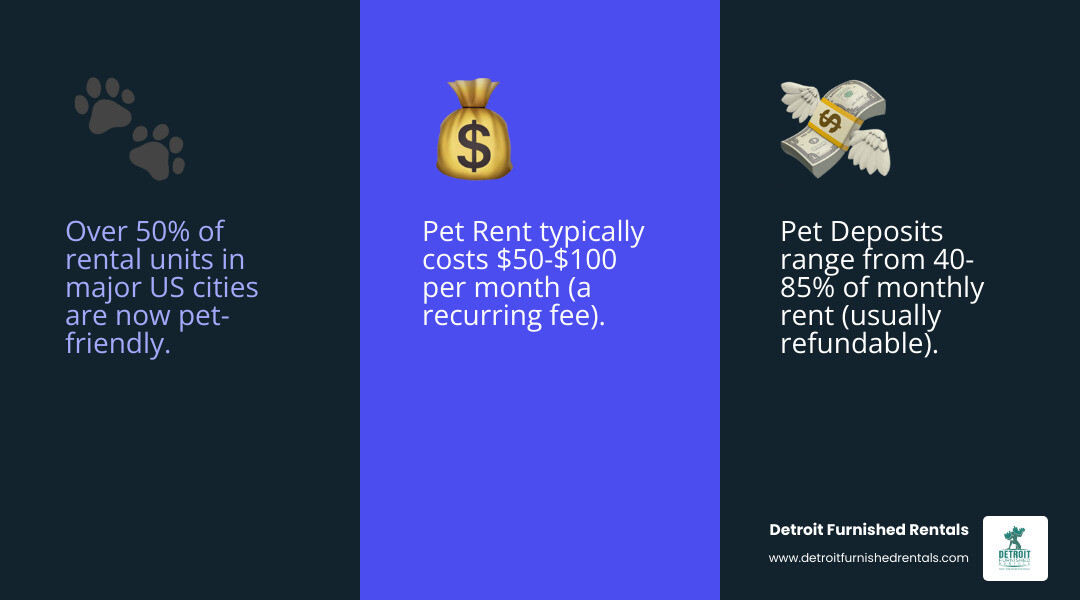
Our pets are family, reducing stress and improving our lives, especially during big transitions like relocating. Finding housing that welcomes your furry companion can feel like a challenge, but there’s good news: pet-friendly apartments are more common today than ever before. In cities like Chicago, Los Angeles, and San Francisco, more than half of available rental units now allow pets. Property managers recognize that pet owners are a huge part of the rental market and are adapting their policies.
This guide walks you through every step of your search. You’ll learn where to look, how to understand pet policies and costs, what features make an apartment truly pet-friendly, and how to present yourself as the ideal tenant. Whether you’re moving with a small cat or a large dog, you’ll have the tools to find a place that works for everyone.
Your Step-by-Step Pet Friendly Apartment Search
Finding the perfect home for both you and your pet doesn’t have to be overwhelming. With the right approach, your pet friendly apartment search can be straightforward. Let’s walk through how to find a place that truly welcomes your furry companion.
How to Start Your Pet Friendly Apartment Search
Today’s search requires a bit of strategy, but technology has made it easier than ever. Your best starting point is using online rental platforms with built-in pet filters. These tools let you instantly narrow down thousands of listings to only those that welcome pets. Checking several different websites will give you the broadest view of what’s available.
However, not all “pet-friendly” listings are created equal. As you browse, look beyond the basic “pets allowed” checkbox. The best listings include specific details like “dogs and cats welcome,” mention any breed or weight restrictions upfront, and highlight amenities like dog parks or pet washing stations. Pay attention to the apartment’s flooring—hardwood or tile is much easier to clean than carpet. A listing that includes detailed pet policies in the description is usually a sign of a truly pet-welcoming community.
If you’re specifically searching in Detroit, our Detroit Furnished Rentals Pet-Friendly Search Guide offers a customized search experience with additional local resources.
Key Features of a Pet-Friendly Apartment and Community
Once you’ve found promising listings, it’s time to dig deeper. You want a home that genuinely welcomes pets and makes life easier for both of you.

The best pet-friendly communities offer dedicated amenities. An enclosed dog park provides a safe space for play and socialization. Pet washing stations save your bathroom from muddy paws, and conveniently located waste stations make cleanup easy.
The surrounding neighborhood matters just as much. Look for proximity to parks and green spaces for daily walks. A quick online map search can reveal nearby trails or dog parks. Having nearby veterinarians and pet supply stores is also a major convenience. Finally, walkable neighborhoods with sidewalks and safe streets make daily outings more enjoyable.
Think about your specific pet’s needs. Does your high-energy dog need space to run? Would your cat love a sunny balcony? The ideal apartment creates an environment where your pet can thrive.
For more insights, especially if you’re considering temporary housing, check out our guide on pet-friendly temporary housing.
Resources for Owners of “Restricted” Breeds
If you have a Pit Bull, Rottweiler, or another commonly restricted breed, finding housing can feel like an uphill battle. Breed discrimination is a frustrating reality, but more landlords are willing to evaluate individual pets rather than enforce blanket bans.
Preparation is key. Advocacy organizations dedicated to ending housing discrimination maintain national databases of dog-inclusive rentals. These resources can help you find properties with flexible policies, such as those with no breed restrictions or that accept dogs with a Canine Good Citizen certification. Always contact the property directly to confirm current rules, as policies can change.
When you encounter a landlord with breed restrictions, communication is everything. Be upfront about your dog’s breed and temperament. A well-prepared pet resume can showcase your dog’s excellent behavior, training, and health records. References from previous landlords and veterinarians also carry significant weight. Suggesting a meet-and-greet can help a landlord see for themselves that your dog is well-behaved.
Having your own renter’s insurance with pet liability coverage that includes your specific breed can also eliminate a landlord’s concerns and make you a much more attractive tenant.
For more detailed information on navigating breed policies in Detroit, visit our Detroit Furnished Rentals breed policy information page.
Decoding Pet Policies and Costs
Before you sign a lease, it’s crucial to understand the rules and financial obligations of renting with a pet. This section breaks down common policies and fees so you’re fully prepared.
Common Restrictions: Breed, Weight, and Number Limits
Landlords implement pet restrictions to manage risks like property damage, noise complaints, and liability issues. This is why your pet friendly apartment search will often reveal limits on breed, weight, and the number of pets allowed.

- Breed restrictions are common, often targeting breeds like Pit Bulls, Rottweilers, and German Shepherds due to insurance exclusions or perceived aggression, regardless of an individual dog’s temperament.
- Weight limits are another frequent hurdle, with restrictions ranging from 20 to 70 pounds or more. Landlords may worry that larger dogs cause more noise or damage, or they may use weight limits as an indirect way to enforce breed restrictions.
- Number of pets is usually capped at one or two to manage the pet population in the building and reduce potential issues.
- Type of pet also matters. Some properties may allow cats but not dogs, or prohibit exotic pets.
Never try to sneak a pet into a property that prohibits them, as this can lead to eviction. Always be transparent and get pet approvals in writing.
Understanding the Costs: Pet Deposits, Fees, and Rent
Beyond policies, the financial side of renting with a pet requires careful attention. Costs typically fall into three categories:
-
Pet Deposit: A one-time, refundable payment held to cover any pet-related damages. If your pet causes no damage, you should get this money back. Average pet deposits range from 40% to 85% of one month’s rent.
-
Pet Fee: A one-time, non-refundable charge. Landlords use this to cover administrative costs or as compensation for allowing pets. The amount varies widely.
-
Pet Rent: A recurring monthly charge added to your regular rent. Most landlords charge between $50 and $100 per month. This ongoing fee is meant to offset general wear and tear.
These costs can vary significantly by location and property. Some states regulate these fees, especially for assistance animals. Always read your lease carefully to understand all pet-related charges and factor them into your budget.
Making Your Case: How to Win Over a Landlord
A great pet and a responsible owner can often win over even hesitant landlords. Here’s how to present you and your companion in the best possible light during your pet friendly apartment search.
Create a Winning “Pet Resume”
A pet resume is your furry friend’s personal introduction and can transform a landlord’s perspective. It’s one of the most powerful tools you can have.

Your pet resume should include:
- A friendly photo that shows your pet’s personality.
- A brief bio highlighting their best qualities, such as being quiet, friendly, or fully house-trained.
- Training certifications, like a Canine Good Citizen certificate from the American Kennel Club, which demonstrates good behavior.
- Health records, including proof of vaccinations and spay/neuter status.
- Veterinarian’s contact information to verify your pet’s health history.
A well-crafted pet resume shows you are a responsible, proactive owner and that your pet is a well-cared-for family member.
For a helpful starting point, check out our Pet Resume tips and template from Detroit Furnished Rentals.
Gather References and Proof of Responsibility
Concrete evidence of your excellent track record can seal the deal. Landlords want reassurance, and the right documentation provides it.
- Letter from a previous landlord: This is the most powerful reference, confirming your pet caused no damage or complaints.
- Neighbor references: Notes from neighbors vouching for your pet’s quiet behavior offer valuable third-party validation.
- Veterinarian reference: Your vet can confirm your pet’s health and your history of responsible care.
- Proof of renter’s insurance with pet liability coverage: This is a game-changer. It shows you have proactively protected yourself and the property owner from liability, eliminating one of a landlord’s biggest concerns.
By gathering these documents before you apply, you present a compelling case that you and your pet are low-risk tenants who deserve a chance.
Know Your Rights and Be a Great Pet-Owning Tenant
Understanding your legal standing and committing to responsible ownership ensures a positive rental experience for everyone. Informed renters are empowered renters, and responsible pet owners are the best advocates for pet-inclusive housing.
Understanding Your Legal Rights During a Pet Friendly Apartment Search
Navigating the legal landscape makes a pet friendly apartment search much smoother. While landlords can set their own pet policies, there are important legal protections for assistance animals.
First, always get pet approval in writing. A verbal agreement is not enough. Ensure your lease is amended to include your pet, detailing any deposits or fees. Both you and the landlord should initial the changes to prevent future disputes.
Second, assistance animals are not legally considered pets. Under the Fair Housing Act (FHA), assistance animals include both service animals and Emotional Support Animals (ESAs). Landlords must provide reasonable accommodation for them and cannot charge pet fees or enforce breed or weight restrictions. The only exceptions are if the animal poses a direct threat to others or would cause substantial property damage.
For an Emotional Support Animal (ESA), you’ll need a letter from a licensed mental health professional stating that you have a disability and the animal provides necessary support. For service animals, which are trained to perform specific tasks, the protections are even broader.
If you believe a landlord is violating your rights, review your lease and research local tenant rights. For more information about navigating pet policies in Detroit, visit our Detroit Furnished Rentals breed policy information.
How to Be a Responsible Renter with a Pet
Finding a pet-friendly apartment is just the beginning. Maintaining good relationships with your landlord and neighbors requires consistent, responsible pet ownership.
- Prevent damage: Ensure your pet is house-trained and has plenty of toys and exercise to prevent boredom-related destruction.
- Manage noise: Address excessive barking through training, exercise, and mental stimulation. A tired pet is a quiet pet.
- Dispose of waste properly: Always pick up after your pet in common areas and keep litter boxes clean to prevent odors.
- Respect neighbors: Train your pet to be calm and polite around others in shared spaces like elevators and hallways.
- Maintain cleanliness: Regular grooming and vacuuming reduce shedding and dander. Clean up accidents immediately with enzyme cleaners to prevent stains and odors.
- Establish a routine: Consistent feeding, walking, and play schedules help your pet feel secure and reduce anxiety-driven behaviors.
By being a responsible owner, you build trust with your landlord and show that pet owners can be excellent tenants. For more tips, check out our guide on being a responsible pet owner in an apartment.
Frequently Asked Questions about Pet-Friendly Apartment Hunting
Still have questions about your pet friendly apartment search? Here are quick answers to some of the most common queries we receive.
How common are pet-friendly apartments?
They are more common than ever. As pet ownership has risen, the rental market has adapted. In many major cities, more than half of all available rental units now welcome pets, though specific policies still vary by property.
What is the difference between a pet deposit, a pet fee, and pet rent?
These terms can be confusing, but the distinction is important for your budget:
- Pet Deposit: A one-time, refundable payment to cover potential damages.
- Pet Fee: A one-time, non-refundable charge for the privilege of having a pet.
- Pet Rent: A recurring monthly fee added to your regular rent.
Always clarify which of these a landlord charges before signing a lease.
Can a landlord legally deny my emotional support animal (ESA)?
Generally, no. Under the Fair Housing Act (FHA), landlords must provide reasonable accommodation for assistance animals, including ESAs, and cannot charge pet fees for them. However, a landlord can request reliable documentation from a licensed health professional. They may also deny an ESA if the specific animal poses a direct threat to the health and safety of others or would cause substantial physical damage to the property.
Conclusion
Finding a home that welcomes you and your pet is achievable with the right strategy. A successful pet friendly apartment search comes down to knowing where to look, understanding the costs, and showing landlords that you’re a responsible owner.
Use online tools with pet-friendly filters and look for communities with amenities like dog parks and washing stations. Prepare a compelling “Pet Resume” with health records and references to make a great first impression. If you have an assistance animal, know your rights under the Fair Housing Act.
Once you move in, being a considerate neighbor by managing noise and maintaining cleanliness helps ensure a positive experience for everyone and strengthens the case for more pet-friendly housing.
The rental landscape is changing in favor of pet owners. With preparation, finding the perfect place for your entire family—furry members included—is entirely within reach.
For those considering a move to Detroit, we at Detroit Furnished Rentals understand that your pet is family. Our comfortable, centrally located accommodations are designed with pet owners in mind, offering the convenience and modern amenities you need. We’re here to make your transition smooth and stress-free.
Explore Detroit’s best pet-friendly rentals and find how easy it can be to find a home that works for everyone—paws and all.