Find Apartments with Utilities Included in Rent Without Surprise Costs
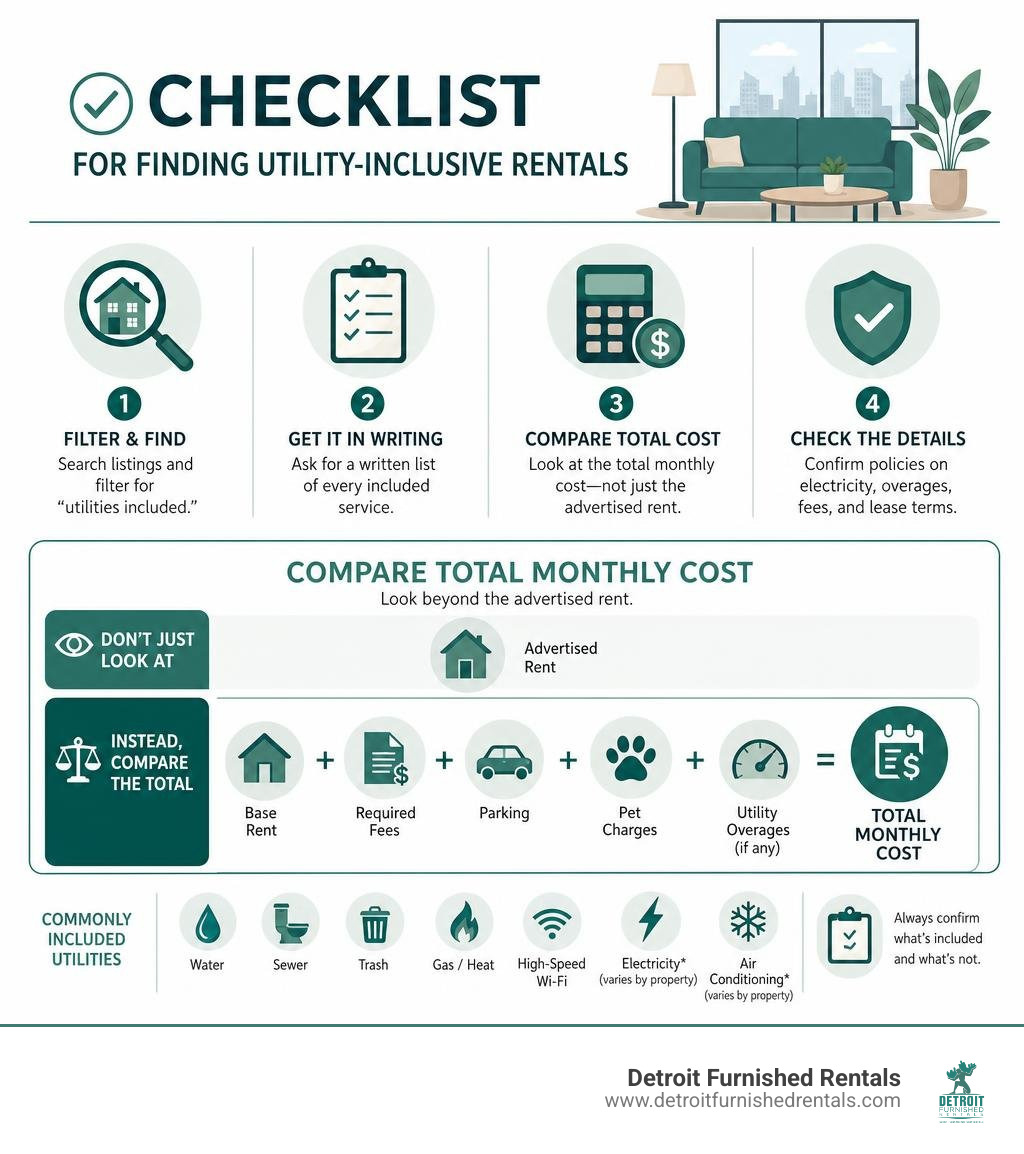
To find a good utilities-included rental, start by filtering listings for “utilities included,” then ask for a written list of every covered service before you apply. Compare the total monthly cost – rent, required fees, parking, pet charges, and any utility overages – not just the advertised rent.
For traveling professionals and short-term renters, the best fit often includes:
- Water, sewer, trash, gas or heat, and high-speed Wi-Fi
- A clear policy on electricity and air-conditioning use
- No vague “utility package” language or undisclosed monthly admin fees
- A furnished kitchen and flexible lease term, if needed
“Utilities included” does not always mean all utilities are covered. Many properties bundle water, sewer, trash, gas, and internet but bill electricity separately. Others set a monthly usage cap and charge for overages. A slightly higher rent can still be the better deal when it replaces separate accounts, deposits, setup work, and unpredictable seasonal bills.
I am Sean Swain, a Detroit and Chicago furnished-rental operator with a 15-unit portfolio built around comfortable, dependable stays. Through hosting short- and mid-term guests, I have seen how apartments with utilities included in rent can make budgeting and moving far simpler when the lease terms are clear.
Apartments with utilities included in rent word guide:
- furnished and utilities included apartments
- studio apartments all utilities included
- utilities included apartments
Understanding What Covers Apartments with Utilities Included in Rent

When you look for a new place to live, the phrase “all bills paid” sounds like an absolute dream. You pay one clean sum on the first of the month, kick back, and never spend another Sunday evening logging into four different utility web portals. However, in modern residential leasing, the specific definition of what constitutes an all-inclusive lease varies drastically depending on the property management style, building age, and regional regulations.
Finding quality utilities included apartments requires understanding baseline municipal services versus variable energy costs. Municipal services are the foundational expenses required to keep any building habitable, while energy services depend heavily on individual daily habits.
Common Utilities Bundled into All-Inclusive Leases
Historically, standard multi-family rentals bundle baseline community services directly into base rent. In our experience managing short and mid-term housing, standard packages include:
- Water and Sewer: Municipal water flow and wastewater management are almost always handled on the landlord side in traditional multi-unit properties.
- Trash Collection and Recycling: Centralized dumpsters or municipal pickup schedules are folded into standard building operating expenses.
- Natural Gas and Radiator Heat: In regions with harsh winter climates like the Midwest, centralized boiler systems frequently supply whole-building heat during sub-zero months without tracking individual unit usage.
For anyone transitioning into turn-key spaces, checking out our guide to all inclusive living helps clarify how comprehensive living solutions combine furnishings, appliances, and essential infrastructure into a single invoice.
The Hidden Exclusions: Electric, Internet, and Utility Caps
Where renters often get tripped up is assuming “utilities included” covers every single wire entering the home. In reality, landlords frequently exclude high-variability services to protect against unchecked consumption.
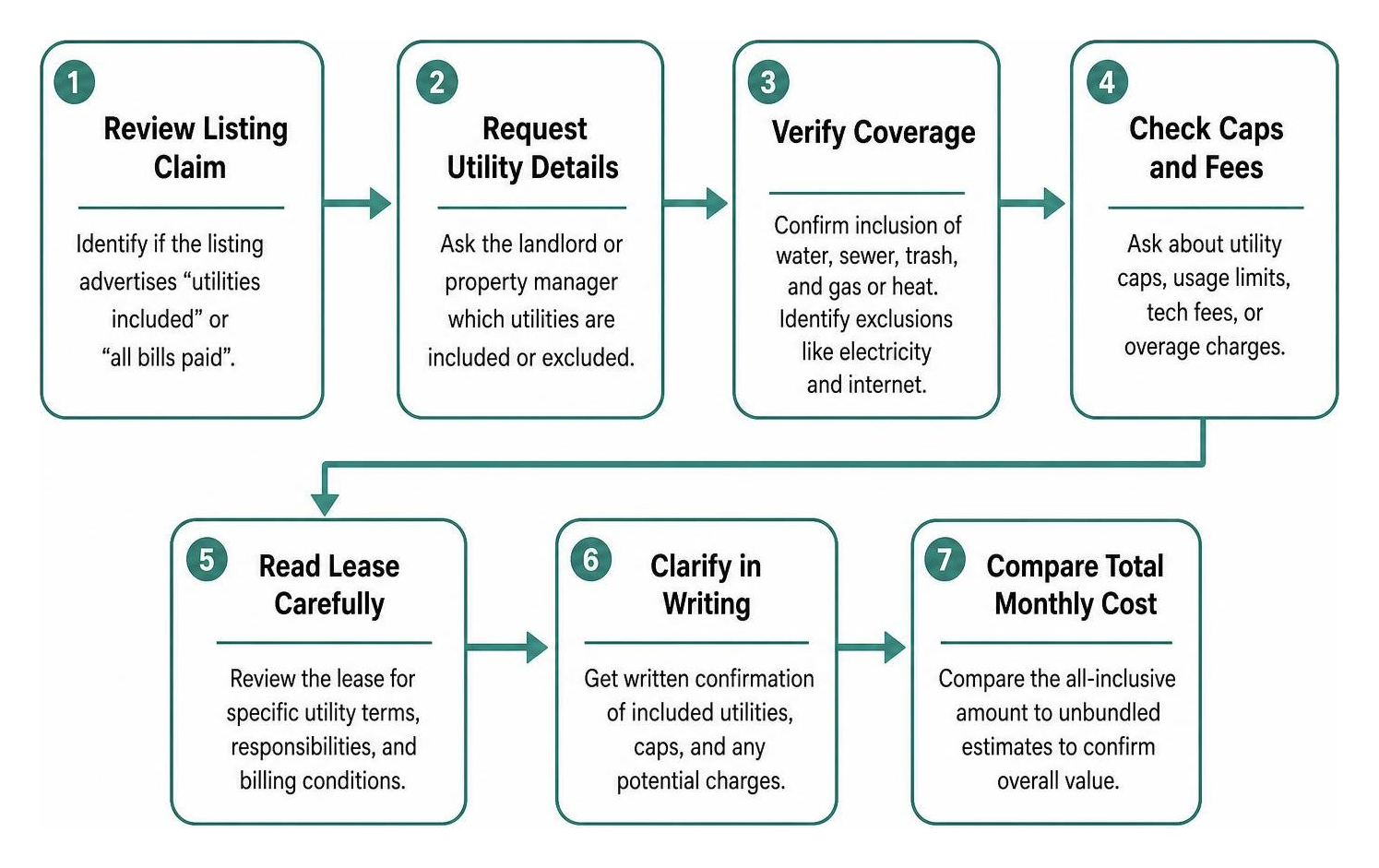
- Electricity and Submetering: Running air conditioning at 65 degrees all summer can send power bills skyrocketing. As a result, many modern buildings use utility submetering setups, where individual meters measure your exact power draw while the building pays for the water and gas.
- High-Speed Wi-Fi: While standard in dedicated corporate housing and furnished executive suites, standard long-term unfurnished leases rarely include private broadband unless a mandatory tech fee is added.
- Utility Caps and Overage Thresholds: Some leases include electricity up to a set dollar amount (e.g., $100 per month). If your usage exceeds that threshold due to heavy heating or cooling demands, the overage is billed back directly to your resident ledger.
Comparing Financial Value: All-Inclusive vs. Unbundled Monthly Costs
To figure out whether an all-inclusive unit actually saves you money, you must calculate your Total Monthly Leasing Price rather than simply looking at headline base rent. When you rent a home with unbundled utilities, you take on several hidden administrative costs:
- One-time utility activation fees ($15 to $50 per utility provider)
- Refundable utility security deposits for accounts without established credit history
- Recurring monthly billing administration charges ($5 to $10 per bill from third-party billing services)
- Severe seasonal swings between summer air conditioning and winter heating
In northern climates, winter natural gas and electric bills can swing dramatically from $70 in mild spring weather to over $250 during January freezes. A fixed-rate rental absorbs that volatility on your behalf, giving you predictable monthly overhead.
Evaluating the Cost of Apartments with Utilities Included in Rent vs. Unbundled Leases
Let’s look at how a typical one-bedroom layout compares when calculating all ancillary costs:
| Expense Category | Unbundled Standard Lease | All-Inclusive Bundled Lease |
|---|---|---|
| Advertised Base Rent | $1,250 / month | $1,475 / month |
| Water, Sewer & Trash | $65 / month (billed back) | Included ($0) |
| Gas & Radiator Heating | $55 / month (seasonal avg) | Included ($0) |
| Electricity & Cooling | $95 / month (seasonal avg) | Included ($0) |
| High-Speed Internet (300+ Mbps) | $75 / month | Included ($0) |
| Utility Administrative Billing Fees | $12 / month | $0 |
| Account Setup / Connection Fees | $60 (amortized over 12 mos = $5/mo) | $0 |
| Total Real Monthly Out-of-Pocket | $1,557 / month | $1,475 / month |
When evaluating 1 bedroom apartments with utilities included, renters frequently discover that paying a slightly higher base rent actually produces net savings each month by eliminating auxiliary setup costs and third-party surcharges.
Property Types Most Likely to Offer All-Inclusive Utilities
Certain property classes naturally lend themselves to bundled utility agreements:
- Historic Master-Metered Buildings: Vintage architectural properties built before modern electrical grid updates often share single master meters for gas and water, making individual unit billing impractical.
- Short-Term and Corporate Furnished Suites: Designed for relocating executives, digital nomads, and travel medical staff, these properties bundle everything to provide walk-in readiness from day one.
- Adaptive Reuse Lofts and Studios: Converted industrial warehouses and historic high-rises often provide streamlined utility setups. If you enjoy open layouts and historic character, explore our guide on finding utility inclusive loft apartments or check out our strategies for finding studio apartments with all utilities included.
Navigating the Search: How to Score the Best Deals
Searching effectively requires more than just checking a single box on an apartment portal. Because property managers categorize amenities differently, you need a methodical approach to filter, verify, and negotiate lease terms.

How to Find Apartments with Utilities Included in Rent Across Top US Cities
Across major metropolitan markets, utility-included availability varies significantly based on local building stock. For instance, dense East Coast rental hubs feature thousands of legacy master-metered properties, with listing portals frequently tracking deep inventories:
- Philadelphia, PA: Over 4,450 listings frequently feature utilities included due to extensive historic multi-family conversions.
- New York, NY: Ranging from 500 to upwards of 1,500 active listings across outer boroughs and upper Manhattan.
- Newark, NJ: More than 1,050 rental properties bundle core utilities, serving both market-rate and voucher-assisted housing sectors.
- Baltimore, MD: Features smaller pockets of around 20 to 30 active all-inclusive listings at any given time, predominantly within rowhouse conversions and mid-rise buildings.
When planning flexible or mid-length stays in vibrant markets, reviewing our 2026 professional guide to all utilities included short term rentals ensures you understand standard lease expectations. Additionally, if your work or life transition requires non-standard commitments, consider targeting apartments that offer 6 month leases to retain scheduling flexibility.
Lease Verification and Avoiding Mandatory Hidden Fees
A listing might boast “Utilities Included,” but the fine print could tell a different story. In modern property management, mandatory add-on fees have become increasingly common. Always check the full lease agreement for these recurring line items:
- Valet Trash Fees: Mandatory monthly charges ranging from $25 to $35 where a service collects trash from your hallway door.
- Mandatory Utility Packages: Fixed supplemental fees ($100 to $140 per month) billed on top of base rent to cover municipal services and building internet.
- Pest Control and Common Area Utility Surcharges: Monthly charges ($5 to $15) apportioning shared hallway power and property maintenance to individual ledgers.
- Portal Payment Processing Fees: Transaction fees for paying rent online via credit card or third-party payment systems.
Before signing, request an itemized “First Month’s Total Statement of Account” showing every single recurring charge that will appear on your monthly invoice.
Frequently Asked Questions About All-Inclusive Rentals
Do utilities-included rentals have higher base rent?
Yes. Landlords calculate the expected utility draw per unit and build that expense directly into the monthly base rent, often adding a modest financial buffer to protect against seasonal usage spikes. However, because property managers frequently secure commercial or bulk rates for internet and energy services, the bundled cost is often equal to or lower than setting up individual residential accounts independently.
What happens if I exceed a utility cap in my lease?
If your lease contains an electric or gas usage threshold (e.g., $125 per billing cycle), the property manager will review the master or submetered statement at the close of the billing period. Any balance exceeding the established ceiling is itemized and added to your next month’s rent ledger as an overage charge.
Are utilities-included apartments more common in older or newer buildings?
All-inclusive utilities are far more prevalent in older, historic buildings constructed prior to the 1970s. These buildings were originally built with central boiler heating and master electrical meters, making submetering costly to retrofit. Conversely, newly constructed developments almost universally install independent meters for each apartment home, unbundling electricity and water bills entirely.
Conclusion
Securing an apartment with utilities included eliminates unpredictable utility bills, protects your monthly budget from seasonal heating and cooling spikes, and saves you the administrative headache of managing separate service accounts. By carefully reviewing lease disclosures, verifying utility caps, and calculating your real total monthly living cost, you can enjoy all-inclusive living without overpaying a single dollar.
If you are planning a move to Michigan and want a seamless, fully furnished living experience with straightforward, all-inclusive terms, explore our premium collection of Detroit apartments with utilities included. Our centrally located, fully equipped properties deliver modern comfort, pet-friendly living spaces, and total billing transparency from the day you move in.