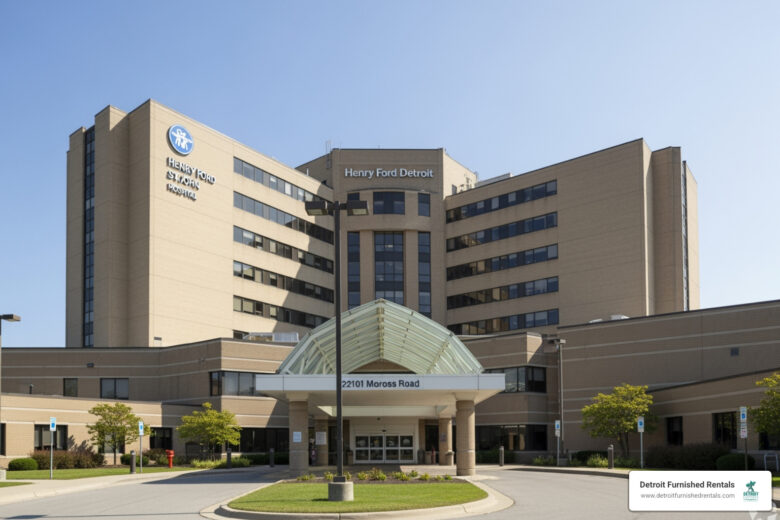
What Is a Med Center — and How Do You Find the Right One?
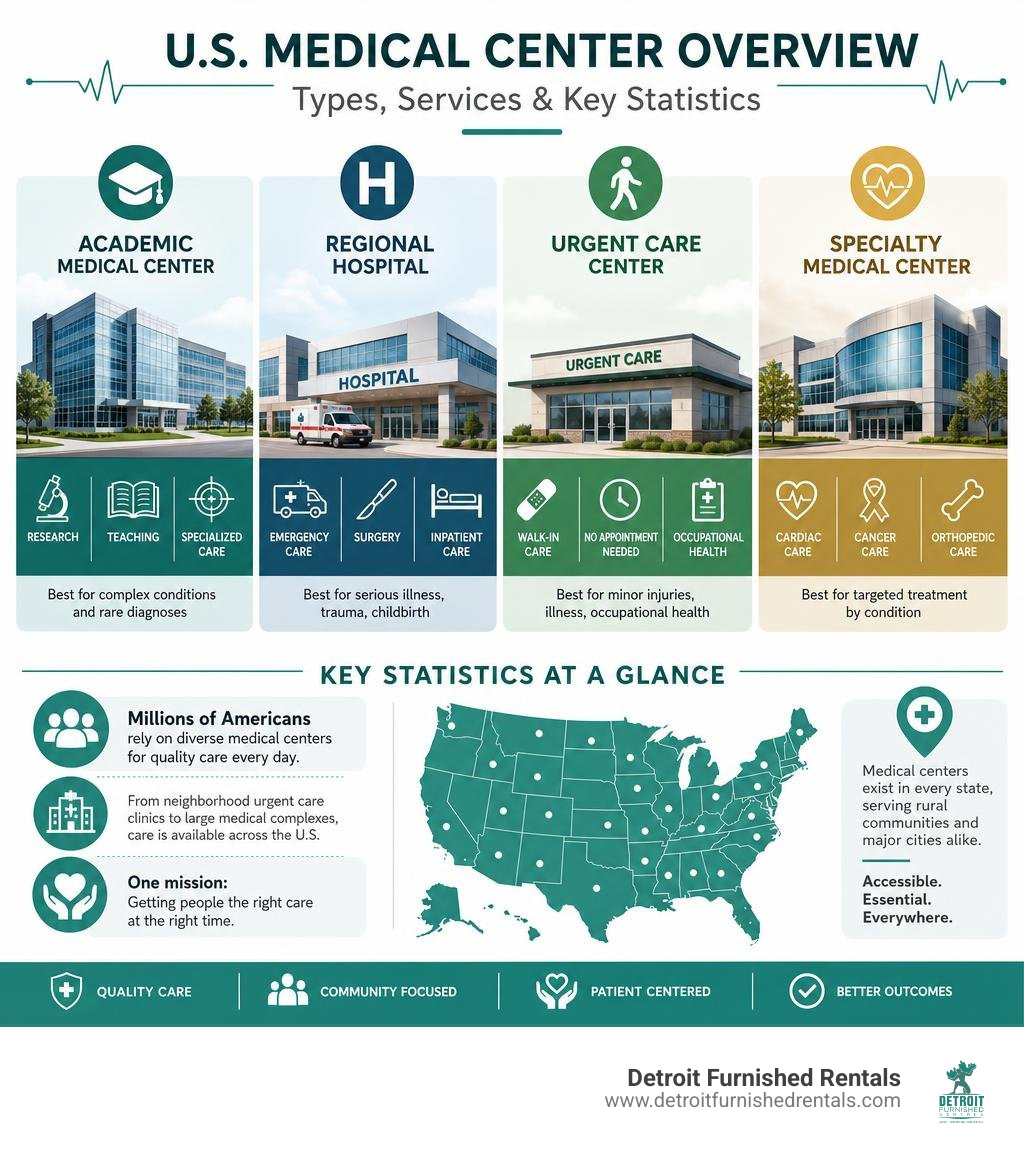
| Type of Med Center | What It Offers | Best For |
|---|---|---|
| Academic Medical Center | Research, teaching, specialized care | Complex conditions, rare diagnoses |
| Regional Hospital | Emergency, surgery, inpatient care | Serious illness, trauma, childbirth |
| Urgent Care Center | Walk-in, no appointment needed | Minor injuries, illness, occupational health |
| Specialty Medical Center | Focused care (cardiac, cancer, ortho) | Targeted treatment by condition |
Whether you need emergency trauma care, a walk-in clinic, or a world-class specialty center, the right facility depends on your location, condition, and care needs.
Med centers across the U.S. range from small community urgent care clinics to massive hospital systems serving millions of patients each year. The Texas Medical Center in Houston, for example, sees 10 million patient encounters annually and employs over 120,000 people — making it the largest medical complex in the world. On the other end of the spectrum, neighborhood walk-in centers like Med Center Health in Bowling Green, Kentucky serve tightly knit regional communities with personalized, accessible care.
The gap between those two models is wide. But both exist to solve the same core problem: getting people the right care at the right time.
I’m Sean Swain, and while my background is in logistics, transportation, and furnished short-term rentals across Detroit and Chicago, I’ve worked closely with traveling healthcare professionals — including travel nurses — who need to quickly identify a reliable med center near their temporary assignment. That experience has given me a ground-level view of how critical it is to understand your local healthcare options before you arrive in a new city.
Med center further reading:
Understanding the Modern Med Center: A Hub of Specialized Care
A modern med center is far more than a building with doctors and hospital beds. It represents a highly integrated healthcare ecosystem designed to advance medical science while delivering personalized patient care. In July 2026, the industry continues to shift toward models of collaborative medicine, where research and clinical treatment occur under one roof to create faster, more effective patient outcomes.
At the heart of this evolution is the integration of diverse clinical services. A top-tier med center typically acts as an anchor for:
- Trauma and Emergency Care: Operating high-level trauma systems (such as Level I Trauma Centers) equipped to handle critical, life-threatening injuries.
- Specialized Certifications: Housing Joint Commission-certified Comprehensive Stroke Centers and accredited chest pain units that rely on rapid-response protocols.
- Academic and Clinical Research: Collaborating with medical schools to run clinical trials, bringing cutting-edge therapies directly to the bedside.
- Comprehensive Primary Care: Serving as the first line of defense for families through preventative wellness, routine screenings, and chronic disease management.
By combining these elements, a centralized medical ecosystem like TMC Houston | Leader in Collaborative Medicine and Research can perform over 180,000 annual surgeries and manage complex cases that traditional community hospitals simply cannot support. This collaborative framework ensures that whether a patient enters through the emergency room or a specialized clinic, their care is guided by the latest scientific breakthroughs.

Comparing Major Medical Centers and Patient Care Models
To understand how these institutions impact their communities, it helps to look at how different facilities stack up. Across the United States, major medical networks employ distinct operational strategies, bed capacities, and specialty focus areas to meet local and national demands.

| Medical Facility / System | Beds | Key Specialties | Unique Accreditations & Recognitions |
|---|---|---|---|
| Texas Medical Center (Houston Methodist) | 900+ | Cardiovascular, Oncology, Transplant, Neurological Care | Ranked No. 1 in Texas; nationally ranked in 10 specialties |
| Mount Sinai Medical Center (Miami, FL) | Multi-campus | Cardiac Surgery, Oncology, Urology, Gastroenterology | Healthgrades Top 5% in the nation for 7 consecutive years |
| The Medical Center at Bowling Green | 373 | Emergency Medicine, Orthopedics, Vascular Surgery, Women’s Health | Hosts UK College of Medicine regional campus; Gold-level EMS awards |
| Detroit Medical Center (DMC) | Multi-hospital | Trauma, Pediatrics, Rehabilitation, Cardiology | Home to Level I Trauma facilities and major academic partnerships |
Key Features of the Flagship Med Center in Kentucky
Serving as the premier healthcare anchor for Southcentral Kentucky, The Medical Center at Bowling Green – Med Center Health is a prime example of a regional powerhouse. This 373-bed facility is supported by a dedicated workforce of over 3,500 employees, making it one of the largest employers in its region.
What truly sets this facility apart is its commitment to medical education and clinical excellence. It hosts the first four-year regional medical school in Kentucky (the University of Kentucky College of Medicine – Bowling Green Campus), training the next generation of physicians directly within the community. From advanced vascular surgeries to the region’s first combined emergency and urgent care models, this facility ensures rural and suburban patients have access to metropolitan-level care.
Specialized Care at Mount Sinai and Texas Medical Center
Further south, Mount Sinai Medical Center, Miami, FL Hospital showcases how specialized clinical performance drives patient outcomes. Known for maintaining the best cardiac surgery survival rate in South Florida, Mount Sinai has been recognized as one of America’s 100 Best Hospitals by Healthgrades for consecutive years. Its Braman Comprehensive Cancer Center and advanced stroke care models provide highly targeted, results-driven treatments.
Meanwhile, within the massive footprint of the Texas Medical Center, Texas Medical Center | Houston Methodist operates as a flagship institution. With more than 900 beds and 8,400 employees, it features six specialized Centers of Excellence. These centers seamlessly intertwine clinical treatment, laboratory research, and medical education to provide a one-stop destination for complex medical needs, particularly in transplant surgery and neurological interventions.
Choosing Between Urgent Care and a Traditional Med Center
For everyday healthcare needs, patients often face a choice: visit a massive hospital campus or head to a local walk-in clinic. The rise of hybrid healthcare models has blurred these lines, giving patients faster access to care without the long wait times of a traditional emergency department.
Systems like ExperCARE (formerly known as MedCenter across several Southern locations) and community-focused urgent care centers provide a vital middle ground. These facilities offer:
- Walk-In Convenience: No appointments are necessary for minor fractures, lacerations, or sudden illnesses.
- On-Site Diagnostics: Equipped with digital X-rays and full-service laboratory capabilities.
- Occupational Health: Providing DOT physicals, drug screenings, and return-to-work evaluations.
- Extended Hours: Operating seven days a week, including evenings and holidays, to accommodate busy schedules.
While a major med center remains the only choice for trauma, major surgeries, and complex chronic disease management, neighborhood urgent care and family practice clinics excel at keeping routine medical care accessible and affordable.
Patient Amenities and Visitation Guidelines
Navigating a massive medical campus can be stressful for patients and their loved ones. To ease this burden, modern hospitals have heavily invested in hospitality-driven amenities and transparent policies:
- Visitation Policies: Many major inpatient facilities allow 24-hour visitation in non-intensive units, while others utilize structured hours (typically 8 a.m. to 8 p.m.) to balance patient rest with family support.
- Convenient Parking and Transit: Large campuses frequently offer free parking garages paired with complimentary golf cart shuttles or courtesy transport to help visitors navigate the grounds.
- Diverse Dining Options: Moving beyond basic cafeteria food, flagship facilities now feature on-campus food courts, national restaurant pop-ups, and dedicated food truck courtyards.
- Digital Patient Portals: Platforms like MyChart allow patients to view test results, schedule appointments, message their care teams, and manage billing from their smartphones.
Regional Spotlights: Healthcare Excellence in Detroit and Beyond
For healthcare professionals, travel nurses, and patients relocating to Michigan, the Detroit metropolitan area boasts one of the most robust and historic medical districts in the country. The city’s healthcare landscape is defined by clinical innovation, high-volume trauma care, and deep academic roots.
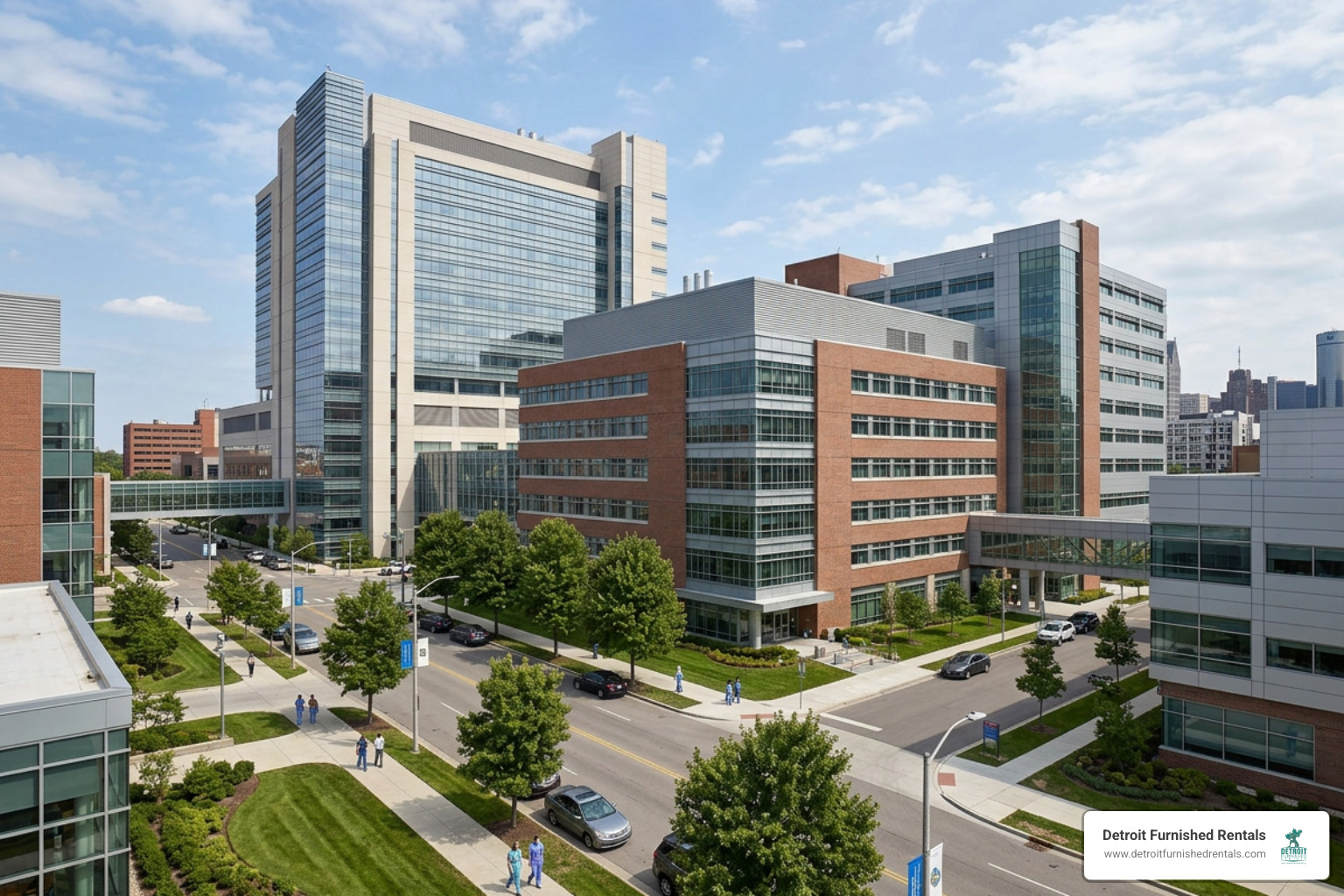
At the center of this network is the Detroit Medical Center (DMC). Known for its clinical intensity and academic partnerships, the DMC is a crucial training ground for medical residents and a lifeline for the local community. To explore how this system manages everything from emergency interventions to daily clinical routines, read our deep dive on Detroit Medical Center Excellence in Care.
The district is further anchored by world-class institutions:
- Detroit Medical Center: Hospitals & Emergency Rooms Detroit, MI: A multi-hospital system offering specialized pediatric care, rehabilitation, and advanced cardiovascular therapies.
- Henry Ford Health: Internationally recognized for clinical research, complex oncology treatments, and a massive network of primary and specialty clinics.
- John D. Dingell Department Of Veterans Affairs Medical Center: Providing state-of-the-art, compassionate care to veterans throughout southeastern Michigan.
Because Detroit’s medical centers attract thousands of traveling nurses, medical residents, and clinical specialists every year, finding high-quality, flexible housing near these facilities is essential. Securing a comfortable place to rest after a demanding 12-hour shift directly impacts a clinician’s well-being and performance.
To help incoming healthcare heroes find their perfect home away from home, we have curated several detailed guides to the local housing market:
- Discover centrally located, fully equipped options in our guide to Furnished Apartments Near Detroit Medical Centers.
- Learn how to secure seamless, worry-free stays with our Furnished Rentals Near Detroit’s Medical District resource.
- Get professional insights on logistics, neighborhoods, and transit by reading our Housing Near Detroit Medical Center guide.
- Explore the safest, most vibrant local communities in The Best Places to Live Near Detroit Medical Center.
- Compare premium properties tailored specifically for medical travelers in our review of the Best Furnished Rentals for Healthcare Professionals in Detroit Medical Districts.
Frequently Asked Questions about Healthcare Facilities
What is the difference between a medical center and a hospital?
While the terms are often used interchangeably, a medical center is typically larger and more complex than a standard hospital. A traditional hospital focuses primarily on inpatient care, emergency services, and basic surgeries. In contrast, a medical center integrates inpatient hospital care with extensive outpatient clinics, advanced specialty centers (like cancer or transplant institutes), medical research laboratories, and academic teaching facilities.
What are the visiting hours at The Medical Center at Bowling Green?
At The Medical Center at Bowling Green, general visitation hours run from 8 a.m. to 8 p.m. daily. However, hours may vary for specialized units, such as intensive care or maternity wards, to ensure patient safety and comfort. Visitors can take advantage of convenient on-campus amenities, including free parking, courtesy shuttle services, and diverse dining options like the Med Center Cafe and local food trucks.
How do I find short-term housing near major medical districts?
For travel nurses, medical residents, and visiting medical professionals, standard long-term leases are rarely practical. The best way to find short-term housing is through specialized providers who offer fully furnished apartments with flexible, month-to-month lease terms. Look for properties that bundle utilities, high-speed Wi-Fi, and parking into a single monthly bill, allowing you to focus entirely on your clinical assignment.
Conclusion
Whether you are a patient seeking specialized clinical care or a traveling healthcare professional embarking on a new hospital contract, navigating the modern med center landscape requires the right resources and local knowledge. From the massive research hubs of the South to the historic, high-volume clinical networks of Southeast Michigan, these medical institutions serve as the vital lifelines of our communities.
At Detroit Furnished Rentals, we are incredibly proud to support the healthcare heroes who keep our cities healthy. We specialize in providing comfortable, fully equipped, and pet-friendly short-to-mid-term furnished apartments throughout Detroit, Michigan. Located just minutes from the city’s premier medical campuses, our units are designed to be your stress-free sanctuary after a long shift.
Planning your next medical stay or travel assignment in Detroit? Let us handle the housing so you can focus on what matters most. Explore our comprehensive Detroit Hospitals Area Guide to find the perfect neighborhood and rental for your needs.