Why Families Need Support During Medical Treatment
Patient family housing provides temporary accommodations for families whose loved ones are receiving medical care far from home. These programs offer a crucial lifeline during stressful times, giving families a comfortable place to stay while remaining close to their hospitalized family members.
Quick Overview: What You Need to Know
- What it is: Temporary housing near hospitals for families of patients undergoing treatment
- Cost range: Free to $75/night, depending on the program
- Eligibility: Typically for families living 30-50 miles or more from the hospital
- How to apply: Through hospital social workers or directly with housing programs
- Common amenities: Private bedrooms, shared kitchens, laundry facilities, Wi-Fi, and shuttle services
When a loved one faces serious illness or extended medical treatment, the last thing families should worry about is where to sleep or how to afford a hotel for weeks or months. Yet this is exactly the challenge thousands of families face every year. The stress of medical treatment is compounded by logistical nightmares—expensive hotels, long commutes, meals on the go, and the physical and emotional exhaustion of being far from home.
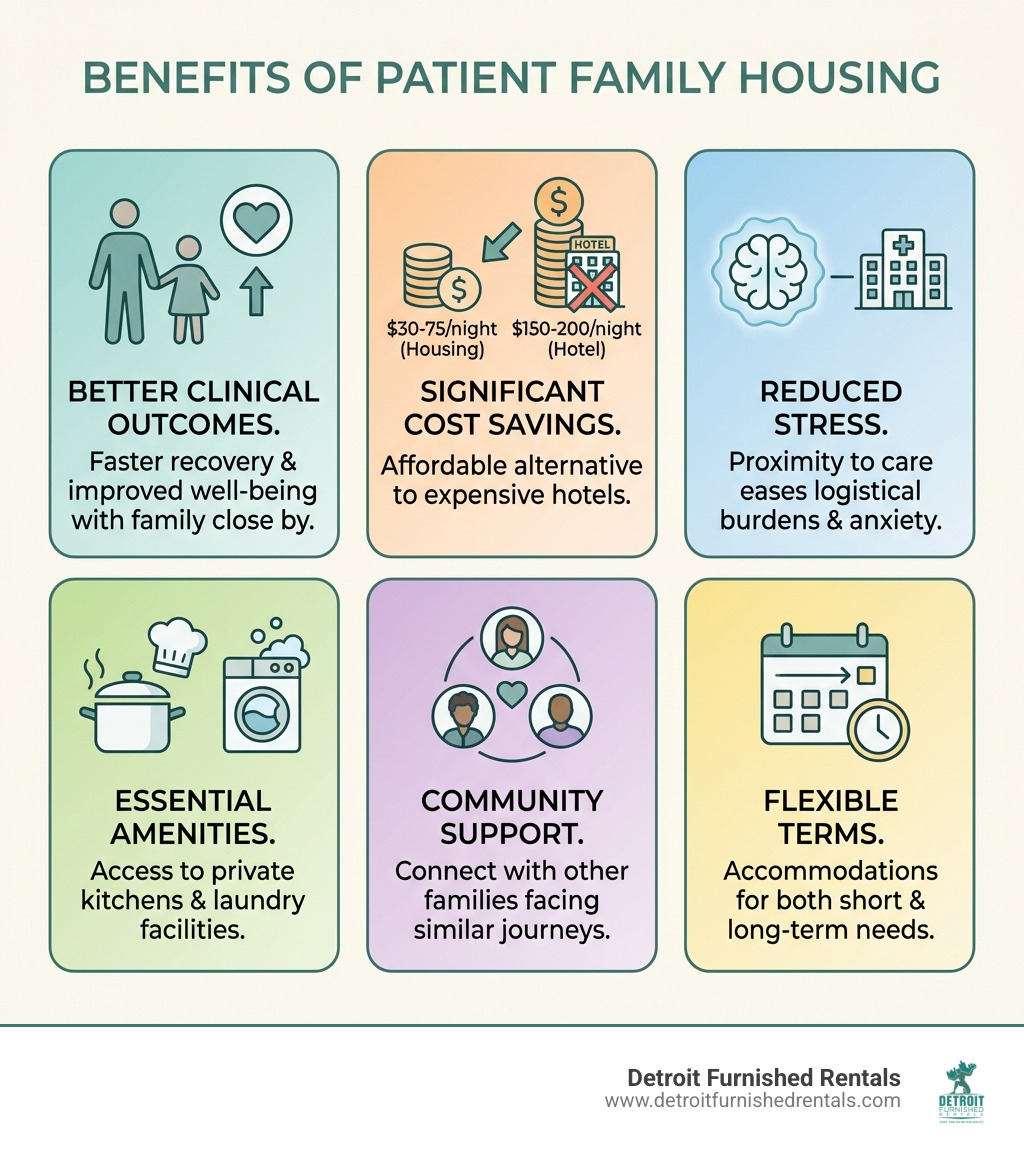
Patient family housing programs exist to solve this problem. These specialized accommodations recognize a simple truth: healing happens better when families can stay together. Research consistently shows that having family nearby leads to better clinical outcomes. Patients recover faster, experience less anxiety, and feel more supported when their loved ones are close by.
The financial burden alone can be overwhelming. A typical hotel stay near a major hospital can cost $150-$200 per night. For families facing months of treatment, these costs quickly become unsustainable. Patient family housing programs offer relief, with many providing free or low-cost accommodations ranging from $30 to $75 per night—and sometimes at no cost at all.
Beyond the financial relief, these programs create community and normalcy during an abnormal time. Families meet others facing similar challenges. Children have safe spaces to play. Parents can prepare home-cooked meals in shared kitchens. The simple act of having a private space to rest, reflect, and recharge makes an enormous difference in a family’s ability to cope with medical challenges.
I’m Sean Swain, founder of Detroit Furnished Rentals, and I’ve spent years helping families find comfortable, affordable housing during difficult transitions. Through my work providing furnished rentals to medical professionals and families near Detroit’s major hospitals, I’ve seen how critical patient family housing is for families navigating the healthcare system.
Glossary for Patient family housing:
Why Patient Family Housing is Essential for Healing
When a loved one is undergoing critical medical treatment, their healing journey is significantly influenced by the presence and support of their family. Patient family housing is not just about providing a bed; it’s about fostering an environment where healing can thrive. We understand that being close to your loved one in a medical crisis is paramount, and these specialized housing options are designed to facilitate just that.

The importance of keeping families close during medical treatment cannot be overstated. Studies consistently show that patients with strong family support often experience better clinical outcomes. This isn’t just anecdotal; it’s backed by research indicating that having family nearby and actively participating in care plans leads to improved recovery rates and overall well-being. The emotional support that only family can provide acts as a powerful medicine, reducing anxiety for the patient and instilling a sense of hope and comfort.
Beyond the emotional benefits, patient family housing addresses practical challenges that can quickly become overwhelming. Facing a medical emergency or a long-term treatment plan far from home can mean exorbitant hotel costs, the stress of daily commutes, and the difficulty of maintaining a semblance of normal family life. By providing affordable, proximate accommodations, these programs alleviate significant logistical and financial burdens, allowing families to focus their energy on their loved one’s care rather than on basic survival logistics. This proximity to care ensures that families can be at the hospital quickly for updates, emergencies, or simply to spend precious time together, contributing directly to a more family-centered care approach.
The Benefits for Patients and Families
The advantages of patient family housing extend across multiple dimensions, impacting the mental, emotional, and even financial well-being of everyone involved.
For patients, knowing their family is nearby provides immense mental comfort and reduces feelings of isolation. This emotional stability can positively influence their response to treatment and their overall recovery journey. For family members, especially children, maintaining some routine and a sense of normalcy can be crucial during a turbulent time. Housing programs often offer common areas, play yards, and quiet spaces that allow families to decompress and connect with others facing similar struggles, fostering a vital sense of community and shared support.
Consider the cost savings. While the emotional benefits are priceless, the financial relief offered by patient family housing is tangible. With nightly rates typically ranging from free to about $75, these options are a stark contrast to commercial hotel rates that can easily exceed $150-$200 per night. For extended treatments, these savings can be monumental, preventing families from incurring crippling debt. This allows families to direct their financial resources towards medical needs or simply to focus on their loved one’s recovery without the added stress of housing expenses.
How Housing Supports a Family-Centered Care Model
A family-centered care model recognizes the integral role of family in a patient’s health and healing process. Patient family housing is a cornerstone of this model. When families are housed close to the hospital, they can be more deeply involved in care plans, attend physician meetings, ask questions, and make informed decisions alongside the medical team. This constant presence and engagement lead to improved communication between medical staff and families, ensuring that the patient’s needs and preferences are fully understood and respected.
Moreover, having a comfortable “home away from home” allows families to maintain their routines, prepare healthy meals, and get adequate rest, all of which contribute to their ability to provide consistent support to the patient. This supportive environment empowers families to advocate for their loved ones and participate actively in their recovery, truly embodying the principles of shared decision-making. We believe that when families are strong and supported, patients have the best chance at healing.
Types of Accommodations and Common Amenities
Finding the right place to stay is a critical step for any family navigating a medical journey in Detroit. Fortunately, various types of patient family housing cater to different needs and budgets, each offering a unique set of amenities designed to provide comfort and convenience.
Generally, you’ll find a few main categories: hospital-affiliated guest houses, non-profit hospitality homes, and private furnished rentals. Each plays a vital role in supporting families, but they differ in structure, cost, and the services they provide.
Exploring Different Patient Family Housing Options
In Detroit, as in other major medical hubs, families have several avenues for temporary lodging.
- Hospital-run facilities: Some larger healthcare systems may offer their own guest houses or partner with nearby hotels to provide discounted rates for patients and their families. These are often located very close to the hospital, sometimes even on campus, offering unparalleled convenience.
- Non-profit programs: Organizations often provide free or low-cost housing for families. These programs typically rely on donations and volunteer support to operate. They often focus on specific patient populations, such as children undergoing treatment for serious illnesses. While they may not have specific locations in Detroit listed in our immediate research, the model of such programs is common across the nation, providing a compassionate “home away from home” for many. You can explore how such organizations provide essential support for families through the American Cancer Society Patient Lodging Programs.
- University guest houses and hotel partnerships: University medical centers frequently have relationships with local hotels or operate their own guest houses, often offering special medical rates. These partnerships can provide convenient stays for families of patients, and it’s worth asking a hospital social worker about available medical discounts in the area.
- Private furnished rentals: This is where we come in! For families seeking more privacy, flexibility, and a true home-like environment, private furnished rentals offer an excellent solution. Our properties in Detroit provide all the comforts of home, often with more space and amenities than a hotel, making them ideal for extended stays. These can be particularly beneficial for those who prefer an independent living situation while still being close to leading medical facilities like Henry Ford Hospital or the DMC Detroit Medical Center.
Key Amenities to Look For
Regardless of the type of patient family housing you choose, certain amenities can significantly improve your stay and reduce stress. We’ve seen what makes a difference:
- Private bedrooms and baths: Essential for comfort and personal space, especially during stressful times.
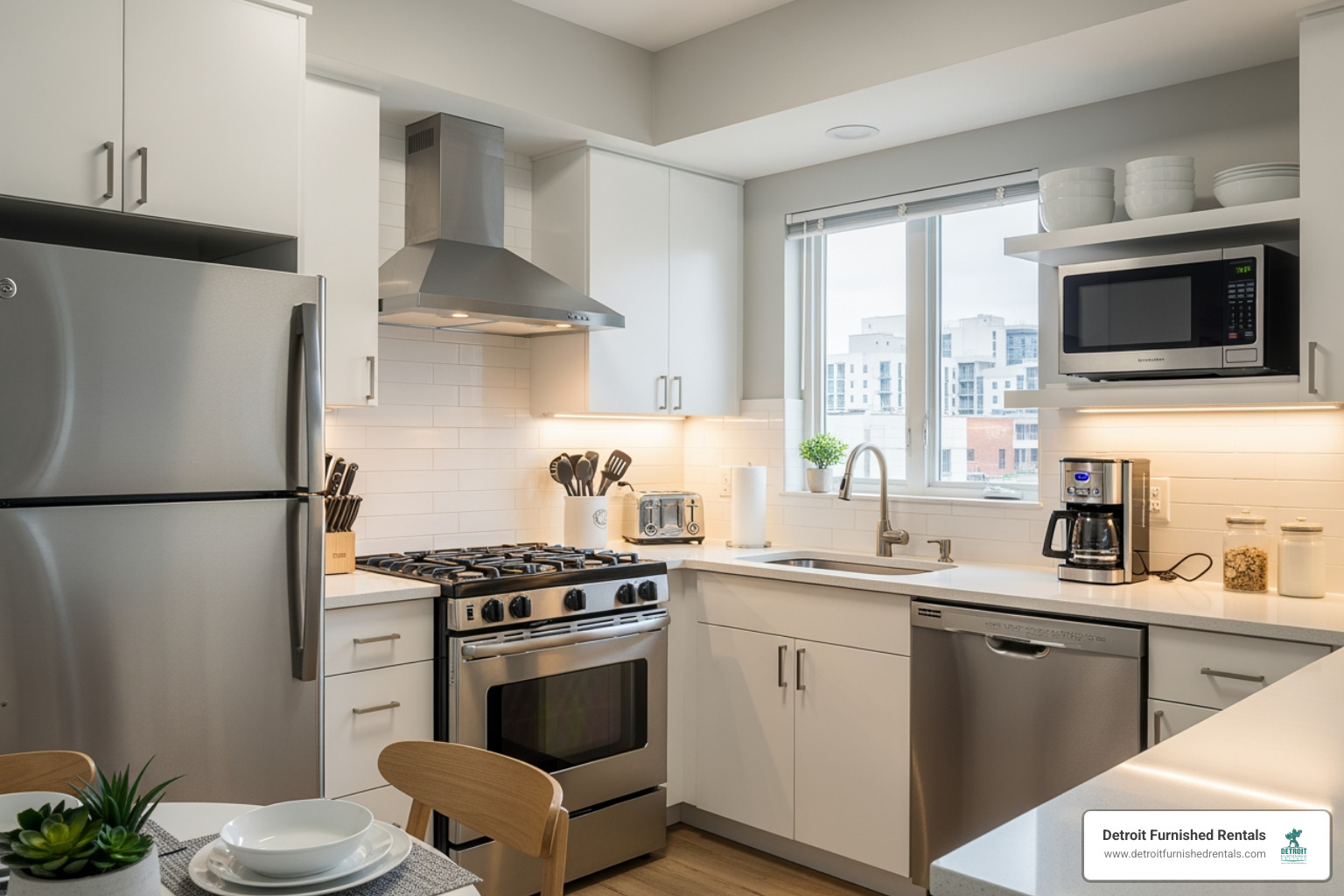
- Communal or fully equipped kitchens: Having access to a kitchen allows families to prepare home-cooked meals, which is not only cost-effective but also crucial for dietary needs and a sense of normalcy. Many programs offer large communal kitchens stocked with cookware and a full pantry. Our furnished rentals, for example, boast fully equipped kitchens, perfect for families.
- Laundry facilities: Access to washers and dryers is a godsend for long stays, helping families manage daily needs without added expense or inconvenience.
- Wi-Fi and workspaces: Staying connected with work, school, and distant family is important. Dedicated workspaces are a bonus for parents who need to maintain some professional responsibilities.
- Play areas for children: For families with pediatric patients, a safe and engaging space for children to play and unwind can make a world of difference. Some facilities even include play yards.
- Support services: Many programs offer support, whether it’s through staff, volunteers, or by fostering a community among guests.
- Pet-friendly options: For many, pets are family. Finding accommodations that welcome furry friends can be a significant comfort during a challenging time. We pride ourselves on offering pet-friendly options in our Detroit furnished rentals.
- Furnished Rentals Near Hospitals in Detroit are designed with these key amenities in mind, ensuring a comfortable and convenient stay.
Navigating the System: How to Find and Secure Housing
The process of finding and securing patient family housing can seem daunting, especially when you’re already under the stress of a medical situation. However, understanding the system and knowing who to turn to can make a significant difference.
A crucial resource in this journey is the hospital’s social work department or patient navigators. These professionals are experts in connecting families with essential services and resources. They can assess your specific needs, guide you through eligibility requirements, and often provide direct referrals to housing programs. Many programs, particularly non-profit hospitality homes, require a referral from a social worker or the patient’s medical team. This ensures that the housing is allocated to those who need it most and are genuinely undergoing treatment.
The application and reservation process varies depending on the type of housing. For hospital-affiliated or non-profit programs, it typically involves submitting an application, often requiring medical verification. Reservation staff then coordinate placements, sometimes with a waiting list, especially for highly sought-after, low-cost options. For private furnished rentals like ours, the process is usually more straightforward, often involving online applications and direct booking, similar to traditional rental procedures but with the added flexibility of short-term leases.
Eligibility Criteria for Patient Family Housing
Eligibility for patient family housing programs is designed to ensure resources go to families who genuinely need them and are traveling for care. While criteria can differ, some common factors include:
- Distance from the hospital: Most programs require families to live a certain distance away from the medical center—often 30, 35, or even 50 miles. This ensures that the housing serves those who cannot easily commute from home.
- Patient’s medical condition and treatment duration: Housing is typically reserved for families of patients undergoing serious, long-term, or critical care. This could be for cancer treatment, organ transplants, or other complex medical needs.
- Financial need: Many low-cost or free programs prioritize families demonstrating financial hardship, making essential medical care more accessible.
- Referral from the medical team: As mentioned, a referral from a social worker or medical staff is a common requirement, verifying the patient’s treatment needs and the family’s need for housing.
It’s important to speak with a social worker at your loved one’s hospital in Detroit to understand the specific eligibility requirements for local programs.
Understanding the Costs
The cost associated with patient family housing is a major concern for many families, and programs aim to alleviate this burden.
- Free housing: Some highly specialized programs, particularly those for pediatric patients with life-threatening illnesses, offer accommodations at no cost. These are invaluable resources for families facing immense medical expenses.
- Low-cost options: Many programs provide housing at significantly reduced rates, often ranging from $30 to $75 per night. These rates are a fraction of what a commercial hotel would charge and are designed to be affordable for families during extended stays.
- Suggested donations: In some non-profit models, families may be asked for a suggested donation per night, rather than a fixed fee. This allows families to contribute what they can afford while still receiving vital support. For example, some hospitality homes suggest a donation of around $25 per night.
- Discounted rates: For those who opt for hotel partnerships, discounted medical rates are often available, sometimes offering a percentage off the standard rate.
- Private furnished rentals: While typically not free, our furnished rentals offer competitive rates for short and mid-term stays, often proving more cost-effective than extended hotel stays, especially when considering the included amenities like a full kitchen. We also offer solutions for medical professionals, and you can find More info on housing for medical professionals which shares similarities in providing flexible, furnished options.
The financial relief provided by these diverse options is a key benefit, allowing families to focus on recovery rather than mounting bills.
Special Considerations for Medical Stays in Detroit
When planning a medical stay in Detroit, families face unique logistical challenges. Beyond finding a place to sleep, considerations like transportation, proximity to treatment centers, and the specific needs of patients, especially those with compromised immune systems, become paramount. Our Detroit Area Hospitals Guide can be a valuable resource for initial planning.
Housing for Immunocompromised Patients
For families with immunocompromised patients, such as those undergoing chemotherapy or organ transplants, housing considerations take on an even greater importance. The goal is to minimize exposure to germs and maintain a sterile environment.
- Controlled rooms and air quality: Some specialized patient family housing facilities are designed with controlled rooms and conduct regular air quality testing to ensure a safer environment. While communal living spaces might pose a risk, private furnished rentals offer a significant advantage here.
- Private living spaces: Our furnished rentals provide completely private living spaces, reducing the risk of exposure to external pathogens compared to shared communal facilities. This privacy extends to bedrooms, bathrooms, and kitchens.
- Improved cleaning protocols: We prioritize rigorous cleaning and sanitization protocols in our properties, offering peace of mind for families needing a pristine environment. This allows families to manage the patient’s environment more effectively and reduce exposure risks.
Logistical Planning: Transportation and Proximity
Detroit’s sprawling layout and diverse hospital systems necessitate careful logistical planning. Proximity to the hospital is often a deciding factor in choosing patient family housing.
- Hospital shuttle services: Some hospitals offer shuttle services between their facilities and affiliated housing or parking areas. This can be a huge convenience, eliminating the need for personal transport.
- Public transportation: Detroit has public transportation options, though their coverage and efficiency might vary depending on the specific hospital location. Researching routes and schedules in advance is advisable.
- Parking considerations: Parking near major hospitals in Detroit can be expensive and challenging to find. Choosing housing with dedicated parking or easy access to hospital parking can save significant stress and cost.
- Walking distance: For ultimate convenience, finding housing within walking distance of the hospital is ideal. This minimizes travel time, especially for frequent visits or emergencies.
- Proximity to key Detroit hospitals: We understand the importance of location. Our furnished rentals are strategically located to provide easy access to major medical centers in Detroit. Whether your loved one is at Henry Ford Hospital, the DMC Detroit Medical Center, or another facility like those covered in our Detroit Hospital Systems Complete Guide, we aim to offer convenient and comfortable options. While hospitals often provide lists of local lodging, these typically feature standard hotels that may not offer the space, privacy, or amenities of a true home away from home.
Frequently Asked Questions about Patient Family Housing
We know you have many questions, and we’re here to provide clear, helpful answers based on our experience and the broader understanding of patient family housing programs.
How far in advance should I apply for housing?
The ideal time to apply for patient family housing can vary significantly depending on the program and location. Generally, we recommend applying as soon as your medical appointments or treatment schedule is confirmed. Some programs accept applications up to four months in advance, allowing you to secure your spot well ahead of time. For instance, a well-known children’s hospital program recommends submitting applications up to four months prior to the hospital stay.
However, we also understand that medical situations can arise unexpectedly. While “night-of” requests may sometimes be accommodated, they are rarely guaranteed due to high demand and limited availability. It’s always best to plan ahead if possible, but if you find yourself in an urgent situation, don’t hesitate to reach out to potential housing providers immediately. For our furnished rentals, we offer flexible booking options that can often accommodate shorter-notice needs, depending on availability.
What role do social workers play in finding housing?
Social workers and patient navigators are indispensable resources in connecting families with appropriate patient family housing. Think of them as your primary guides through the often-complex healthcare system. Their role is multifaceted:
- Needs assessment: They are trained to assess your family’s unique needs, including financial situation, medical requirements, and specific preferences for housing.
- Referral and eligibility guidance: Many non-profit and hospital-affiliated housing programs require a referral from a social worker or the patient’s medical team. Social workers know the specific eligibility criteria for various programs and can help you steer the application process, ensuring you meet the necessary conditions. For example, a children’s hospital program in Los Angeles states that eligibility is determined by the child’s medical team in conjunction with agency staff.
- Advocacy: They act as advocates for families, helping to communicate your needs to housing providers and assisting with any challenges that may arise during your stay.
- Resource connection: Beyond housing, social workers can connect you with other essential support services, such as transportation assistance, financial aid, and emotional counseling.
We highly recommend contacting the social work department at your loved one’s Detroit hospital as one of your very first steps in seeking patient family housing.
How can I support patient housing initiatives?
Supporting patient family housing initiatives is a wonderful way to give back and help other families during their most vulnerable moments. These programs often rely heavily on community generosity. Here are several ways you can contribute:
- Financial donations: Direct financial contributions are always appreciated and help cover operational costs, maintain facilities, and subsidize stays for families in need. Many non-profit programs are 501(c)(3) organizations that rely on donations from individuals, community organizations, and businesses. You can often find links to donate on their websites, such as this donations page for a family house program.
- Volunteering time: Many patient family housing programs thrive on volunteer support. This could involve anything from administrative tasks, helping with check-ins, light maintenance, or even providing emotional support to guests.
- Donating meals or supplies: Providing home-cooked meals for families staying in communal housing can be a huge comfort. Donations of pantry staples, toiletries, cleaning supplies, or even gift cards for groceries are also incredibly helpful. Some programs specifically mention the ability for volunteers to donate meals or organize activities for families.
- Supporting fundraising events: Participate in or help organize fundraising events. These events are crucial for raising awareness and securing the necessary funds to keep programs running.
- Spreading awareness: Simply sharing information about the importance of patient family housing and the programs available can help connect families in need with vital resources.
Every contribution, big or small, makes a tangible difference in the lives of families facing medical crises. You can also explore broader support services for individuals navigating medical journeys through resources like Support Services for Your Cancer Journey by the American Cancer Society, which highlights ways to get involved. Additionally, understanding the broader context of Health Care and Current Immigration Policies can sometimes reveal avenues for systemic support or areas where advocacy is needed.
Conclusion
The journey through serious illness or long-term medical treatment is undoubtedly one of life’s greatest challenges. In these moments, the ability to stay close to loved ones, maintain a sense of normalcy, and find comfort in a “home away from home” becomes not just a convenience, but a critical component of healing. Patient family housing programs, in their various forms, stand as pillars of support, reducing stress, alleviating financial burdens, and fostering a family-centered care model that demonstrably leads to better outcomes.
From hospital-affiliated guest houses to non-profit hospitality homes, and the flexible, private options offered by furnished rentals, the goal remains the same: to provide stability and comfort when it’s needed most. We’ve explored how these programs address unique needs, from accommodating immunocompromised patients to managing logistical considerations like transportation and proximity to Detroit’s leading hospitals.
For families seeking private, pet-friendly accommodations with full kitchens and dedicated workspaces near Detroit’s top hospitals, Detroit Furnished Rentals offers flexible solutions. We understand the importance of a comfortable, supportive environment during a medical stay, and we are committed to providing that much-needed solace.
Find your ideal travel nurse or patient family housing today