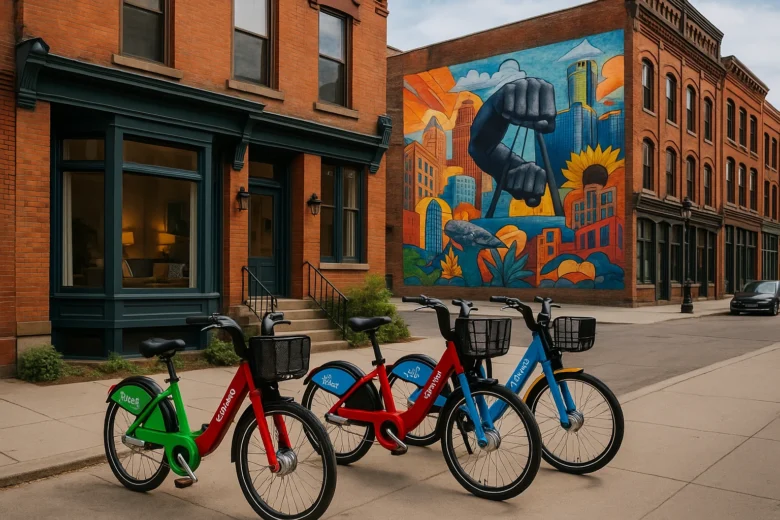
Introduction to Detroit’s Iconic Landmarks
Detroit, often dubbed the “Motor City,” is a vibrant metropolis with a rich tapestry of history and culture. This urban canvas is adorned with a variety of landmarks that tell the story of its industrious past, artistic present, and promising future. As you wander through the streets, you’ll find that each structure, park, and monument contributes to the city’s unique narrative—a narrative that has captivated both residents and visitors alike.
Among the plethora of attractions, some landmarks in Detroit stand out for their architectural brilliance and historical significance. Take, for example, the majestic Fisher Building, an Art Deco masterpiece completed in 1928. Designed by Albert Kahn, often hailed as “the architect of Detroit,” the building’s ornate interior and towering presence make it a must-visit for architecture enthusiasts. Its vibrant story is a slice of Detroit’s Golden Era, reminding us of the city’s once booming automotive industry.
Meanwhile, Detroit’s cultural heartbeat can be felt at the Detroit Institute of Arts (DIA), which houses an extensive collection of art from around the world. The museum boasts over 65,000 artworks by renowned artists, including Vincent van Gogh and Diego Rivera. Rivera’s Detroit Industry Murals are a highlight, offering a powerful depiction of the city’s manufacturing prowess and the human effort behind it. This landmark is not only a visually stunning locale but also an educational treasure trove for art lovers and history buffs alike.
Beyond these historic sites, Detroit is also home to longstanding venues like the Fox Theatre. Opened in 1928, this opulent theater has hosted countless performances, from Broadway shows to rock concerts, becoming a cornerstone of Detroit’s vibrant entertainment scene. The Fox Theatre’s architecture and acoustics continue to leave audiences in awe, maintaining its status as a cultural beacon in the heart of downtown Detroit.
For those interested in the interplay between history and modern development, exploring the city’s landmarks offers a profound journey into understanding Detroit’s past and present. This exploration can be complemented by experiencing the city’s residential options, such as the Detroit Motown Loft, which offers a unique blend of historical charm and contemporary living.
In summary, Detroit’s landmarks are more than just physical spaces; they are windows into the soul of the city, reflecting its evolution over the decades. Whether you are a history enthusiast, an art lover, or simply a curious traveler, these iconic sites promise a rich tapestry of experiences.
Architectural Marvels of Detroit
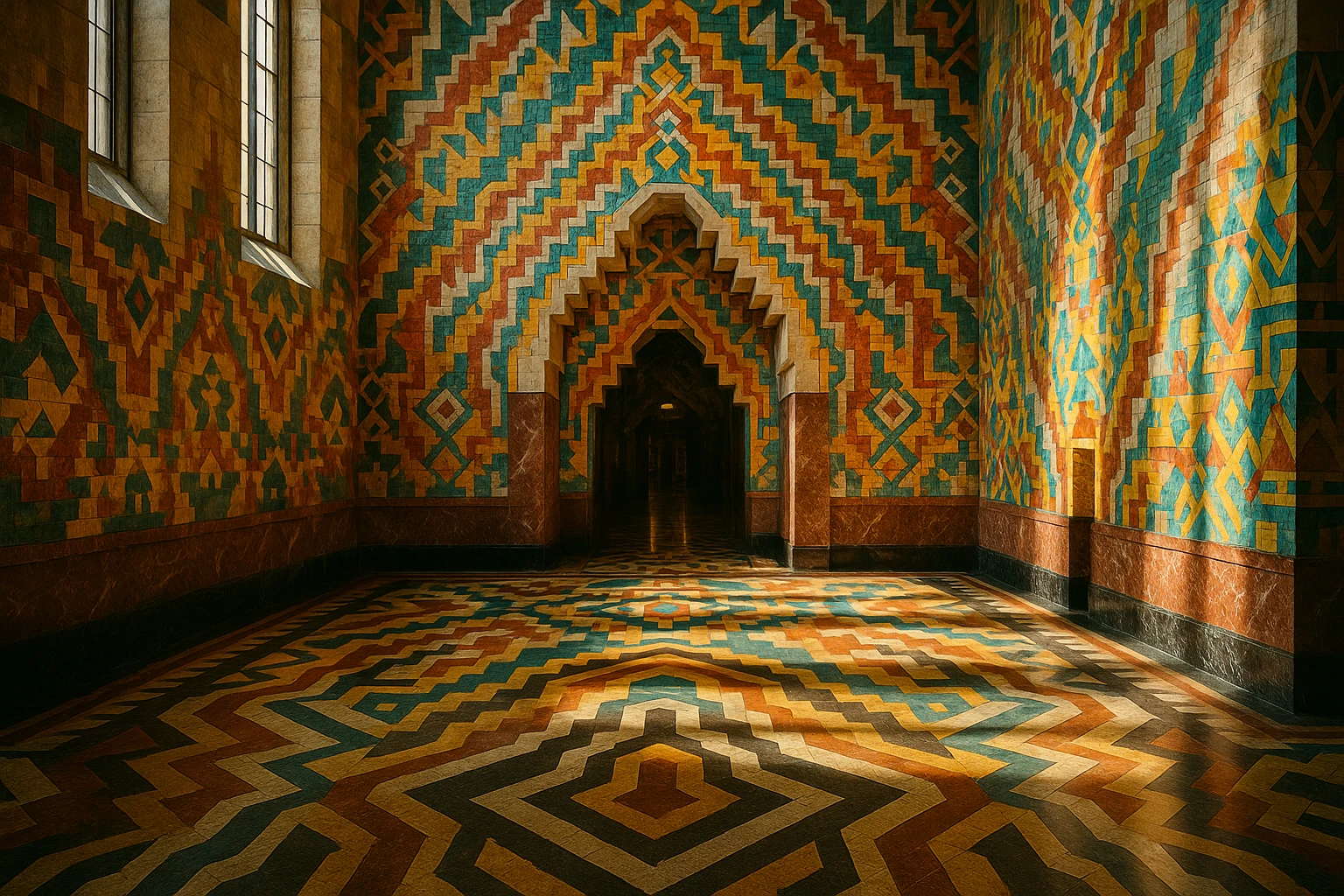
Detroit is a city marked by its architectural brilliance, embodying the spirit of innovation and resilience. Among the city’s famed landmarks, the Guardian Building stands as a testament to art deco design. Completed in 1929, this skyscraper is renowned for its colorful mosaics and intricate tile work, making it an architectural gem of the early 20th century. The forty-story building, often referred to as the “Cathedral of Finance,” showcases stunning interior designs that reflect both Native American and Aztec influences.
While the Guardian Building captures the vibrant art deco era, the Fisher Building resonates with the elegance of the Roaring Twenties. Designed by Albert Kahn and completed in 1928, this building is a multifaceted landmark that includes theaters, offices, and retail spaces. Its marble-clad corridors and hand-painted ceilings draw both tourists and architectural enthusiasts alike. Recognized as a National Historic Landmark, the Fisher Building continues to be a focal point in Detroit’s skyline.
Revitalization of Historic Structures
The architectural landscape of Detroit is not only about preserving the past but also giving old structures new life. One prime example is the Michigan Central Station. Once the world’s tallest train station, this Beaux-Arts structure lay dormant for decades. Recently, it has undergone significant revitalization efforts, with plans to transform it into a hub for innovation and technology. These efforts are part of a broader initiative to rejuvenate Detroit’s urban core, attracting both locals and visitors to explore its historical depth.
For insights into Detroit’s architectural revival efforts, you might consider visiting Your Ticket To History Visiting Detroit’s Revitalized Michigan Central Station. This resource provides a thorough look at the ongoing transformation of this iconic building.
Detroit’s Art and Culture Hubs
In addition to its historical buildings, Detroit is celebrated for its thriving art scene. The Detroit Institute of Arts (DIA) houses one of the largest and most significant art collections in the country. Its extensive range of works, from ancient art to contemporary creations, offers a profound glimpse into the cultural fabric of the city. The DIA’s famous Detroit Industry Murals by Diego Rivera illustrate the city’s industrial might and artistic creativity.
Similarly, the Heidelberg Project exemplifies Detroit’s dedication to community-led artistic expression. This outdoor art environment, created by artist Tyree Guyton, transforms discarded objects into vibrant installations. It aims to inspire social change through creativity and has become one of the most visited and talked about landmarks in Detroit.
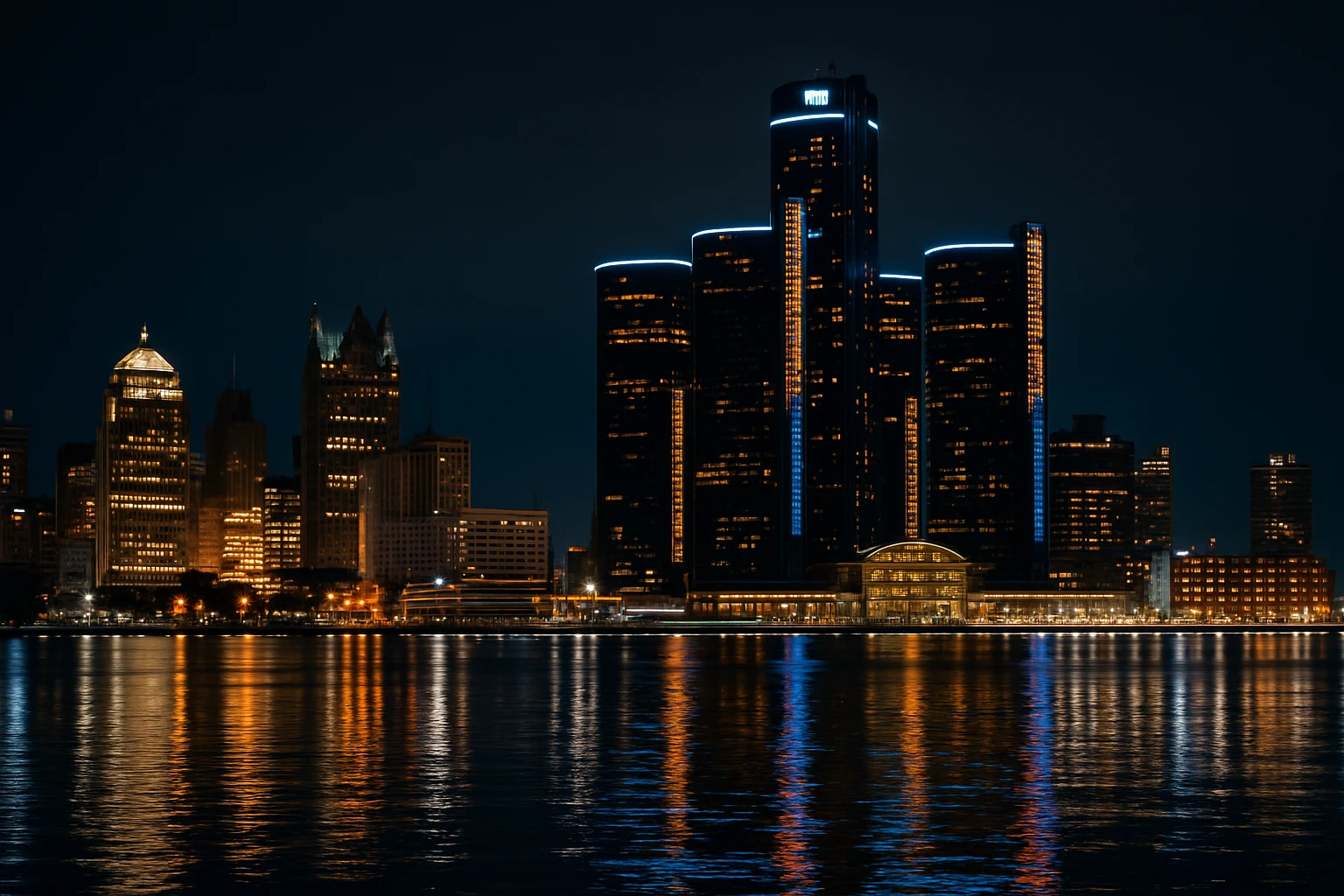
The Evolution of Detroit’s Architectural Landmarks
Detroit’s skyline is a testament to the city’s rich history and evolving culture, where historic and modern architecture coexist seamlessly. Among the key landmarks in Detroit that reflect this blend is the Guardian Building. Completed in 1929, the Guardian Building is a striking example of Art Deco architecture. Nicknamed the “Cathedral of Finance,” it features an intricate mosaic lobby and vibrant tilework that draw both tourists and architecture enthusiasts alike. Visitors to the Guardian Building can enjoy guided tours that delve into its rich history and architectural significance.
Another architectural gem is the Detroit Institute of Arts (DIA), which houses one of the most significant art collections in the United States. With over 65,000 artworks, the DIA’s collection spans the globe, with masterpieces ranging from ancient Egyptian to contemporary art. The DIA plays a crucial role in community engagement by offering educational programs and interactive exhibits. For those relocating to the city, easy access to such cultural landmarks can be a significant factor. Resources like The Art Of Living provide insights into convenient living arrangements near these cultural hubs.
Another must-visit site is the historic Fox Theatre. Opened in 1928, the Fox Theatre is one of the largest surviving movie palaces of the 1920s, and it’s renowned for its extravagant design and acoustics. Today, it hosts a variety of events ranging from top-tier concerts to Broadway shows, making it a pillar of Detroit’s vibrant entertainment scene. For more information on events and accommodation options, many professionals turn to platforms like Detroit Furnished Rentals to enhance their experience.
Each of these landmarks reflects a different era in Detroit’s growth, offering a glimpse into the city’s past and present. Whether visiting for a short stay or considering a more extended relocation, Detroit’s architectural landmarks provide not only aesthetic delight but also a deeper connection to its illustrious history and dynamic culture. The city continues to evolve, with new developments complementing its historic beauties, ensuring that Detroit remains a captivating destination for all who visit.
Campus Martius Park and Riverfront Revival
Shifting seamlessly from historic anchor points, Detroit’s revitalized public spaces are emblematic of how modern placemaking builds on legacy. Campus Martius Park, for instance, reopened in 2004 as a $20 million urban oasis featuring green granite walls, horticultural design, and crushed limestone pathways. It now draws over 2 million visitors annually, serving as both a peaceful retreat and a central gathering place in the heart of downtown life Downtown Detroit Partnership.
The nearby Riverfront complements this with summer concerts, winter ice skating, and sweeping views of the Detroit River, anchoring the city’s waterfront identity. These spaces illustrate how placemaking driven by cultural intent and aesthetic design can reinforce Detroit’s evolving narrative.
The Renaissance Center’s Architectural and Economic Role
Moreover, the bold silhouette of the GM Renaissance Center remains one of Detroit’s most powerful architectural symbols. Comprising seven interconnected towers, including a 73-story central skyscraper, it dominates the skyline and represents a critical node of both aesthetic and economic resurgence. Its renovation in the mid‑1990s signaled a renewed corporate commitment to downtown revitalization ULI Case Studies.
Looking ahead, this focal point is transitioning toward new uses; as GM has relocated, opportunities arise for adaptive reuse that could further reshape Detroit’s urban fabric—whether through public spaces, mixed-use development, or cultural venues.
Piquette Avenue Plant and Cultural Heritage
Building an emotional continuity with Detroit’s automotive legacy, the Ford Piquette Avenue Plant stands today as the oldest purpose-built auto factory open to the public. In 2018 it welcomed over 31,000 visitors, drawing history lovers and car enthusiasts alike to experience the birthplace of the Model T and Henry Ford’s design studio Wikipedia.
Its preservation offers a tangible link to innovation and the working-class roots that powered Detroit’s rise, giving visitors a visceral sense of the industrial breakthroughs that shaped modern America.
Bridging the Past and the Future
In these examples—from green public spaces to iconic architecture and industrial heritage—Detroit demonstrates a layered approach to revitalization. Each landmark not only honors its history but also functions as a catalyst for economic activity, cultural engagement, and civic pride.
Travelers exploring landmarks in Detroit can gain the most from combining visits to historic sites like the Piquette Avenue Plant with experiences at spaces like Campus Martius or the Riverfront. This balance underscores how Detroit is a city that continually reinvents itself—yet remains deeply rooted in the narratives that define it.
Conclusion: Embracing Detroit’s Iconic Landmarks
Detroit’s vibrant culture and storied history are vividly captured through its diverse array of landmarks. From the architectural grandeur of the Guardian Building to the innovative spirit embodied by the Michigan Science Center, each location offers a glimpse into the city’s unique past and dynamic future. These landmarks in Detroit are pivotal not only for their aesthetic appeal but also for their ability to inspire community connections and drive economic growth.
For residents and visitors alike, exploring these sites can deepen appreciation for Detroit’s rich cultural tapestry. Whether you’re walking through the historic corridors of the Detroit Institute of Arts or marveling at the cutting-edge installations at the Henry Ford Museum, each experience contributes to a deeper understanding of the city’s identity. Business leaders and planners can also tap into these landmarks’ potential to foster tourism and community engagement, positioning Detroit as a key player on both national and international stages.
One actionable insight is the potential role of these landmarks in educational initiatives. Schools and educational institutions can design curriculum-linked activities that incorporate visits to these sites, thereby enhancing students’ learning experiences through exposure to real-world applications of art, science, and history. Similarly, local businesses can forge partnerships with these cultural icons to host unique events and collaborations, driving foot traffic and increasing visibility.
For those seeking to connect with the heart and soul of Detroit—or perhaps to embed themselves within the city’s dynamic landscape—using strategic resources can be immensely beneficial. Consider exploring opportunities with Detroit Furnished Rentals to find integral lodging solutions while you immerse yourself in the city’s landmark destinations.
In summary, Detroit’s landmarks are more than mere structures; they are living chronicles of a city’s evolution. As we embrace these iconic places, we not only honor the past but also shape the future. Engaging with these sites is an enriching endeavor, with the potential to drive not just personal experiences but also broader community development. Whether you’re a visitor, resident, or business leader, leveraging the beauty and cultural weight of these landmarks can be a transformative journey.
Article Generated by Rankaria