Introduction
Amidst a city renowned for its automotive heritage and musical legacy, Detroit’s soul truly shines through its array of thoughtfully crafted public tributes. Among these, iconic structures and art pieces beckon visitors and residents alike to reflect on the city’s journey. For instance, the 26-foot-tall bronze sculpture placed outside the Coleman A. Young Municipal Center has become emblematic of the city’s resilient identity—an enduring symbol of Detroit’s communal spirit Wikipedia. Similarly, the Soldiers and Sailors Monument, towering over Campus Martius Park, has stood since the 19th century in honor of Michigan’s Civil War veterans, its presence weaving together memory and civic pride Wikipedia.
Blending artistry with historical significance, Detroit’s landmarks showcase a fascinating dichotomy of remembrance and reinvention. Take the Monroe Street area, where the Alexander Macomb statue, commemorating a Detroit-born military leader of the early 1800s, stands in solemn tribute, inviting contemplation about the complexities of local history Wikipedia. Equally compelling is the James Scott Memorial Fountain on Belle Isle Park—an audacious Beaux‑Arts creation that spans more than 500 feet and features elaborate sculptures of lions, turtles, and cherubs, funded under a cloud of controversy yet still an arresting spectacle Wikipedia and Visit Detroit.
Beyond individual monuments, the broader scale of these tributes contributes to the city’s narrative of transformation. Restored landmarks like the Michigan Central Station, once a derelict ruin and now a reimagined hub for mobility innovation, encapsulate Detroit’s spirit of renewal and ambition Visit Detroit. These pieces—ranging from statues to architectural marvels—are not merely destinations for tourists, but vibrant reminders of Detroit’s layered identity.
Integrating such stories into the fabric of short‑term rentals offers a compelling way to deepen guests’ cultural immersion. Whether staying near Hart Plaza or Belle Isle, travelers can step outside and immediately engage with living history. For readers intrigued by curated accommodations that blend comfort with local charm, the elegant design ethos featured in Detroit Artsy Industrial Loft complements the striking urban tapestry surrounding these landmarks.
In the following sections, you’ll uncover deeper layers of Detroit’s monuments—from their artistic origin stories and architectural styles to how they shape civic identity and visitor experience. This exploration highlights not just what to see, but why these sites continue to shape the city’s evolving narrative.
Artistic Origins and Architectural Styles
Diving into the artistic origins of Detroit’s monuments reveals a tapestry woven with cultural and historical significance. Many of these monuments were conceived during the late 19th and early 20th centuries, a period marked by artistic vibrancy and industrial growth. The Spirit of Detroit, crafted by Marshall Fredericks in 1958, stands as a defining symbol of the city’s tenacity and industrial roots. This bronze sculpture exemplifies mid-century modernism, emphasizing fluid forms and dynamic energy, and is one of the most photographed spots for visitors and locals alike.
Neoclassical Influence
The neoclassical style has a significant presence among Detroit monuments, drawing inspiration from ancient Greek and Roman architecture. One notable example is the Detroit Institute of Arts, whose façade is adorned with majestic columns and grand porticos. Such designs reflect a reverence for classicism, embodying cultural permanence and societal advancements. Additionally, the iconic Wayne County Building, with its Corinthian columns and triangular pediments, showcases how neoclassical architecture permeates civic identity through its grandeur and elegance.
Modern Interpretations
Contemporary monuments in Detroit blend modern architectural principles with traditional themes, providing a fresh perspective on historical narratives. The Michigan Soldiers’ and Sailors’ Monument, originally completed in 1872, has been juxtaposed with modern design elements over the years, reflecting a balance between historical reverence and contemporary aesthetics. This monument celebrates those who served in the Civil War and stands prominently in Campus Martius Park, anchoring the bustling Detroit downtown area.
Beyond their aesthetic appeal, these monuments significantly impact visitor experiences. They serve as focal points in the urban landscape, inviting tourists to explore the stories and historical contexts they represent. Discovering these landmarks offers an immersive journey through time, revealing Detroit’s enduring spirit of innovation and resilience.
Planning your visit? Consider staying at the Detroit Artsy Industrial Loft, conveniently located near some of the city’s most renowned monuments. This accommodation choice enhances the cultural exploration with its proximity to key sites.
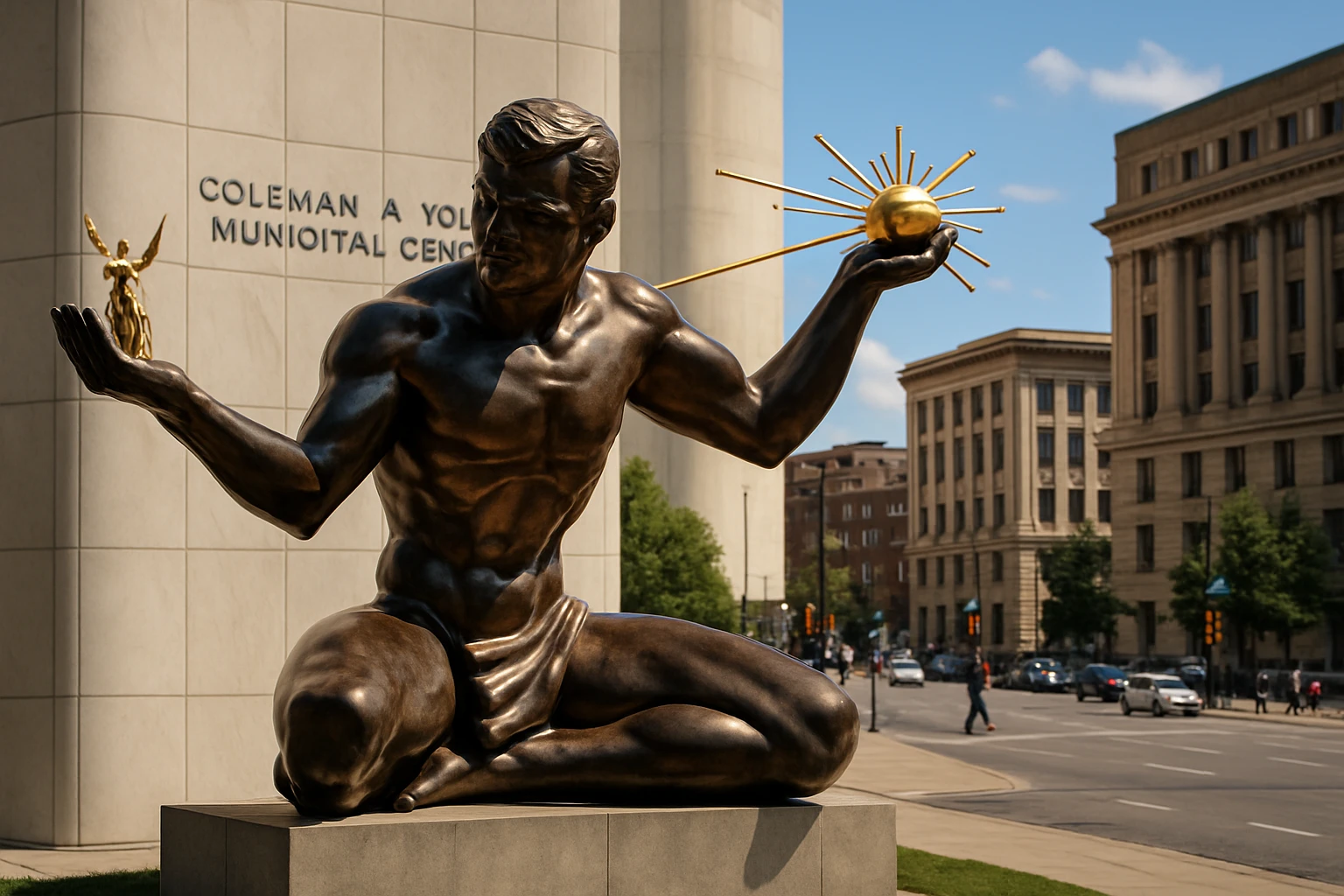
The Spirit of Detroit: A Symbol of Community and Unity
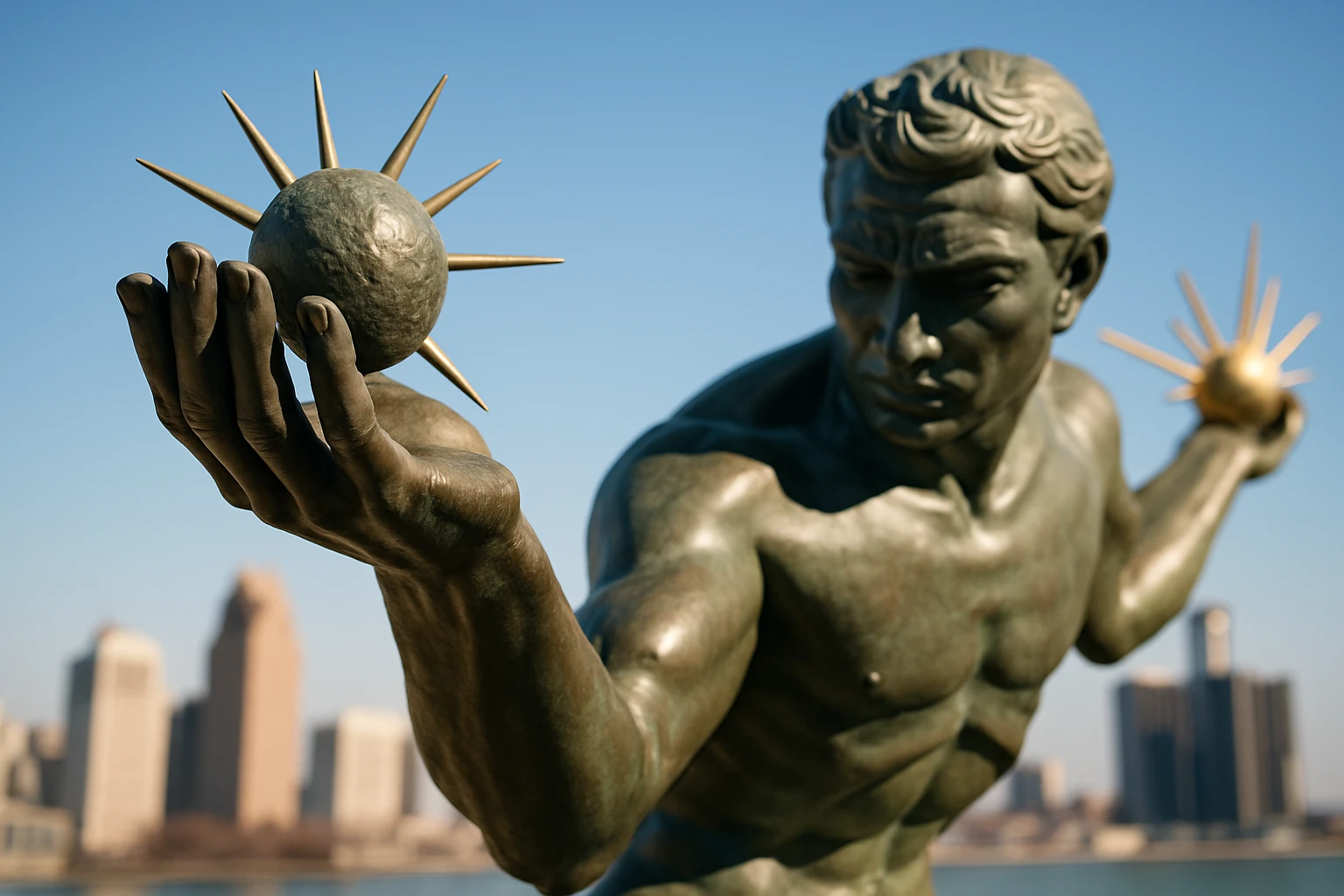
Among the most iconic Detroit Monuments and Landmarks is The Spirit of Detroit sculpture, located in the heart of the city. Crafted by renowned artist Marshall Fredericks, this monumental bronze statue stands at a commanding 26 feet tall. It depicts a man clutching a sphere in one hand and a family group in the other, symbolizing human relationships and the divine. This artwork, situated outside the Coleman A. Young Municipal Center, captures the essence of Detroit’s strength and unity, especially during challenging times.
The Cultural Significance
The Spirit of Detroit not only serves as a visual marvel but also holds deep cultural significance. Since its dedication in 1958, the statue has become a focal point for community events, gatherings, and celebrations. When local sports teams achieve playoff success, the statue is often adorned with jerseys, turning it into a cheerleader for the city. Such traditions showcase how the monument has been embraced by residents, fostering a sense of communal identity and pride.
Preservation Efforts
Preserving Detroit’s cultural heritage is crucial, and efforts to maintain The Spirit of Detroit exemplify this commitment. The city undertakes regular restoration projects to ensure the statue retains its lustrous appeal and structural integrity. For those inspired by these preservation efforts, a deeper understanding can be explored through resources like Visiting Detroit’s Revitalized Michigan Central Station, which delves into the broader scope of conservation across the city.
Impact on Tourism and Local Economy
The influence of Detroit Monuments and Landmarks extends to boosting local tourism. Each year, thousands of visitors flock to see The Spirit of Detroit. This influx supports local businesses, creating jobs and stimulating economic growth. For those planning an extended stay, options like Detroit Furnished Rentals provide convenient and comfortable accommodations, ensuring tourists have easy access to the city’s vibrant culture and historical sites.
As Detroit continues its resurgence, monuments like The Spirit of Detroit remain pivotal in shaping the city’s narrative. They serve as enduring symbols of resilience, unity, and cultural richness, bridging the city’s storied past with its promising future.
Exploring Iconic Detroit Monuments and Landmarks
Detroit offers an array of landmarks that reflect its diverse cultural and industrial heritage. Among these, the Monument to Joe Louis, commonly referred to as “The Fist,” stands as a powerful symbol of strength. Commissioned by Sports Illustrated magazine in 1986, the sculpture pays tribute to the legendary boxer Joe Louis and represents the indomitable spirit of the city. Standing at 24 feet, it embodies the fight against racial inequality and the triumph of personal perseverance.
Another notable site is the Detroit Institute of Arts, which not only houses an exceptional art collection but also features the Detroit Industry Murals by Diego Rivera. These murals, created between 1932 and 1933, have been declared a National Historic Landmark. Rivera’s work provides a visual feast that narrates Detroit’s industrial prowess and the intricate relationship between technology and humanity. The murals continue to captivate visitors, serving not just as art but as a historical document reflecting the city’s evolution.
The Renaissance Center: A Modern Marvel
Not all of Detroit’s landmarks are rooted in the distant past. The Renaissance Center, a distinctive complex of seven interconnected skyscrapers, represents the city’s modern economic revival. Serving as the headquarters for General Motors, the center is a prime example of urban renewal. With its towering glass facades, it offers panoramic views of the Detroit River and serves as a hub for business and leisure, including a variety of dining and entertainment options.
One cannot discuss Detroit’s landmarks without mentioning the Detroit People Mover, a unique elevated train that provides an extensive view of the downtown area’s architectural wonders. Offering both a convenient mode of transportation and a leisurely sightseeing tour, it showcases Detroit’s ongoing transformation.
Beyond the historical and modern landmarks, Detroit’s cultural scene thrives through events and performances that highlight its rich history and forward-looking mindset. Venues like the Fox Theatre host numerous concerts and plays, contributing to the city’s vibrant cultural tapestry. To explore the city’s thriving arts and cultural scene, consider visiting venues highlighted in Detroit’s Best Concerts and Plays.
Ultimately, the interaction between Detroit’s past and present makes its monuments and landmarks more than mere attractions. They serve as vital threads in the city’s fabric, connecting the complexities of its historical narrative with its ongoing story of revitalization.
Conclusion: Embracing Detroit’s Rich Legacy
As we explore the varied tapestry woven by Detroit’s monuments and landmarks, it’s clear that this city holds a unique position in American history. From the industrial prowess underscored by the grandeur of the Fisher Building to the artistic expressions captured by The Spirit of Detroit, each site offers a glimpse into the past and a vision for the future.
The insight gained from visiting these landmarks is not only educational but transformative. They foster a deeper appreciation for Detroit’s role as a cornerstone of industrialization and cultural innovation. Whether you’re a history aficionado, an architecture enthusiast, or a curious traveler, these sites provide a meaningful context to understand the spirit of resilience and creativity that defines Detroit.
Visitors and locals alike are encouraged to immerse themselves in these historical narratives by participating in guided tours or self-guided explorations. Engaging with the local community through these monuments promotes cultural preservation and supports ongoing restoration efforts. For those planning a visit, utilizing resources like Detroit Furnished Rentals ensures comfortable lodging close to these iconic sites, enhancing the overall experience.
Moreover, to enrich your stay further, consider exploring themed accommodations that resonate with Detroit’s historical vibe. Options such as the Detroit Nomad Pad offer a unique blend of modern comfort and historical essence, perfectly complementing your visit to the city’s landmarks.
In conclusion, the journey through Detroit’s landmarks is more than a sightseeing tour; it’s an invitation to connect with a city’s soul. By understanding and appreciating the depths of Detroit’s historical and cultural landmarks, we honor its past while shaping its future. So, take that first step and plan your visit today, tuning into the stories that make Detroit a city unlike any other.
Article Generated by Soogle