Introduction to People Movers: Enabling Seamless Urban Transit
In the bustling landscape of urban transportation, people movers play an increasingly crucial role in enhancing mobility and connectivity. With populations swelling and urban spaces becoming denser, efficient transportation systems are paramount. People movers offer a solution that is not only practical but incredibly effective, streamlining transit for thousands daily while reducing congestion. Understanding their impact is essential for cities aiming to modernize and improve their infrastructure.
The concept of people movers isn’t new, yet their application and relevance have grown significantly in the past few decades. Typically automated and operating on a fixed track, people movers are a staple in airports, urban centers, and even amusement parks. They represent an intersection of advanced engineering and user-focused design, offering a reliable alternative to traditional transit modes. For example, the Detroit People Mover, an automated light rail system, has been a vital part of Detroit’s transit network, connecting key locations while providing a smooth and uninterrupted journey.
One of the most compelling advantages of people movers is their ability to enhance connectivity between critical points in urban areas. Airports, such as Orlando International, utilize people movers to bridge terminals, significantly improving passenger flow and ease of navigation. This application showcases how people movers can transform large-scale transportation hubs into more navigable, user-friendly environments. The benefits extend to reducing the carbon footprint by alleviating the reliance on fossil fuel-powered vehicles within confined urban spaces.
Furthermore, the financial implications illustrate the value proposition of investing in people movers. According to industry reports, implementing these systems can lead to substantial savings through reduced congestion and improved traffic flow. The investment return is not only economic but also social, as these systems can significantly enhance commuter quality of life by providing quick, reliable, and safe transit options. For anyone interested in the logistics of urban dwelling, aspects such as connectivity and transit efficiency are vital. Detroit’s real estate market, for example, benefits from enhanced transportation options, as seen in accommodations like the Detroit Riverwalk Loft. Such properties thrive when linked seamlessly by efficient transit systems.
Overall, the development and application of people movers encapsulate a progressive stride towards smarter cities. As these systems evolve, their role in shaping the future of urban transportation becomes increasingly pivotal. Hence, understanding the practical impacts and opportunities they present is crucial for planners, government officials, and residents alike.
Innovative Applications of People Movers
People movers have transformed the landscape of urban transportation by offering efficient and specialized modes for transferring passengers within complex settings. A quintessential example is the Airtrain JFK in New York City. This airport transit system demonstrates the value of people movers in bustling environments. It links major terminals and offers a seamless connection to the city’s subway system, showcasing the potential for reducing traffic congestion and improving accessibility.
In Las Vegas, the use of people movers at the McCarran International Airport enhances the experience for millions of travelers. By providing a direct and speedy connection between terminals, these systems reduce wait times and streamline passenger transit. The success of these applications is a testament to the people mover’s ability to integrate into existing transit networks while addressing capacity challenges experienced in high-traffic venues.
Another compelling case study is the Detroit People Mover, which navigates the city’s central districts, connecting key locations such as business hubs and entertainment complexes. This system exemplifies how people movers can foster urban mobility while supporting economic activity by providing reliable transport for both residents and tourists. For those interested in urban developments, “Your Ticket To History Visiting Detroit’s Revitalized Michigan Central Station” provides insights into other transformative projects in the city. Learn more about these urban dynamics here.
The rise of autonomous technology further enhances the functionality of people movers. With self-driving capabilities, these systems can operate efficiently with reduced human intervention, enhancing safety and reliability. Cities like Singapore are pioneering such autonomous transit systems within their urban design, signaling a shift towards smarter, technology-driven connectivity solutions.
In addition, the environmental benefits of people movers should not be overlooked. By utilizing electricity or other sustainable energy sources, they contribute to reducing urban carbon footprints. This green advantage makes them a preferred mode of transport in cities aiming to meet ambitious sustainability targets. The adaptability of people movers to resource-conscious designs underscores their role as vital pillars in achieving greener urban environments.
Real-World Applications of People Movers
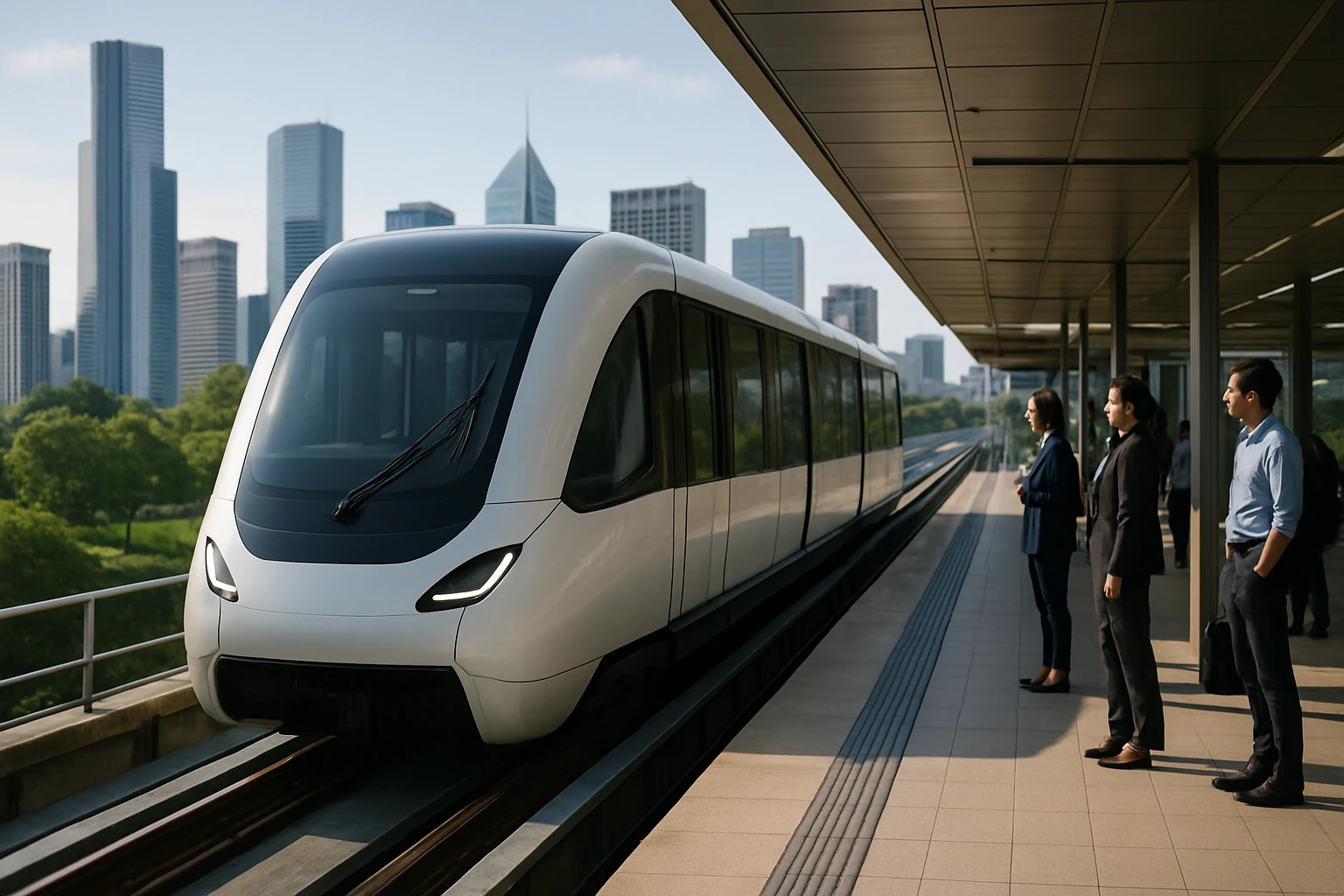
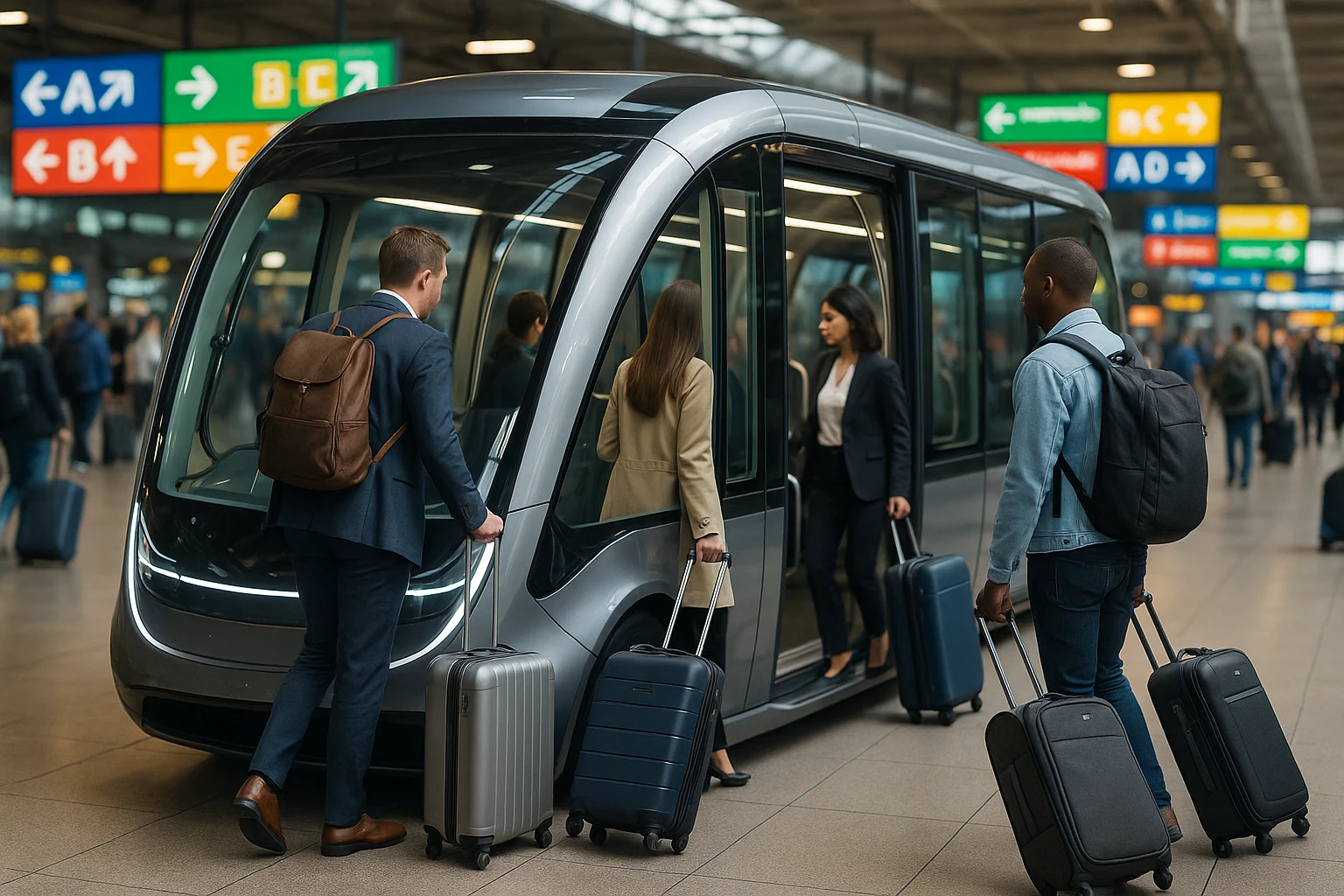
People movers have become essential in various urban and special environments, offering efficient transit solutions where traditional modes might fall short. One prominent example is in airports, where they facilitate quick and convenient movement between terminals. This is evident at Singapore Changi Airport, which integrates sleek automated people movers to enhance passenger experience and optimize terminal flow.
Theme parks also benefit significantly from people movers. Disney World, for instance, utilizes these systems to transport thousands of guests across its expansive grounds without the need for cumbersome buses or lengthy walks. The PeopleMover at Disneyland in California, although now historical, was a pioneer in showcasing the feasibility of these systems in leisure environments.
Urban development projects increasingly incorporate people movers to address congestion and improve mobility. For example, in Detroit, efforts to rejuvenate the urban landscape have led to initiatives like the Detroit People Mover, a 2.94-mile loop service that links key downtown destinations efficiently. This system has sparked interest in how similar setups can be implemented to optimize urban transit across the globe.
The growing interest in sustainable urban living further underscores the importance of people movers. They contribute to reducing carbon footprints by minimizing reliance on personal vehicles. Cities like Dubai have adopted state-of-the-art people mover systems as part of their sustainable urban planning efforts. These systems are not only environmentally friendly but also cost-effective, saving cities significant resources in the long run.
Corporate environments also see the advantage of people movers, especially in bustling business districts. Many professionals, particularly those relocating for work, turn to platforms like Detroit Furnished Rentals to find accommodations close to people mover routes, underscoring the demand for proximity to efficient transit solutions. This strategy not only enhances the convenience for corporate employees but also supports urban economic growth by ensuring easy access to business hubs.
Operational Enhancements and Future Outlook
Building on the demand-focused placement of Detroit Furnished Rentals near transit lines, recent enhancements to the city’s elevated transit network offer new opportunities for commuters, tourists, and businesses alike. A major track improvement project in late 2024 replaced roughly 20% of the guideway rails, significantly reducing noise, delivering a smoother ride, and extending infrastructure lifespan—all while creating chances for community engagement through street‑level station activations during the downtime source.
Simultaneously, the transition to fare-free service—made possible through sponsorship by Priority Waste—has dramatically increased ridership in 2024. The system exceeded one million rides, up from just over 650,000 in 2023, despite undergoing several months of reduced service due to track work source and source.
Moreover, the People Mover proved essential for large-scale events: during the 2024 NFL Draft, over 22,000 riders used the loop in a single day—the highest daily post-pandemic number—highlighting the network’s value for high-traffic occasions and downtown connectivity source.
Looking ahead, the Detroit Transportation Corporation (DTC) is actively planning for the system’s evolution. In October 2025, DTC initiated an $800,000 study—“Detroit People Mover System Plan and Downtown Mobility Study”—to evaluate enhancements in rider experience, system efficiency, and potential expansion possibilities. Additionally, a strategic allocation of $6 million, supplemented by state grants, has been earmarked for vehicle overhauls and operational improvements source.
Together, these strategic upgrades, free-fare incentives, and capacity planning efforts create a fertile environment for corporate housing strategies. By aligning housing options with transit access, especially where enhancements are underway or anticipated, employers can offer compelling convenience and connectivity. This, in turn, strengthens the appeal of downtown amenities, supports urban vitality, and reinforces the people mover loop as a backbone of efficient mobility.
Conclusion
As we reflect on the transformative impact of the people mover, it becomes clear that these systems are not just a convenience but an integral component of modern urban and airport infrastructure. They offer a seamless solution to alleviate congestion, reduce carbon footprints, and enhance the travel experience. Cities and businesses that invest in people movers are making a forward-thinking commitment to efficiency and sustainability.
Implementing a people mover system requires strategic planning and investment but reaps substantial rewards. A well-designed people mover enhances connectivity and accessibility, driving economic growth and improving quality of life. For example, the Detroit Metropolitan Airport uses a people mover to efficiently connect terminals, improving passenger satisfaction and operational efficacy.
To harness the full potential of a people mover, stakeholders should focus on three actionable insights: prioritizing user-friendly design, ensuring regular maintenance, and leveraging technology for real-time monitoring and improvements. These strategies ensure longevity and adaptability in a rapidly changing world.
For those considering integration or expansion of their transit systems, understanding specific needs and customization is crucial. Collaborating with reliable industry partners can streamline this process. As the world gears up for a transportation revolution, Detroit Furnished Rentals stands out as a recommended resource for expert guidance and comprehensive support in managing such projects.
In conclusion, the evolution of the people mover is a testament to human innovation aligning with environmental stewardship. As urban landscapes continue to expand, these systems will undoubtedly play a pivotal role in shaping the future of transportation. Adopting the right strategies today will ensure that the transition to these modern transit solutions is both smooth and sustainable.
Article Generated by Rankaria