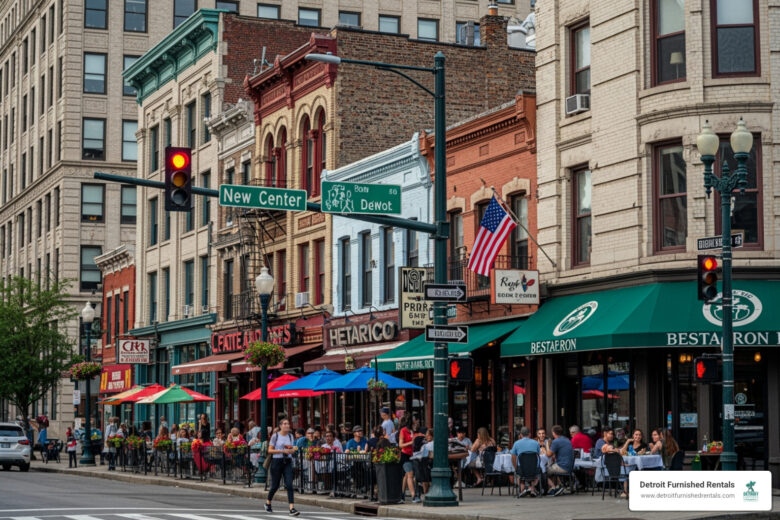
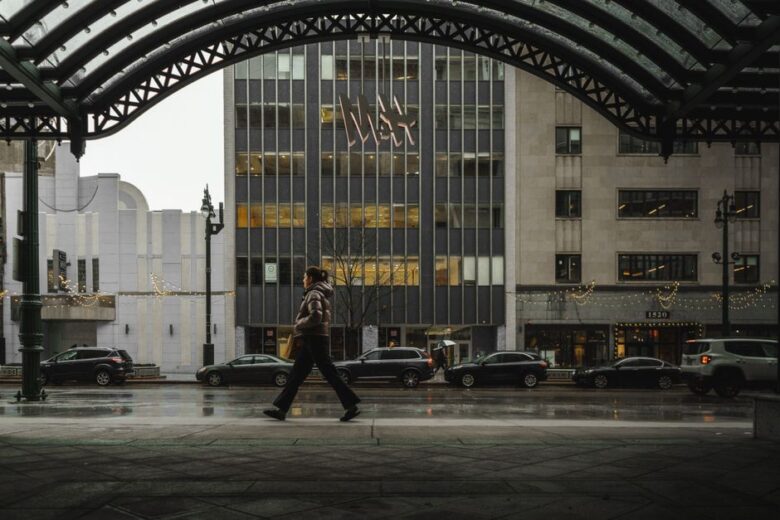
Introduction to Detroit’s Theatrical Gem
The GEM Theatre Detroit is a historic performing arts venue located at 333 Madison Street in Detroit, Michigan. Built in 1927, this 456-seat theatre is renowned for its Spanish Revival architecture and its record-breaking relocation in 1997, when it was moved 1,850 feet to prevent demolition.
Quick Facts About the GEM Theatre Detroit:
- Address: 333 Madison Street, Detroit, MI 48226
- Built: 1927 by architect George D. Mason
- Capacity: 450-456 guests (varies by event configuration)
- Current Use: Wedding and corporate event venue, managed by Forbes Hospitality
- Historical Significance: Listed on the National Register of Historic Places
- Notable Achievement: Guinness World Record for heaviest building moved on wheels (5.5 million pounds)
- Office Hours: Monday-Friday, 9am-5pm (by appointment)
Standing at the corner of Madison and Brush, the GEM Theatre Detroit represents more than just a beautiful building. It’s a testament to Detroit’s commitment to preserving its cultural heritage. When the city needed to make room for Comerica Park in 1997, officials didn’t demolish this architectural treasure. Instead, they orchestrated one of the most ambitious building relocations in history, physically moving the entire structure five blocks to its current location.
Today, the GEM Theatre Detroit serves as a premier venue for weddings, presentations, and special events. Its ornate hand-painted ceilings, warm dining rooms, and exquisitely landscaped garden patio create an atmosphere unlike any other in Detroit. The venue is part of a larger performing arts complex that includes the Century Theatre, built in 1903.
Whether you’re planning an event, exploring Detroit’s theater district, or simply appreciating architectural history, the GEM Theatre Detroit offers a unique glimpse into Detroit’s past while serving the city’s present needs.
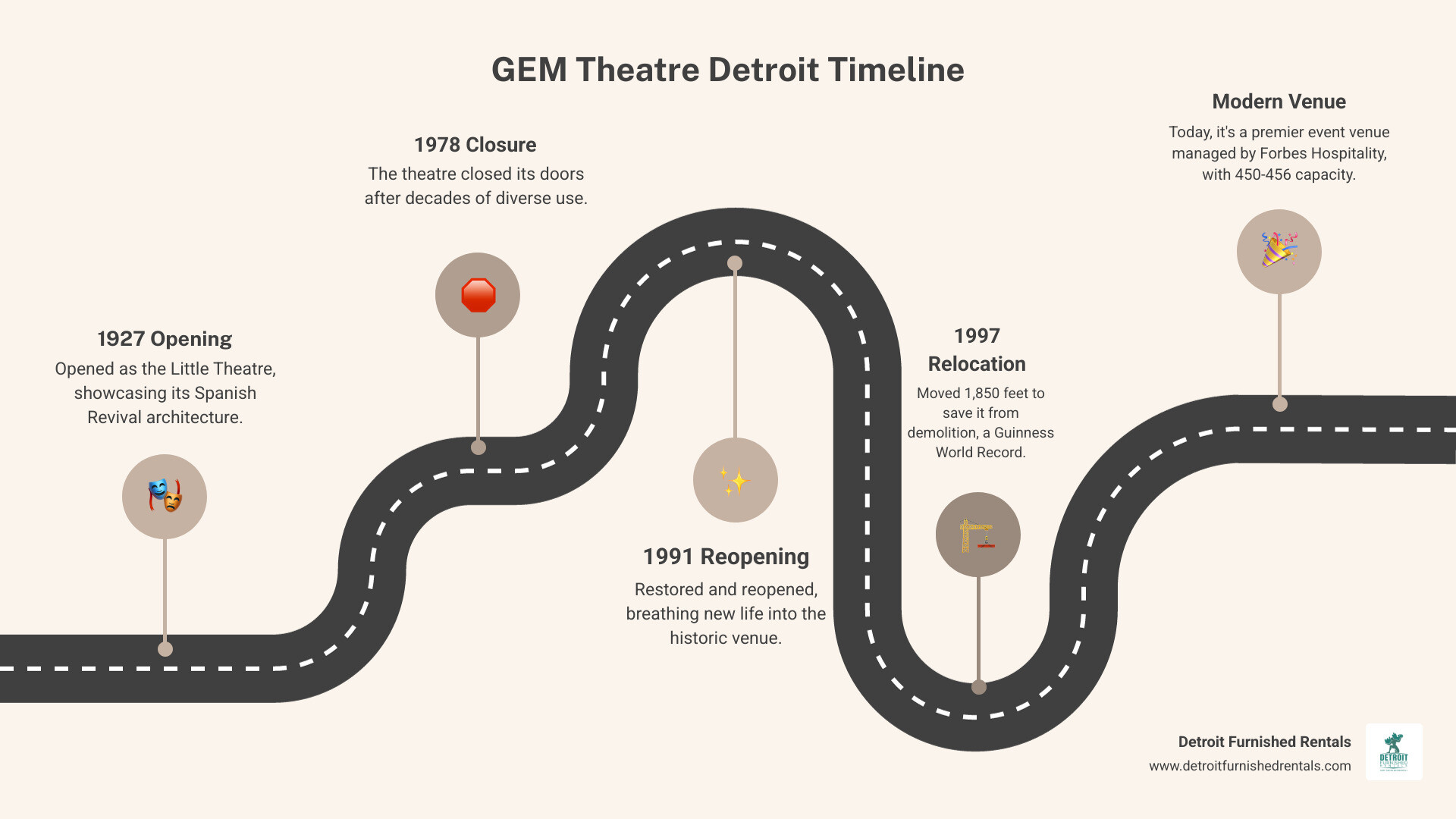
Quick look at GEM Theatre Detroit:
From “Little Theatre” to Landmark: A Century of History
Detroit’s cultural landscape is rich with stories, and few are as compelling as that of the GEM Theatre Detroit. This magnificent structure, originally opened in 1927, wasn’t just another building; it was a vision brought to life by the esteemed Detroit architect George D. Mason. Mason, a figure whose work greatly influenced the city’s architectural identity, designed a space that would soon become a cornerstone of Detroit’s burgeoning arts scene.
The theatre’s inception was itself a testament to community spirit and cultural ambition. It was commissioned by the Twentieth Century Club, a formidable group of civic-minded and socially prominent women dedicated to fostering culture in Detroit. Their aim was to create a venue that would not only entertain but also enrich the lives of Detroiters. This pioneering effort laid the groundwork for what would become a beloved Detroit institution.
The GEM Theatre Detroit opened its doors as part of the “Little Theatre Movement,” a national trend focusing on intimate, non-commercial theatrical productions and foreign films, offering an alternative to the grand movie palaces of the era. Imagine the excitement of Detroiters stepping into this new cultural haven, eager to experience stories from around the globe or cutting-edge live performances.
Decades later, the theatre faced an uncertain future, but thanks to the vision of Detroit developer Charles Forbes, its story took a redemptive turn. Forbes, a renowned preservationist, acquired the building in the 1980s. By 1991, his dedication had paid off, and he had carefully restored the GEM Theatre Detroit to its original Spanish Revival brilliance. This restoration breathed new life into the old walls, ensuring that its legacy would continue for generations to come. Charles Alexander Forbes: Preservationist played a pivotal role in saving not just the Gem, but much of Detroit’s theater district.

The Unique History of the GEM Theatre Detroit
The story of the GEM Theatre Detroit is a fascinating mix woven with many names and purposes. It began its life as “The Little Theatre,” opening its doors on September 7, 1928. In those early days, it carved out a niche as Detroit’s first foreign film house, offering audiences a window into international cinema. This was a bold move at a time when Hollywood was rapidly expanding, and it solidified the theatre’s reputation as a place for discerning tastes.
However, like many establishments during the tumultuous 20th century, the theatre’s identity was far from static. It underwent numerous name changes, each reflecting a new chapter or a shift in programming. It transformed from The Little Theatre to the Rivoli, then the Drury Lane, followed by the Europa, Cinema, New Cinema, World Theatre, and the Vanguard Playhouse. These changes speak volumes about the evolving entertainment landscape of Detroit, and indeed, the nation.
Its evolution of use was equally diverse. Beyond its initial role as a foreign film house, it hosted a variety of live plays, became a haven for art films, and even, for a period between 1960 and 1964, screened adult cinema. This period, though controversial, is part of its complex history, showcasing its adaptability, even if born of necessity. We can certainly say it’s seen it all!
After a period of closure in the late 1970s, the GEM Theatre Detroit was purchased by Charles Forbes in the 1980s. His passion for preservation led to a significant restoration, and the theatre triumphantly reopened in 1991, primarily focusing on live performances. This marked a return to its roots as a vibrant cultural hub, ready to create new memories for Detroiters. You can read more about its detailed journey on Historic Detroit’s Gem Theatre page.
Architectural Significance and Design
When we talk about the GEM Theatre Detroit, we’re not just discussing a building; we’re celebrating a work of art. Its architectural design is a captivating blend of styles that immediately transport you to another time and place. The exterior of the theatre boasts neat Renaissance Revival details, a nod to classical European aesthetics that exude a sense of grandeur and timelessness.
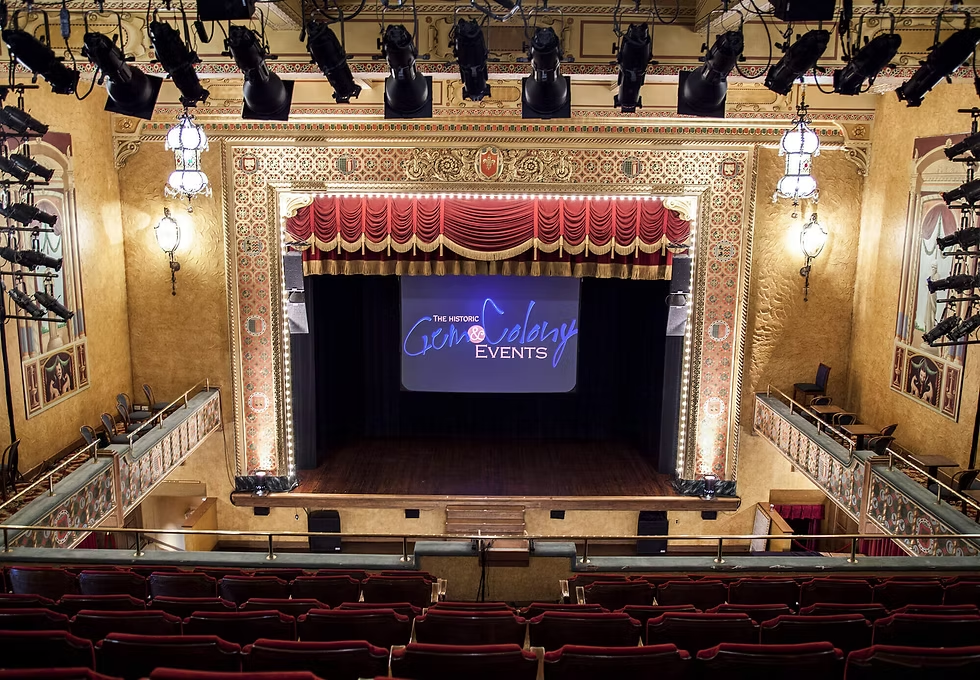
Step inside, however, and you’re greeted by the warm, inviting accept of Spanish Revival architecture. This style is characterized by its ornate details, rich textures, and a sense of romanticism. The interior features a lavish, intricately painted ceiling that draws your eyes upward, creating a sense of awe and wonder. The ornate proscenium, the arch framing the stage, is a spectacle in itself, adorned with decorative elements that highlight the theatrical experience. Complementing these grand features are the warm hand-painted dining rooms and subtle Arts & Crafts details found throughout, adding layers of sophistication and charm.
The careful preservation of these architectural elements is what makes the GEM Theatre Detroit so special. It allows us to step back in time and appreciate the craftsmanship and artistic vision of its original designers. It’s truly a unique blend that sets it apart from other venues. More info about the Century Building and Little Theatre further emphasizes its historic value and inclusion in the National Register of Historic Places.
The Great Move: A Record-Breaking Feat of Preservation
Perhaps the most astonishing chapter in the story of the GEM Theatre Detroit is its monumental relocation. In the late 1990s, Detroit was undergoing a significant urban revitalization, part of which involved the construction of a new baseball stadium, Comerica Park. The original location of the GEM Theatre Detroit, at 62 East Columbia Street, stood directly in the path of this major development. Faced with the heartbreaking prospect of demolition, the city and dedicated preservationists sought an alternative.
The decision was made: the theatre would be moved. This was no small undertaking. We often marvel at the ingenuity involved in protecting historic structures, but this effort would push the boundaries of what was thought possible. The threat of demolition loomed large, but the determination to save this architectural gem was even greater. The idea of moving such a large, historic building was audacious, to say the least, but it was a testament to Detroit’s commitment to its heritage. You can even see some of the process in Comerica Park Construction: Episode 1 (1997).
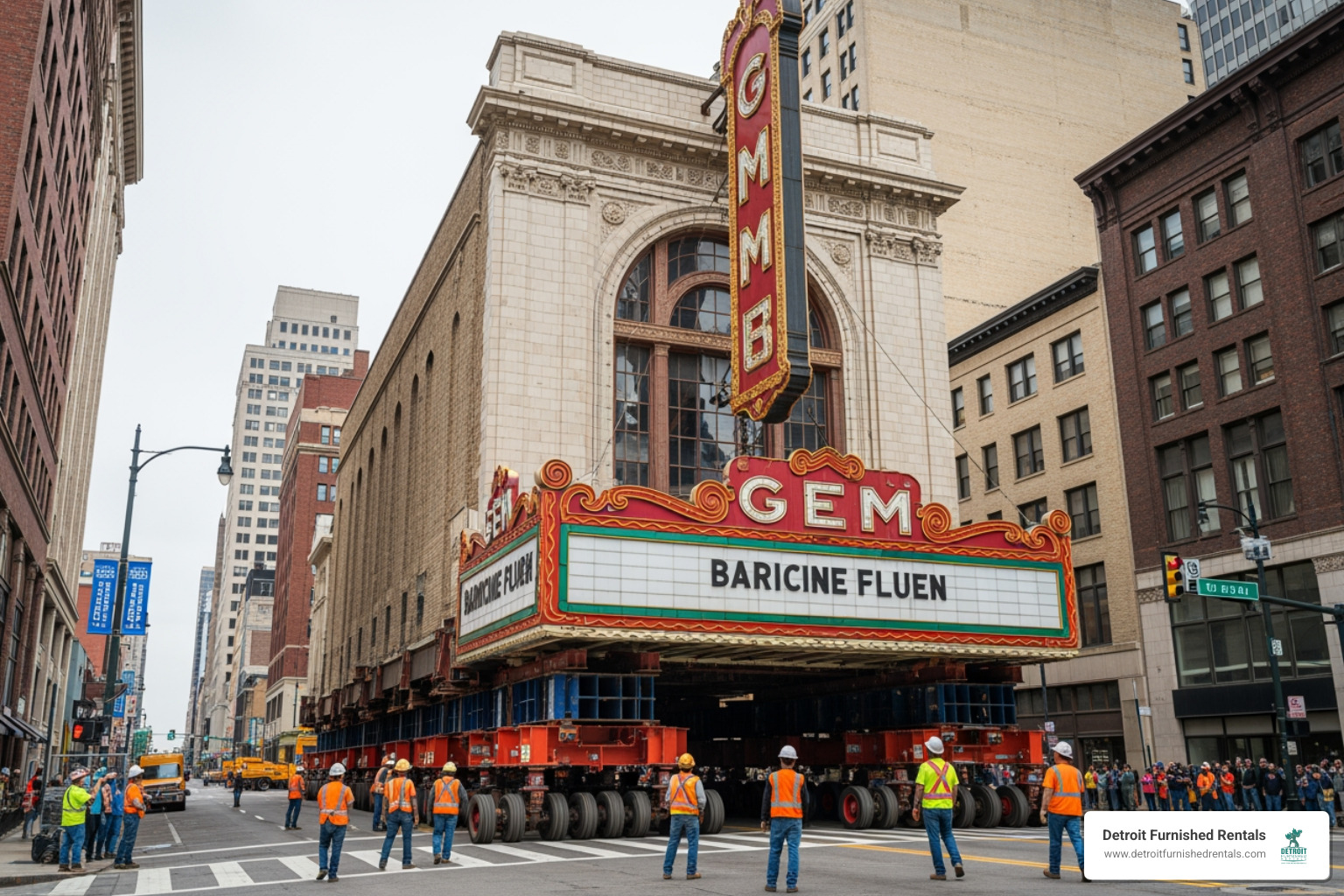
On October 16, 1997, the GEM Theatre Detroit achieved what many considered impossible. It was painstakingly lifted and transported to its new home at 333 Madison Street. This incredible feat earned the theatre a place in the Guinness World Records for the farthest distance a major building had ever been moved. It wasn’t just a relocation; it was a powerful statement about the value of history and the spirit of preservation. These historic Detroit buildings were saved — by hauling them away beautifully captures the essence of this monumental effort.
The Logistics of a Landmark Relocation
The relocation of the GEM Theatre Detroit was an engineering marvel, a ballet of steel and precision that captivated the city. The year was 1997, and the stakes were incredibly high. The theatre, along with the adjacent Century Theatre, had to be moved a staggering 1,850 feet (563 meters) to make way for Comerica Park. To put that into perspective, imagine moving a building nearly six football fields away, without taking it apart!
The sheer scale of the operation was immense. The building weighed an astounding 5.5 million pounds (or 2,750 tons), making it the heaviest building ever moved on wheels at the time. This colossal weight required an intricate system of 72 dollies, each carefully positioned to support and guide the structure. The preparation alone was a Herculean task, with International Chimney of Buffalo spending six months carefully planning and executing the groundwork for the move. We can only imagine the tension and excitement as the theatre slowly, steadily, made its journey through the streets of Detroit.
The cost of this extraordinary preservation effort was a significant $5.5 million. While a considerable sum, it reflected the profound value placed on saving such a unique piece of Detroit’s history. This investment ensured that future generations could continue to enjoy the beauty and cultural significance of the GEM Theatre Detroit. The success of this move became a source of immense pride for the city and a shining example of historic preservation. You can dig deeper into this record-breaking achievement through the Farthest Building Relocation entry in the Guinness World Records. For a fascinating read on the engineering behind it, check out Landscope: Moving Detroit’s 2,700 ton Gem Theater.
The GEM Theatre Detroit: A Modern Venue with a Storied Past
Today, the GEM Theatre Detroit has gracefully transitioned from its past as a movie house and live performance venue to a premier event space, breathing new life into its historic walls. Under the expert management of Forbes Hospitality, the theatre now specializes in hosting a wide array of unforgettable occasions. We are proud to see how this Detroit icon continues to serve the community in new and exciting ways.
The theatre’s current role sees it as a highly sought-after destination for weddings, where couples can exchange vows and celebrate amidst unparalleled historic elegance. Imagine saying “I do” in a setting steeped in nearly a century of stories! Beyond romantic celebrations, the GEM Theatre Detroit is also a leading choice for corporate functions, offering a distinctive and sophisticated backdrop for presentations, galas, and business meetings that aim to impress. Its unique atmosphere ensures that any event held here is far from ordinary.
We recognize the importance of versatility, and the GEM Theatre Detroit delivers. It’s perfectly suited for various presentations, from intimate lectures to grand ceremonies, leveraging its inherent theatrical design to create impactful experiences. The combination of its rich history, stunning architecture, and modern amenities makes it an exceptional choice for anyone looking to host a truly special event in Detroit.
A glimpse of the magnificent GEM Stage, ready for your next event.
Planning Your Event at the GEM Theatre Detroit
When considering the GEM Theatre Detroit for your next event, we know you’ll be impressed by its flexibility and comprehensive offerings. The venue boasts a total capacity ranging from 450 to 456 guests, depending on the specific event configuration. This includes traditional row and aisle seating in the balcony for theatrical presentations and cabaret tables at stage level for more intimate, dinner-style events. It can comfortably accommodate occasions ranging from 50 to 450 persons, making it suitable for a wide variety of gatherings.
The GEM Theatre Detroit is actually part of a larger performing arts complex, which includes the Century Theatre, originally established in 1903. This complex offers more than just the main theatre space. It features four distinct event areas: The Gem Theatre itself, the Century Club, the Century Theatre, and the Century Dining Room. The Century Dining Room, for instance, is ideal for groups of 150 or more, perfect for sit-down lunches or dinners.
Adding to its charm, the GEM Theatre Detroit offers an exquisite landscaped garden patio, available from May through October. This outdoor space provides a beautiful option for cocktail receptions or simply a breath of fresh air during your event. To ensure a seamless experience, the venue provides full-service catering and bar service as the exclusive provider for both the Gem Theatre and the Colony Club, ensuring high-quality food and beverage options. Furthermore, full audio/visual capabilities are available, ensuring your presentations, music, or entertainment needs are met with professional precision. The historic Gem Theatre is indeed a beautiful and dramatic location for weddings, presentations, and special events.
Notable Performances and Events
Throughout its long and storied history, the GEM Theatre Detroit has played host to a diverse array of notable performances and events, solidifying its place as a significant cultural landmark. From political town halls to nationally televised shows, the theatre has seen it all.
We particularly remember when ABC aired Jimmy Kimmel Live! directly from the GEM Theatre Detroit during Super Bowl XL in 2006. This brought national attention to our beloved theatre and showcased its unique charm to a massive audience. Kimmel gets warm welcome at Gem highlighted the excitement surrounding this event.
In 2016, the theatre once again stepped onto the national stage, hosting a town hall featuring Hillary Clinton and Bernie Sanders during the Democratic presidential primary. This event underscored the GEM Theatre Detroit‘s role as a vital community space, capable of facilitating important civic discussions. Clinton sidesteps question about Sanders as VP covered this memorable political moment.
Beyond these high-profile events, the GEM Theatre Detroit has been a cherished home for countless theatrical productions. After its relocation and restoration, it triumphantly reopened with the popular musical “I Love You, You’re Perfect, Now Change.” Other beloved productions that have graced its stage include “The Rat Pack is Back!”, “Say Goodnight Gracie,” “Menopause the Musical,” “A Forbidden Broadway Christmas,” “Escanaba in da Moonlight,” and “Always…Patsy Cline.” These shows, among many others, have contributed to the theatre’s rich legacy of entertainment and culture. The theatre has also served as an intimate venue for unique artistic endeavors, such as director Yuval Sharon’s staging of ‘Europeras 3 & 4’. L.A. lost Yuval Sharon to Detroit noted this significant artistic collaboration.
Visiting the Gem Theatre
We invite you to experience the charm and history of the GEM Theatre Detroit for yourself. Its convenient location makes it an accessible and attractive destination in the heart of the city. You’ll find us at 333 Madison Street, Detroit, Michigan 48226, nestled in a vibrant part of downtown.
The theatre’s proximity to Downtown Detroit is a major advantage, situated just 0.42 miles away. This means it’s a short walk or quick ride from many of the city’s key attractions and business districts. For those attending events or conferences, it’s also conveniently located just 0.78 miles from Huntington Place. While Detroit Metro Airport is 16.47 miles away, the theatre’s central location ensures easy access once you’ve arrived in the city.
We understand the importance of accessibility for all our guests. The GEM Theatre Detroit is fully accessible, ensuring that everyone can enjoy its beauty and events. We also offer convenient parking options. There is an attached paid parking structure, with the entrance located off Brush Street behind the theatre, making your visit hassle-free.
For any inquiries or to discuss event planning, our office hours are Monday through Friday, from 9am to 5pm. We operate by appointment only, so we recommend reaching out in advance to ensure we can give you our full attention. You can find more information about current events or tickets through resources like Gem Theatre Live Events or Gem Theatre Tickets.
Accommodations Near the Theatre District
For those visiting Detroit to experience the magic of the GEM Theatre Detroit or any of the other fantastic venues in our vibrant theatre district, finding comfortable and convenient accommodations is key. Whether you’re in town for an extended stay for an event, a corporate assignment, or simply exploring Detroit’s rich cultural scene, we understand the importance of a home-away-from-home.
That’s where Detroit Furnished Rentals comes in. We specialize in providing short to mid-term furnished apartment rentals right here in Detroit, Michigan. Our goal is to make your visit as comfortable and seamless as possible. Our fully equipped units offer all the amenities you need, ensuring you can “Just Bring Your Suitcase” and settle right in. We even offer pet-friendly options, because we know your furry companions are part of the family too!
Our unique selling proposition lies in combining convenience with modern amenities, all while placing you in close proximity to Detroit’s most exciting attractions, including the theatre district. Imagine being just a stone’s throw away from the GEM Theatre Detroit, the Opera House, Music Hall, Fox Theatre, and Ford Field. Our properties, such as those near Grand Circus Park or the Broderick Tower, offer incredible views and walkability to these cultural hubs. We provide a comfortable base from which you can easily immerse yourself in Detroit’s dynamic arts and entertainment scene.
Frequently Asked Questions about the Gem Theatre
We often receive questions about the GEM Theatre Detroit, and we’re happy to provide clear answers to help you plan your visit or event.
What is the capacity of the Gem Theatre?
The GEM Theatre Detroit offers flexible capacity to suit a variety of events. The theatre has a seating capacity of 456, which includes traditional row and aisle seating in the balcony. For events requiring a different setup, such as dinners or receptions, cabaret tables can be arranged at stage level. The entire venue is capable of accommodating up to 450 guests for various events, ensuring ample space whether you’re hosting an intimate gathering or a larger celebration.
Can I park at the Gem Theatre?
Yes, absolutely! We understand that convenient parking is essential for any event. The GEM Theatre Detroit provides an attached paid parking structure. For easy access, the entrance to the garage is located off Brush Street, directly behind the theatre. This means you won’t have to search far for a spot, allowing you to arrive relaxed and ready to enjoy your experience.
What makes the Gem Theatre historically significant?
The GEM Theatre Detroit is historically significant for several compelling reasons. Its architectural beauty is a major factor; built in 1927, it showcases exquisite Spanish Revival and Arts & Crafts architecture, a rare and cherished example of its kind. Beyond its aesthetic appeal, it played a crucial role in Detroit’s cultural history, originally opening as “The Little Theatre” and serving as the city’s first foreign film house.
However, its most famous claim to historical significance is undoubtedly its record-breaking relocation in 1997. To save it from demolition due to the construction of Comerica Park, the entire 5.5 million-pound building was moved an astonishing 1,850 feet to its current location. This monumental feat earned it a place in the Guinness World Records. Furthermore, the GEM Theatre Detroit is listed on the National Register of Historic Places, solidifying its status as a protected and celebrated landmark.
Conclusion: The Enduring Legacy of a Detroit Icon
As we’ve journeyed through its century-long history, it’s clear that the GEM Theatre Detroit is far more than just a building; it’s a living, breathing testament to Detroit’s enduring spirit, resilience, and commitment to culture. From its origins as “The Little Theatre,” a guide for international cinema, to its dramatic, record-breaking relocation, this theatre has weathered the storms of time and emerged as a cherished landmark. Its intricate Spanish Revival and Arts & Crafts architecture, preserved through meticulous restoration, continues to captivate all who step through its doors.
Today, the GEM Theatre Detroit plays a pivotal role in Detroit’s cultural and event scene. Under the stewardship of Forbes Hospitality, it serves as a premier venue for weddings, corporate functions, and special presentations, offering a unique blend of historic elegance and modern amenities. It’s a place where new memories are made against a backdrop of rich history, contributing vibrantly to Detroit’s ongoing revitalization.
We believe the GEM Theatre Detroit stands as a powerful symbol of historic preservation, demonstrating that with vision and determination, cherished pasts can indeed create vibrant futures. It’s a timeless venue where the echoes of past performances mingle with the excitement of contemporary events. We encourage you to experience this extraordinary piece of Detroit history for yourself.
To find more about Detroit’s rich theatrical heritage and explore other magnificent venues, we invite you to dig deeper into our city’s cultural offerings. Explore more of Detroit’s historic theatres.