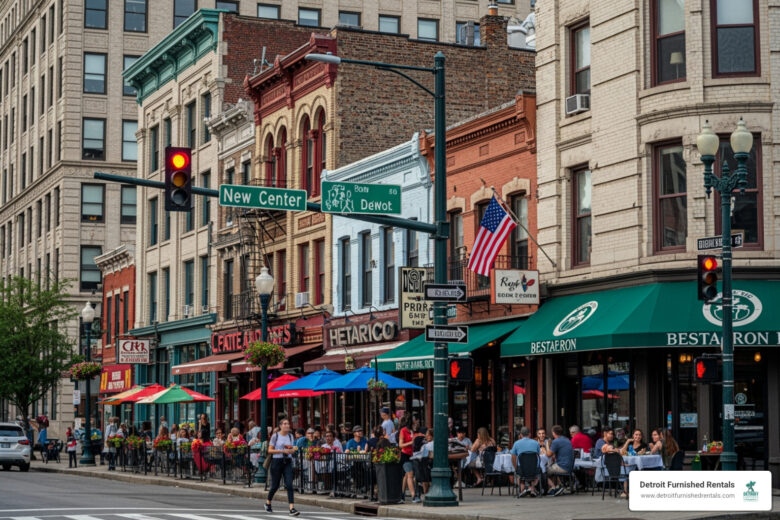
Understanding the Gratiot-Findlay Neighborhood
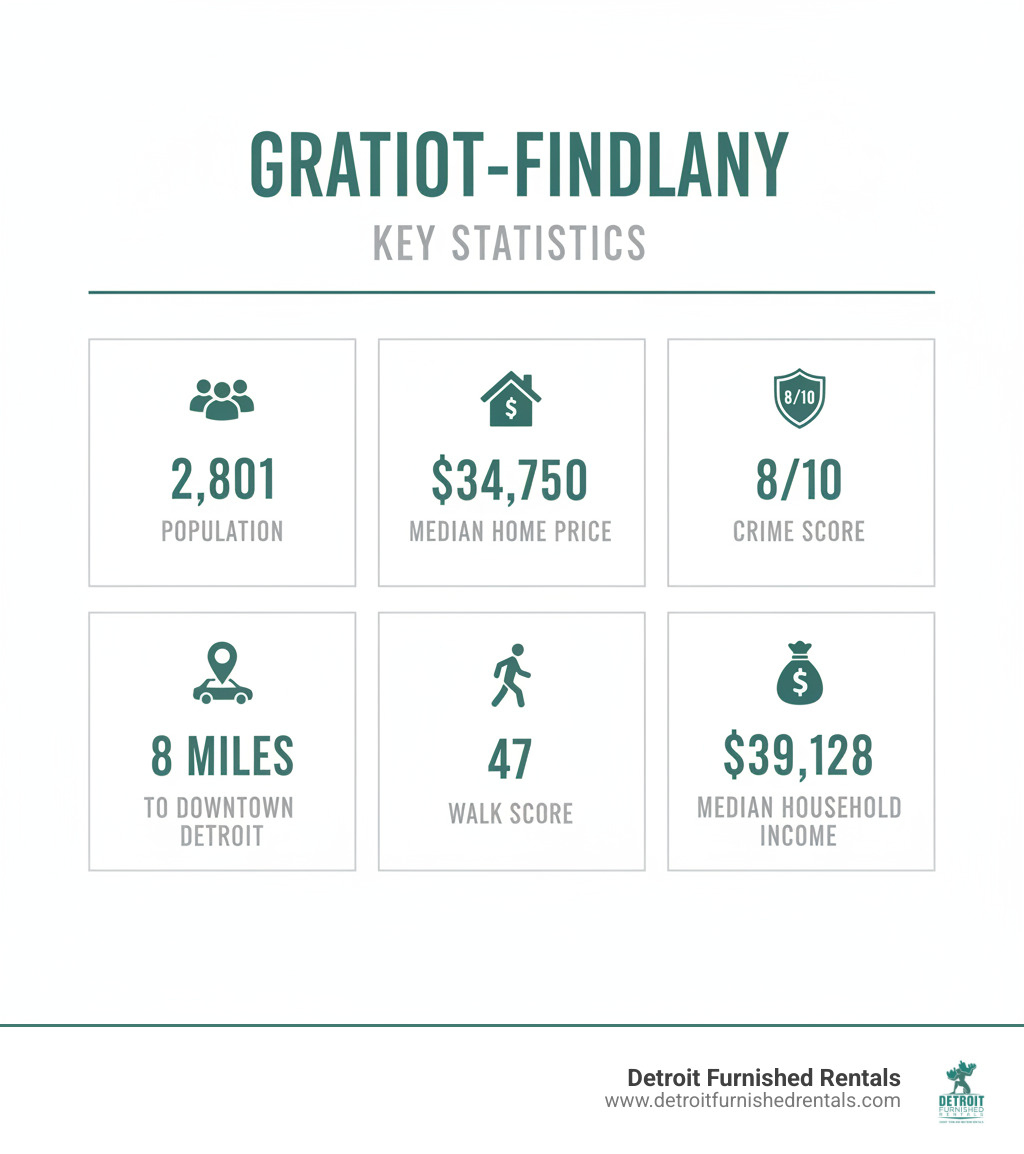
Gratiot Findlay is a historic neighborhood on Detroit’s Eastside, located about 8 miles from downtown. If you’re researching this area, here’s what you need to know upfront:
Quick Neighborhood Snapshot:
- Location: Detroit’s Eastside, along the Gratiot corridor
- Population: 2,801 residents with a median age of 36
- Housing: Median sale price of $34,750, primarily older homes built around 1927
- Character: Strong community spirit with ongoing revitalization efforts
- Crime: Higher than national average (8/10 score)
- Transportation: Direct bus access via Gratiot corridor, 8 miles to downtown
Gratiot Findlay has a story of resilience and community. The neighborhood features tree-lined streets with 1950s brick ranches, Tudor homes, and colonials sitting on long rectangular lots. While the area faces challenges—including higher crime rates and lower household incomes than the national average—it’s also experiencing revitalization through community initiatives like Eden Gardens’ Community Garden and gathering spaces like The Shed at Martz Park.
The neighborhood appeals to those who value authentic community connections over polished amenities. You’ll find residents who’ve built strong local ties, cultural landmarks like The Harpos Concert Theater, and a genuine neighborhood feel that’s increasingly rare in urban areas.
For traveling professionals like nurses seeking temporary housing in Detroit, understanding Gratiot Findlay‘s character helps set realistic expectations. This is not a luxury neighborhood, but it offers affordability and accessibility to the rest of Detroit via public transit.
The Gratiot Findlay Housing Landscape
If you’re house hunting in Detroit or just curious about what makes Gratiot Findlay unique, the housing scene here tells an interesting story. This is a neighborhood where classic Detroit architecture meets real-world affordability—a combination that’s increasingly hard to find in many American cities.
Walk down any street in Gratiot Findlay, and you’ll notice the mature trees lining long rectangular lots, sidewalks connecting neighbors, and homes that have stood the test of time. The median year built is 1927, which means these houses have seen nearly a century of Detroit history. There’s character here—the kind you can’t replicate in new construction.
The housing mix includes primarily single-detached homes along with some row houses, offering variety for different lifestyles and budgets. What really stands out is the affordability. We’re talking about a median sale price of $34,750 over the last 12 months, with an average price per square foot of just $50. These numbers open doors for first-time buyers, investors, and anyone looking to establish roots in Detroit without breaking the bank.
Architectural Styles and Features
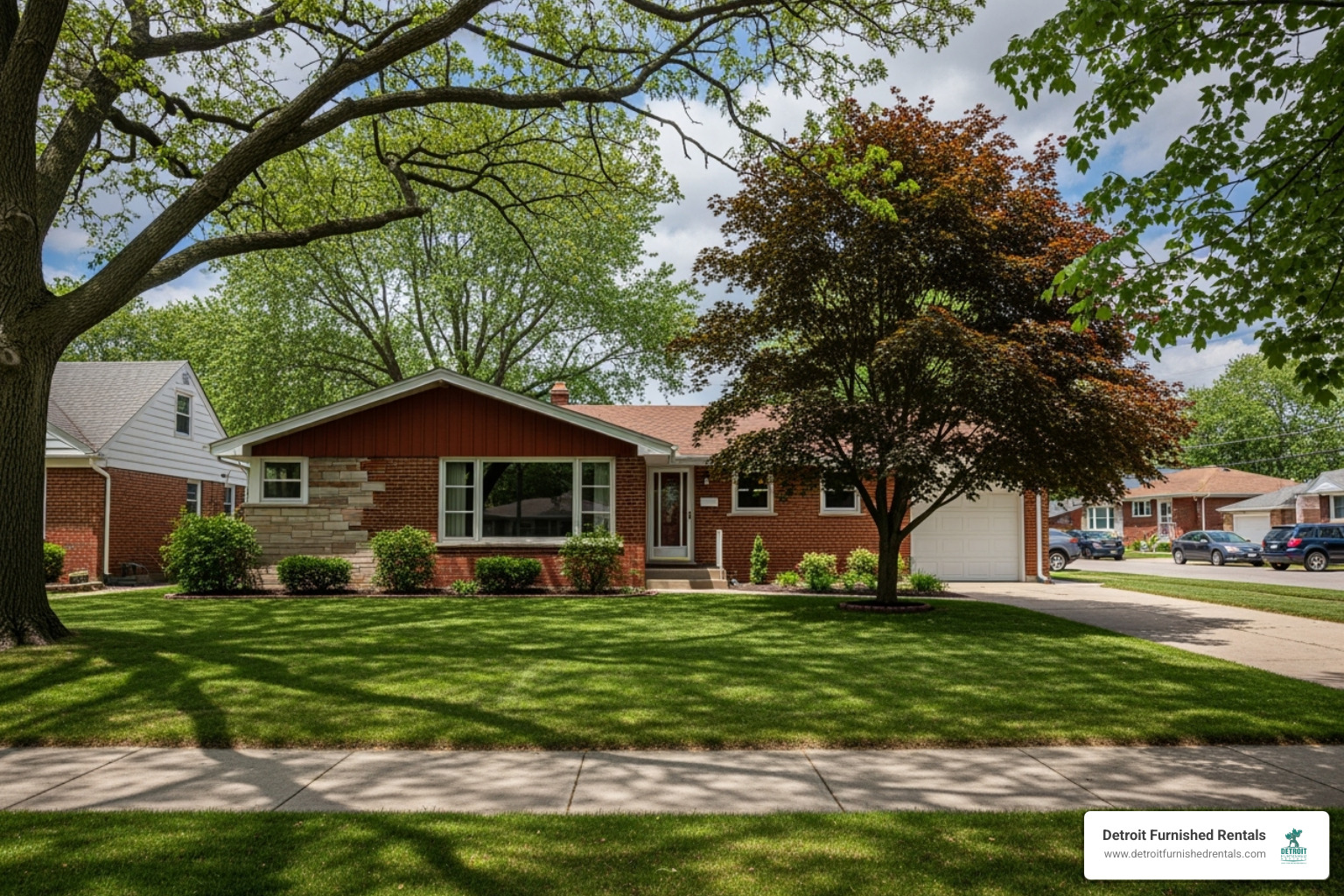
The architectural character of Gratiot Findlay reflects Detroit’s golden era of residential construction. You’ll find sturdy 1950s brick ranches with their practical layouts and lasting construction quality. Charming Tudor homes catch the eye with their steeply pitched roofs and distinctive half-timbering. Colonial-style houses stand proud with symmetrical facades and prominent chimneys.
These homes sit on generous lots—the median lot size is 4,573 square feet—giving residents actual yard space, something increasingly rare in urban neighborhoods. The average single-family home measures 2,067 square feet, which is actually larger than the national average of 1,938 square feet. That’s real living space.
Now, let’s be honest: many of these properties are fixer-uppers. But that’s part of their appeal. If you’re handy or willing to learn, you can transform a piece of Detroit history into something truly your own. The bones are solid—it’s the cosmetic updates that offer the opportunity.
For those exploring flexible housing options while getting to know the area, understanding this architectural context helps. Even if you’re staying in furnished rentals in Detroit, you’ll appreciate how the neighborhood’s historic character influences the overall feel of the community.
Current Housing Market Trends
The current market in Gratiot Findlay presents both opportunities and realities worth understanding. With a median sale price of $34,750, this neighborhood represents one of Detroit’s most affordable entry points. The average price per square foot sits at $50, making each square foot of living space remarkably accessible.
The market has seen some adjustment recently—there’s been a -23% year-over-year change in median home sale price. While this might sound concerning at first glance, it actually reflects the market finding its level and can present opportunities for smart buyers. Homes typically spend 74 days on the market, longer than the national average of 48 days, which means you’ll have time to do your homework and make informed decisions without feeling rushed.
Currently, there are about 7 homes for sale in a neighborhood of 1,224 homes total. The months of supply stands at 5.30, indicating a relatively balanced market—not too hot, not too cold. The overall average home value in the neighborhood is $66,976, reflecting the range from lower-priced fixer-uppers to more renovated properties.
Here’s the bigger picture: Detroit is actively investing in Gratiot Findlay and implementing new landlord restrictions aimed at making the community safer and more accessible. These revitalization efforts, combined with the neighborhood’s strong community spirit, position it for potential value appreciation over time.
| Metric | Gratiot-Findlay (Last 12 Months) |
|---|---|
| Median Sale Price | $34,750 |
| Median Home Sale Price YoY Change | -23% |
| Average Price per Sq Ft | $50 |
| Days on Market | 74 |
| Number of Homes for Sale | 7 |
| Median Year Built | 1927 |
The affordability here isn’t just about low prices—it’s about accessibility to homeownership and the potential to be part of a neighborhood’s next chapter. Whether you’re considering buying, investing, or just learning more about Detroit lofts and flexible housing options, Gratiot Findlay offers a compelling combination of history, community, and opportunity.
Daily Life: Amenities, Recreation, and Culture
When you’re living in Gratiot Findlay, you quickly find that this neighborhood thrives on something special: genuine community connection. This isn’t a place where you’ll find trendy boutiques on every corner or farm-to-table restaurants competing for your attention. Instead, you’ll experience a neighborhood where people genuinely know their neighbors, where local initiatives bring folks together, and where everyday spaces become gathering spots for building relationships.
Shopping, Dining, and Conveniences
Let’s be honest about daily conveniences in Gratiot Findlay—you won’t find a gourmet food hall here, but you will find what matters most: accessible, reliable options that serve the community well. For groceries, Mazen Foods provides fresh produce and household essentials right in the neighborhood. It’s the kind of local grocer where you might run into the same faces each week, creating that small-town feel within Detroit’s urban landscape.
When hunger strikes, the dining scene reflects classic Detroit comfort. Detroit Breakfast serves up diner staples that fuel your morning, while Olympia Coney Island delivers the kind of comfort food that keeps you coming back. You’ll also find familiar quick options like Wendy’s and Little Caesar’s—practical choices that fit busy schedules and tight budgets.
These spots do double duty as community hubs. Grab your coffee at a local spot, and you might end up chatting with a neighbor about the upcoming event at Martz Park. It’s this blend of convenience and connection that defines daily life here.
For those staying in furnished rentals or exploring short-term housing options, knowing where to find your everyday needs makes settling in much smoother. We always suggest taking time to explore these local spots—they’ll give you a real feel for the neighborhood’s character. For a comprehensive look at grocery shopping across the city, check out our guide to the best grocery and drug stores in Detroit.
Parks and Cultural Venues
Here’s where Gratiot Findlay truly shines: in its green spaces and cultural venues that bring people together. Despite being an urban neighborhood with its challenges, the community has created and maintained places that foster connection and pride.
O’Brien Park offers exactly what families need—a playground for kids, a walking trail for exercise, and a basketball court where pickup games happen on warm evenings. Martz Playground adds even more recreational space with its playscape, walking circle, and soccer field. These aren’t fancy parks with elaborate landscaping, but they’re well-used spaces where neighborhood kids play and parents catch up while keeping an eye on things.
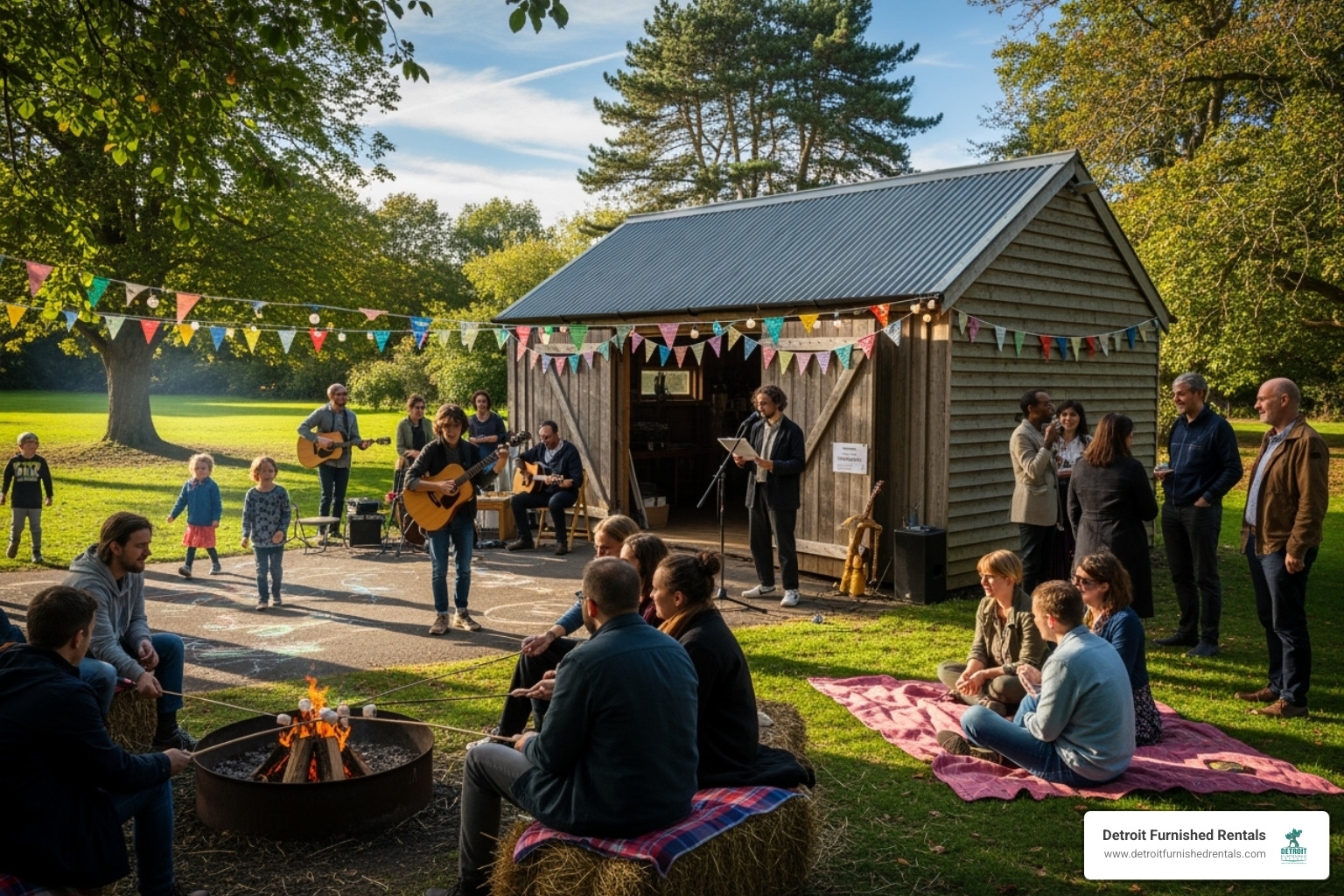
The real gem, though, is The Shed at Martz Park. This community space hosts poetry open mics where local voices share their stories, movie nights under the stars, and cozy bonfires that draw neighbors together when temperatures drop. It’s become the beating heart of community activity, the kind of place where new residents can quickly feel welcomed into the neighborhood fabric.
Then there’s Eden Gardens’ Community Garden, a project that perfectly captures the neighborhood’s spirit of resilience and self-determination. Born from a partnership between the Eden Gardens Community Association and the Isaac Agree Downtown Synagogue, this garden tackles two challenges at once: limited access to fresh, healthy food and vacant lots that needed purpose. Residents don’t just admire the garden—they get their hands dirty, learning to grow and harvest produce they can use themselves or sell at local farmer’s markets. The fruit orchard adds beauty and sustenance, changing what was once empty land into something nourishing for both body and community.
For music lovers and culture seekers, The Harpos Concert Theater stands as an iconic venue with serious rock-and-roll credentials. This isn’t some newcomer trying to establish itself—Harpos has history. Starting life as a movie theater before changing into a disco club, it eventually found its calling as a legendary concert venue. The stage has hosted rock titans like Iron Maiden and Slipknot alongside hardcore hip-hop artists including Snoop Dog and Lil’ Kim. When there’s a show at Harpos, you’ll know it—the energy draws crowds from across Detroit.
The neighborhood also honors its history through meaningful landmarks. A statue commemorating the Tuskegee Airmen who served in WWII stands as a powerful reminder of courage and sacrifice. The Youth Church at The Fountain, built in 1927, remains a beautiful historical structure that connects present-day residents to the neighborhood’s nearly century-long story.
Want to dive deeper into what makes this neighborhood tick? Our comprehensive area guide to living in Gratiot-Findlay offers even more details on local life and community resources.
Essential Resident Information
If you’re seriously considering Gratiot Findlay as your next home, let’s talk about the practical details that shape everyday life here. From how you’ll get around to who your neighbors are and where children attend school, these are the facts you need to make an informed decision.
Transportation and Accessibility
Getting around Gratiot Findlay is straightforward, thanks to its position along the Gratiot corridor. This major thoroughfare connects you to the rest of Detroit and provides access to several public bus routes that serve the neighborhood. For anyone relying on public transit, this is a genuine advantage.
That said, the neighborhood’s Walk Score of 47, Bike Score of 50, and Transit Score of 47 all tell the same story: while you can accomplish some errands on foot or by bike, having a car makes life considerably easier. The terrain is flat, which helps if you do choose to walk or cycle. And being just 8 miles from Downtown Detroit means you’re never too far from the city’s job centers, cultural attractions, and entertainment venues—whether you’re driving or catching a bus.

The People of Gratiot-Findlay
Who are your potential neighbors in Gratiot Findlay? The neighborhood is home to 2,801 residents with a median age of 36, creating a community that’s neither particularly young nor particularly old. What stands out is the higher percentage of children—28.4% of residents are under 18, compared to the national average of 23.8%. This suggests a neighborhood with active families and school-age kids. Meanwhile, 16.7% of the population is over 65, slightly below the national average.
Economically, the median household income sits at $39,128, with an average household income of $52,546. These figures are lower than national averages, reflecting both the challenges and the affordability that define this neighborhood. In terms of education, 84.1% of residents have graduated high school, though college graduates make up just 9% of the population (compared to 34.1% nationally), and those with advanced degrees account for 3%. About 61.8% of the population participates in the labor force.
These numbers paint a picture of a working-class neighborhood where many families are making ends meet while building strong community ties. For those interested in exploring property details or broader county information, Gratiot County offers helpful resources like GIS mapping tools and Parcel Lookup services. You can also find additional county information here, or explore historical context through the Gratiot Co., MIGenWeb site.
Schools and Safety in Gratiot-Findlay
For families, the school situation matters deeply. Gratiot Findlay offers access to several educational options, including Brenda Scott Academy for Theatre Arts, which serves K-8 students and provides a specialized arts-focused environment. Nearby, you’ll find other schools like Edward “Duke” Ellington Conservatory of Music and Art, Charles L. Spain Elementary-Middle School, Cass Technical High School, Detroit School of Arts, Detroit International Academy For Young Women, and Clippert Multicultural Magnet Honors Academy. We always recommend visiting schools in person, researching their programs and performance data, and considering how they align with your children’s specific needs.
Now, let’s address safety honestly. Gratiot Findlay has a Crime Score of 8 out of 10, significantly higher than the US average of 4. Specific categories show liftd risks: Homicide (10), Sexual Assault (8), Assault with Weapon (10), Robbery (9), Burglary (9), and Motor Vehicle Theft (8)—all compared to the national average of 4 for each category. These numbers are concerning, and we won’t sugarcoat that.
However, context matters. Detroit is actively investing financial resources into Gratiot Findlay and implementing new restrictions on landlords specifically to make the community safer and more accessible for residents. These ongoing safety initiatives are designed to address crime head-on and create a more secure environment over time. Change doesn’t happen overnight, but the commitment is real.
For a more comprehensive look at schools, demographics, and local activities, we recommend exploring our detailed guide About Gratiot-Findlay, which provides additional insights to help you make an informed decision about this neighborhood.
Frequently Asked Questions about Gratiot-Findlay
When you’re considering a new neighborhood, especially one with as much character as Gratiot Findlay, you naturally have questions. We’ve gathered the most common ones we hear from people exploring this Detroit Eastside community.
What is the general vibe of the Gratiot-Findlay neighborhood?
Gratiot Findlay is known for its resilience and strong community spirit. This isn’t a neighborhood where people just live side-by-side—it’s a place where neighbors genuinely know each other and work together to make things better.
The vibe here is authentic and unpretentious. You’ll find residents who are deeply invested in their community’s future, actively participating in local initiatives like the Eden Gardens’ Community Garden and gathering at The Shed at Martz Park. There’s a palpable sense of cultural identity here, rooted in Detroit’s history and the determination of people who’ve chosen to stay and rebuild.
Yes, the neighborhood faces challenges—that’s part of its story. But what really defines Gratiot Findlay is the hope and collective effort you’ll feel when you spend time here. It’s a place where genuine connections matter more than polished facades, and where community efforts are actively shaping a better future. If you value authenticity and want to be part of something real, this neighborhood offers that in abundance.
Are homes in Gratiot-Findlay a good investment?
The investment potential in Gratiot Findlay depends largely on your timeline and approach. With a median sale price of just $34,750 and an average of $50 per square foot, the affordability is undeniable. These are some of the most accessible home prices you’ll find in the Detroit metro area.
Here’s what makes it interesting: many homes are fixer-uppers, which means they’re perfect for buyers willing to invest some sweat equity. If you have renovation skills or a vision for changing a property, the low entry price gives you room to add value through improvements. The neighborhood’s ongoing revitalization efforts—including Detroit’s active financial investments and new landlord restrictions aimed at improving safety and accessibility—suggest that property values could stabilize and grow over time.
For first-time homebuyers, investors with a long-term perspective, or anyone who wants to personalize their space, Gratiot Findlay offers genuine opportunity. The key is understanding that you’re investing not just in a property, but in a neighborhood that’s actively working toward a brighter future.
What are the main attractions near Gratiot-Findlay?
Gratiot Findlay might surprise you with its cultural and recreational offerings. The Harpos Concert Theater is probably the neighborhood’s biggest claim to fame—this historic venue has hosted everyone from Iron Maiden and Slipknot to Snoop Dog and Lil’ Kim. It’s a genuine piece of Detroit’s entertainment history that still draws crowds from across the city.
For everyday recreation, O’Brien Park and Martz Playground provide green spaces where families gather. You’ll find playgrounds, walking trails, basketball courts, and soccer fields—all the essentials for staying active and enjoying the outdoors. The Shed at Martz Park takes community gathering to another level, hosting poetry open mics, movie nights, and bonfires throughout the year.
One of the most inspiring attractions is Eden Gardens’ Community Garden, where residents grow and harvest their own produce, sell at local farmer’s markets, and even tend a fruit orchard. It’s a beautiful example of the community spirit that defines this neighborhood.
And let’s not forget the practical advantage: Gratiot Findlay sits just 8 miles from Downtown Detroit. That means all of the city’s major attractions—museums, sports venues, restaurants, entertainment districts, and cultural landmarks—are an easy drive or bus ride away. You get the tight-knit neighborhood feel while staying connected to everything Detroit has to offer. For those exploring the area and considering temporary housing options, Detroit Furnished Rentals can help you experience the neighborhood before making any long-term decisions.
Conclusion: Is Gratiot-Findlay Your Next Home?
So, is Gratiot Findlay the right fit for you? That really depends on what you’re looking for in a neighborhood.
This is a place with character—the kind you can’t manufacture. It’s a community where people know their neighbors, where local initiatives like Eden Gardens’ Community Garden bring folks together, and where residents are actively invested in building something better. The homes here, from 1950s brick ranches to charming Tudors, tell stories of Detroit’s past while offering surprising affordability in today’s market. With a median sale price of $34,750, you’re looking at genuine opportunities to own property or invest in a neighborhood that’s quietly changing.
But let’s be honest about the challenges. The crime rates are higher than we’d all like, and the neighborhood is still very much a work in progress. This isn’t a polished, move-in-ready community with boutique coffee shops on every corner. It’s a place for people who value authenticity over amenities, who see potential where others might see obstacles, and who want to be part of a community’s upward journey rather than arriving after all the heavy lifting is done.
Gratiot Findlay makes the most sense for buyers seeking affordability with long-term potential, for those who appreciate genuine community connections, and for anyone who wants to contribute to Detroit’s ongoing renaissance. The city’s active investments in the neighborhood and the dedicated residents already here are laying the groundwork for positive change.
If you’re still exploring whether Gratiot Findlay or another Detroit neighborhood is right for you, there’s no substitute for spending time in the area. For traveling professionals—nurses, consultants, or anyone needing temporary housing—we at Detroit Furnished Rentals can help you experience Detroit firsthand. Our comfortable, fully equipped apartments give you a home base to explore neighborhoods at your own pace, figure out where you feel most at home, and make informed decisions about where you might want to settle long-term. All our units are pet-friendly, because we know your furry friends are part of the decision too.
Whether you’re here for a few weeks or planning to put down roots, getting to know the real Detroit starts with being here. To learn more about navigating daily life across the city, you can explore Detroit’s neighborhoods and find your perfect grocery store. We’re here to make your Detroit experience—temporary or permanent—feel like home.